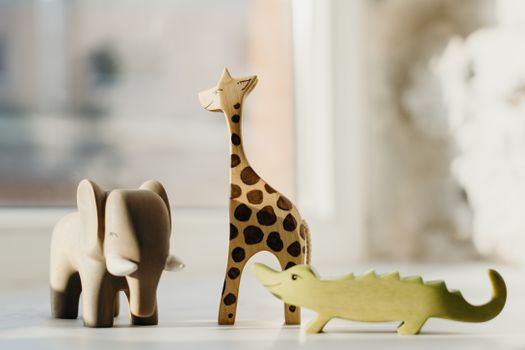
Wooden Toys: How to Make Them Safely and Ecologically
The timeless appeal of wooden toys is making a strong comeback, as more parents and crafters seek safe, eco-friendly alternatives to plastic playthings. Unlike mass-produced plastic toys, which often contain harmful chemicals and contribute to environmental pollution, handmade wooden toys offer natural beauty, durability, and a connection to sustainable living. But how can you ensure that your homemade wooden toys are both safe for children and gentle on the planet? In this comprehensive guide, we’ll explore the best practices, materials, and techniques for crafting wooden toys that are as harmless as they are delightful.
Why Wooden Toys are Experiencing a Renaissance
Wooden toys have been cherished for centuries, but their popularity dipped with the rise of cheap, colorful plastics in the 20th century. However, concerns over plastic pollution and toxic chemicals have sparked a renewed interest in wood as a toy-making material.
According to a 2022 global survey by Statista, 68% of parents expressed concern about harmful substances in plastic toys, while 54% said they were willing to pay more for eco-friendly alternatives. Wooden toys are not just safer; they also last longer. A well-crafted wooden toy can endure years of rough play and even become a family heirloom.
.png)
Additionally, wooden toys often encourage imaginative play. Unlike electronic or pre-programmed toys, simple shapes like blocks, animals, or vehicles made from wood allow children to invent their own stories, fostering creativity and cognitive development.
Choosing the Right Wood: Safe, Sustainable, and Suitable
The foundation of any safe and ecological wooden toy is, of course, the wood itself. Not all woods are created equal, and some are better suited to toy-making than others. When selecting wood, consider the following factors:
1. $1: Avoid toxic or allergenic woods. Some tropical hardwoods, like rosewood or mahogany, may cause skin irritations or allergic reactions. Safe choices include maple, beech, birch, and alder, all known for their non-toxic properties. 2. $1: Look for wood that is certified by the Forest Stewardship Council (FSC) or locally sourced from responsibly managed forests. FSC certification ensures the wood has been harvested with minimal environmental impact. 3. $1: The ideal toy-making woods are hard enough to withstand wear but not so hard they are difficult to work with. Maple and beech are popular for their fine, smooth grain and resistance to splintering.Here’s a comparative overview of commonly used woods for toy-making:
| Wood Type | Safety | Sustainability | Durability | Workability |
|---|---|---|---|---|
| Maple | Excellent (non-toxic) | FSC available | High | Moderate |
| Beech | Excellent (non-toxic) | FSC available | High | Easy |
| Pine | Good (softwood, non-toxic) | Widely available, can be sustainable | Medium | Easy |
| Birch | Excellent (non-toxic) | FSC available | Medium/High | Moderate |
Non-Toxic Finishes and Adhesives: What’s Safe for Young Children?
Finishing a wooden toy not only enhances its beauty but also protects the wood from moisture and stains. However, many commercial stains, paints, and adhesives contain volatile organic compounds (VOCs), heavy metals, or other toxic ingredients. For toys, especially those intended for infants and toddlers who may mouth or chew them, safety is paramount.
- $1: Linseed oil (from flaxseed) and tung oil are traditional choices. Choose only food-grade or raw versions, as commercial “boiled” linseed oil often contains chemical additives. Walnut oil is another safe option, though it should be avoided if nut allergies are a concern. - $1: Often blended with natural oils, beeswax provides a soft, water-repellent sheen and is entirely non-toxic. It’s an excellent finish for blocks, teethers, and rattles. - $1: Look for paints labeled as EN-71/3 compliant (the European safety standard for toys), or those certified as food-safe. Avoid lead-based or solvent-based paints at all costs. - $1: White PVA glue (like Elmer’s) is generally safe once cured and is widely used in toy making. For added assurance, some brands offer glues specifically labeled as non-toxic and suitable for children’s items.A 2020 study by the Ecology Center found that 15% of mass-produced wooden toys still contained unsafe finishes or adhesives, underscoring the importance of careful selection when crafting your own.
Essential Safety Standards and Design Considerations for Wooden Toys
Making an ecological toy is only half the battle—the toy must also be safe for children to handle, mouth, and play with. Here’s what to keep in mind:
- $1: For children under 3 years, avoid small parts that could be swallowed. The US Consumer Product Safety Commission (CPSC) recommends that any part smaller than 1.25 inches in diameter is a choking risk. - $1: Sand all edges and surfaces thoroughly to eliminate splinters. Start with coarse sandpaper (around 80 grit) and finish with fine (220 grit or higher) for a silky feel. - $1: Avoid sharp points, weak joints, or breakable thin sections. Test your toys by dropping or twisting them—if they break easily, reinforce the design. - $1: Any moving parts, like wheels on a truck, should be attached securely. If using pegs or axles, cap the ends so they cannot be removed. - $1: Toys for younger children benefit from simple designs without deep crevices, making them easy to clean and dry.Designing with these safety points in mind not only protects children but also ensures your toys will last longer and see more use.
Eco-Friendly Practices in the Workshop
Making environmentally friendly toys isn’t just about the materials—it’s also about how you work. Here are practical tips for a greener workshop:
- $1: Plan cuts to maximize the use of each wood board. Save offcuts for smaller toys or accessories. - $1: If possible, power your tools with renewable electricity. According to the U.S. Energy Information Administration, 21% of U.S. electricity came from renewables in 2023—a figure expected to rise. - $1: Sawdust and wood shavings from untreated wood can be composted or used as mulch. - $1: If you sell or gift your toys, opt for recycled or biodegradable packaging materials instead of plastics or glossy papers. - $1: Reducing transportation distances for both wood and finishes reduces your project’s carbon footprint.Each of these steps not only lessens your environmental impact but also sets a positive example for children and other makers.
Creative Ideas: Inspiring Examples of Ecological Wooden Toys
The world of wooden toys is vast and limited only by your imagination. Here are a few creative and sustainable ideas to get you started:
- $1: Made from maple or beech, finished with beeswax and oil, and designed with rounded edges for safe chewing. - $1: Simple cubes or geometric shapes inspire hours of open-ended play. You can use wood scraps to create sets with a variety of grains and natural colors. - $1: Classic ducks, turtles, or even fantasy creatures on wheels. Attach a natural cotton cord and finish with a safe water-based paint. - $1: Interlocking animal or landscape puzzles challenge young minds and can be crafted from a single plank of wood. - $1: Small chairs, tables, and beds made from offcuts, sanded smooth and left unpainted for a minimalist, natural look.In 2021, the global market for wooden toys was valued at $22.8 billion and is projected to grow at 4.5% annually through 2028. This reflects not only the enduring appeal of wooden toys but also the growing consumer demand for safe, sustainable playthings.
Final Thoughts on Making Wooden Toys Safely and Ecologically
Crafting your own wooden toys is a meaningful way to provide children with safe, beautiful, and lasting play experiences. By choosing the right woods, finishes, and construction methods, you can ensure your creations are as kind to the earth as they are to young hands and mouths. Beyond the joy of making, ecological toy-making fosters a deeper appreciation for sustainability and quality—lessons that benefit the next generation and our planet alike.