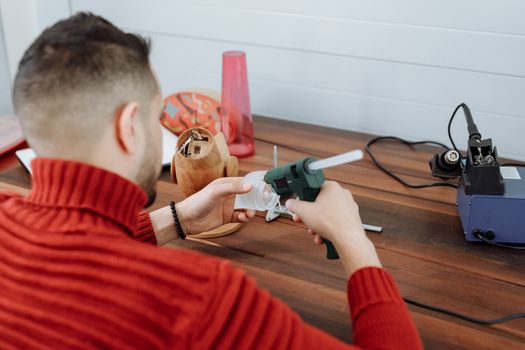
Choosing the Right Glue for Wood Projects: A Detailed Guide
Whether you're an experienced woodworker or just starting your first DIY project, selecting the right glue is essential for strong, lasting, and beautiful results. While wood glue may seem like a small detail, the choice you make can determine the difference between a project that stands the test of time and one that falls apart at the seams. With dozens of products on the market—each with unique properties, strengths, and optimal uses—navigating the world of wood adhesives can be overwhelming. This guide breaks down what you need to know, from understanding glue types and their scientific properties to choosing the best product for your specific project needs.
The Science Behind Wood Glues
To understand why glue selection matters in woodworking, it’s helpful to know a bit about how these adhesives work. Most wood glues rely on either physical bonding by soaking into the wood fibers or chemical bonding at the molecular level.
The most common wood glue—polyvinyl acetate (PVA), often referred to as “yellow glue”—works by penetrating the pores of the wood and creating a mechanical bond as it dries. Other glues, like polyurethane and epoxy, form chemical bonds that can be even stronger than the wood itself. According to a 2021 study from the Forest Products Laboratory, a well-chosen wood glue joint can be up to 50% stronger than the adjacent wood fibers.
.png)
Environmental conditions also play a role. For example, humidity and temperature impact curing times and ultimate bond strength. Some glues, like hide glue, are sensitive to moisture, while others, such as polyurethane, are water-resistant and suitable for outdoor use.
Types of Wood Glue: Pros, Cons, and Best Uses
Not all wood glues are created equal. The main types you’ll encounter each have distinct characteristics that make them ideal for certain applications and less suitable for others.
| Glue Type | Strength | Open Time | Water Resistance | Best For |
|---|---|---|---|---|
| PVA (Polyvinyl Acetate) | Strong (3,000-4,000 psi) | 5-10 min | Moderate | Furniture, cabinetry, general woodworking |
| Polyurethane | Very strong (3,500-4,500 psi) | 15-20 min | High | Outdoor projects, mixed materials |
| Epoxy | Super strong (up to 7,000 psi) | 30-60 min | Waterproof | Boatbuilding, repairs, gap-filling |
| Hide Glue | Moderate (2,000-3,000 psi) | 10-20 min | Low | Antique repair, musical instruments |
| CA (Cyanoacrylate) | Varies (up to 4,000 psi) | Seconds | Low | Quick repairs, small joints |
These numbers highlight the key differences. For example, PVA glue is a staple in most workshops—it’s easy to use, cleans with water, and works for most indoor projects. For outdoor furniture or anything exposed to moisture, polyurethane glue is often preferred due to its water resistance and expansion properties. Epoxy is the go-to for structural repairs and situations where filling gaps is necessary.
Matching Glue to Your Project: What to Consider
Selecting the right glue depends on more than just product labels. Think about these key factors before you buy:
1. Project Location: Will the finished piece be used indoors or outdoors? If outdoors, opt for water-resistant glues like polyurethane or waterproof epoxies. The American Wood Council notes that using indoor-only glues outdoors can reduce joint strength by up to 60%. 2. Type of Wood: Hardwoods and softwoods interact differently with adhesives. Dense hardwoods (like oak or maple) may require slower-setting glues to allow for adequate penetration, while softwoods (like pine) work well with faster-setting PVA. 3. Joint Type: Certain joints—such as mortise and tenon, dowels, or edge-glued panels—require glues with longer open times to allow for precise assembly. Fast-setting cyanoacrylate glues are best for small repairs or mitered corners. 4. Strength Requirements: For load-bearing components, prioritize high-strength adhesives like epoxy or polyurethane, which can withstand more stress. 5. Ease of Cleanup: PVA glues are water-based and easy to clean, while polyurethane and epoxy require solvents for cleanup. 6. Appearance: Some glues dry clear, while others (like hide glue) can leave a slightly amber tint. For visible joints, consider the final appearance.Common Mistakes to Avoid When Choosing and Using Wood Glue
Even the right glue can underperform if used incorrectly. Here are some pitfalls to watch out for:
- Ignoring Clamp Time: Most glues require clamping for a specific period—typically 30 minutes to an hour for PVA, but up to 24 hours for full strength. Removing clamps too early is a leading cause of joint failure. - Overapplying or Underapplying: Too much glue can weaken the joint and cause squeeze-out, while too little won’t bond the surfaces properly. A 2022 survey by Fine Woodworking Magazine found that 35% of failed joints were due to incorrect glue application. - Poor Surface Preparation: Ensure surfaces are clean, dry, and free of dust or oil. Sanding too smooth (beyond 180 grit) can actually reduce adhesion by closing wood pores. - Not Checking Compatibility: Some glues don’t react well with certain wood finishes or treatments. Always test on a scrap piece first. - Using Expired Glue: Most wood glues have a shelf life of 1-2 years. Old glue may not cure properly, leading to weak bonds.Advanced Glue Techniques for Specialized Woodworking
For those looking to elevate their woodworking, mastering advanced glue techniques can yield stronger, more attractive projects. Here are a few expert tips:
- Gap Filling: Epoxy is excellent for filling voids and cracks thanks to its thick consistency and high strength. Some woodworkers add wood dust to epoxy for a color-matched filler. - Laminated Bends: When making curved laminations, use glues with long open times (like plastic resin glue) to allow for precise assembly and maximum bond strength. - Veneering: Hide glue is favored for veneering because it can be reactivated with heat and moisture, allowing for adjustments and repairs. - Mixed Materials: When joining wood to metal, glass, or plastic, polyurethane or epoxy glues offer superior adhesion due to their chemical bonding properties.Real-world Example: In 2020, the restoration of a historic wooden bridge in Vermont relied on marine-grade epoxy for all structural joints. Engineers cited its superior gap-filling and water-resistant properties as critical to the bridge’s longevity.
Environmental and Health Considerations in Wood Glue Selection
With increasing awareness of environmental and health impacts, many woodworkers are seeking safer and greener adhesive options. Here’s what to know:
- VOCs (Volatile Organic Compounds): Some glues, especially solvent-based products, emit VOCs that can affect indoor air quality. The EPA recommends choosing low-VOC or no-VOC glues for indoor projects. - Biodegradability: Traditional animal-based hide glue is biodegradable, while most synthetic adhesives are not. However, newer plant-based glues are gaining popularity for their eco-friendliness. - Safety Precautions: Always work in a well-ventilated area and use gloves with strong adhesives like epoxy and polyurethane to prevent skin irritation.According to a 2023 market trends report, sales of eco-friendly wood adhesives grew by 18% in North America, reflecting growing consumer demand for safer products.
Final Thoughts: Making the Best Choice for Your Wood Project
Choosing the right glue for wood projects is about understanding your materials, your environment, and your project goals. From classic PVA glues that suit most indoor work to heavy-duty epoxies and environmentally-friendly options, the right adhesive helps your woodworking stand the test of time. Take the time to consider joint type, strength needs, and exposure to the elements, and don’t overlook the importance of proper application and curing. By matching your glue to your project, you’ll ensure results that are both durable and beautiful—whether you’re building a backyard bench or restoring a family heirloom.