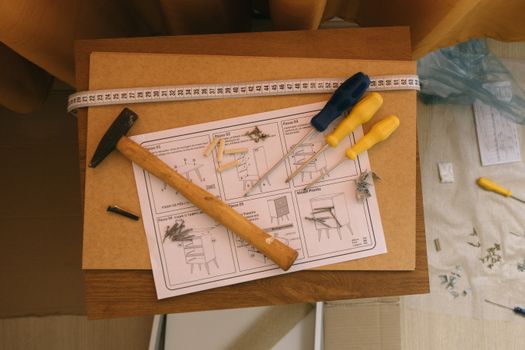
Setting up a carpentry workshop can be an overwhelming process, whether you’re a seasoned professional or a passionate hobbyist. The organization of your workspace directly impacts productivity, safety, and the quality of your finished products. An efficient workshop isn’t just about keeping things tidy; it’s about creating an environment where every tool, material, and workstation is optimized for workflow. In this article, we will explore actionable, expert-backed tips for the efficient organization of a carpentry workshop, with a focus on space management, tool storage, workflow design, safety integration, and adaptable solutions for evolving needs. Let’s turn your workshop into a powerhouse of creativity and productivity.
Maximizing Space: Smart Layouts for Carpentry Workshops
Every square foot matters in a carpentry workshop, be it a dedicated garage, a backyard shed, or a professional studio. According to a 2023 survey by Woodworking Network, over 70% of woodworkers consider space constraints their biggest challenge. Efficient organization starts with a smart layout that prioritizes accessibility and movement.
Start by mapping out your workspace. Identify fixed elements like doors, windows, and electrical outlets. Place your largest and most frequently used machines (such as table saws and workbenches) centrally. This allows for easy access from multiple directions and minimizes unnecessary movement.
.png)
A popular method is the "work triangle" approach, commonly used in kitchens. In a workshop, the three points are typically your primary workbench, table saw, and assembly area. Keeping these stations within a few steps of each other minimizes workflow interruptions.
If space is limited, consider mobile bases for heavy equipment. Rolling carts and fold-down tables can double your usable area. Vertical space is often underutilized; wall-mounted racks, pegboards, and shelves free up floor space for large projects.
Tool Storage Solutions: From Chaos to Order
A well-organized workshop means every tool has a home. According to Fine Woodworking Magazine, the average woodworker spends 12 minutes per day looking for misplaced tools—adding up to over 48 hours per year!
Tool storage should be tailored to your needs:
- $1 Ideal for hand tools, pegboards keep frequently used items visible and within arm’s reach. - $1 Use shallow drawers for measuring instruments and small parts. Deep drawers can house power tools and bulky equipment. - $1 These are perfect for chisels, screwdrivers, and other metal tools, reducing drawer clutter. - $1 Outlining tools on boards helps ensure everything is returned after use, significantly reducing lost tools.For portable tools, consider a dedicated toolbox or rolling tool chest. Label all drawers and bins. Color-coding can further speed up tool retrieval.
Below is a comparison table of common tool storage options, highlighting their advantages:
| Storage Type | Best For | Pros | Cons |
|---|---|---|---|
| Pegboard | Hand tools, small power tools | Highly visible, customizable, saves space | Limited weight capacity, can get cluttered |
| Drawer Units | Small parts, delicate tools | Protects from dust, organized, stackable | Harder to access quickly, can become messy |
| Magnetic Strip | Metal tools (chisels, screwdrivers) | Quick access, frees up drawers | Not suitable for heavy tools |
| Rolling Tool Chest | Portable tool storage | Mobile, lockable, lots of space | Expensive, requires floor space |
Streamlining Workflow: Zoning Your Workshop
Efficient workshops are designed around logical zones. By grouping tasks and tools into dedicated areas, you reduce the time spent moving between projects and improve overall productivity.
Common zones in a carpentry workshop include:
- $1 Houses saws, jigs, and measuring tools. - $1 Large, clean surface for glue-ups, clamping, and jointing. - $1 Well-ventilated area for sanding, staining, and painting. - $1 For raw materials and lumber, ideally near the entrance for easy unloading.A 2022 study by the National Institute for Occupational Safety and Health (NIOSH) reported that well-zoned workshops saw a 25% decrease in workplace accidents and a 30% increase in completed projects compared to unzoned spaces.
To create effective zones: - Use clear signage and floor markings. - Store related tools within each zone. - Keep pathways clear for easy transport of materials. - Use partitions or curtains to control dust and noise between zones.Material Storage: Keeping Lumber and Supplies in Check
Lumber, sheet goods, and consumables like glue, screws, and sandpaper can quickly overrun a workshop if not managed well. Poor storage leads to wasted materials, safety hazards, and unnecessary expenses.
Best practices for material storage include:
- $1 Save space and prevent warping. Ensure racks are anchored securely to handle heavy loads. - $1 Mobile carts make it easier to move plywood and MDF, reducing the risk of back injuries. - $1 Use transparent bins for screws, nails, and small hardware. Label everything with large, legible text. - $1 Place new materials behind older stock to ensure nothing spoils or warps at the bottom of the pile.According to the Woodworking Machinery Industry Association, average material waste due to poor storage is around 8% annually. That’s significant savings simply by improving how you store raw materials.
Safety Integration: Blending Organization with Protection
Safety should be at the core of every carpentry workshop’s organization. Well-organized workshops reduce accidents, but integrating safety into your storage and workflow design yields even greater benefits.
Key tips for integrating safety:
- $1 Keep fire extinguishers, first-aid kits, safety goggles, and ear protection in a clearly marked, accessible spot. - $1 Invest in a central dust collection system. Fine sawdust is both a health risk and a fire hazard. Even a shop vacuum with HEPA filtration improves air quality. - $1 Use cable trays, cord reels, or floor cord covers to avoid tripping hazards. - $1 Store finishes, adhesives, and solvents in ventilated, flame-resistant cabinets, away from heat sources.The Occupational Safety and Health Administration (OSHA) states that organized shops experience 50% fewer injuries than cluttered, disorganized ones. Regular safety audits—monthly or quarterly—help ensure compliance and spot problem areas early.
Flexible Solutions: Adapting Your Workshop Over Time
No workshop remains static. As your skills grow and your projects change, your organizational needs will evolve. Planning for flexibility from the start saves time, money, and frustration down the road.
How to future-proof your workshop organization:
- $1 Use shelving and storage units that can be reconfigured or expanded. - $1 Equip benches and tool stands with locking casters so you can rearrange the space for different projects. - $1 Install more outlets than you currently need, with surge protection and easy access. - $1 Use LED lights with adjustable arms or tracks to ensure bright, shadow-free work surfaces.A 2021 poll from Popular Woodworking found that 62% of respondents regretted not planning for future equipment and material needs. By staying adaptable, your workshop will serve you well for years to come.
Final Thoughts on Efficient Carpentry Workshop Organization
An efficiently organized carpentry workshop is more than just a tidy space—it’s a catalyst for creativity, safety, and productivity. From smart layouts and tailored tool storage to workflow zoning, material management, safety integration, and adaptable solutions, each element plays a vital role in transforming your workshop into a high-functioning hub. With strategic planning and ongoing adjustments, you’ll spend less time searching for tools and materials and more time bringing your woodworking visions to life.