Wood in Interior Design: Enhancing Aesthetics and Functionality
Wood has been a cornerstone of interior design for centuries, offering not only durability and resilience but also a warm, inviting presence in any space. Its ability to adapt to various decor styles and settings makes wood a perennial favorite among designers and homeowners alike. This article delves into the numerous ways wood can be utilized in interior design to both elevate aesthetics and increase functionality.
- Versatility of Wood
Wood's adaptability allows it to be seamlessly integrated into every aspect of a room's design, from structural elements to decorative details. It can be shaped, stained, and finished to fit any design aesthetic, providing endless possibilities for customization.
.png)
- Wood Flooring
Wooden floors are cherished for their beauty and lasting value. They come in a variety of species, each with unique strengths and appearances. Hardwoods like oak, maple, and walnut are favored for their robustness and longevity, making them suitable for high-traffic areas. Softwoods, such as pine or cedar, offer a softer aesthetic with a more casual feel, though they may require more maintenance. Wood flooring can also be finished in numerous hues and textures to match any room's color palette or style theme.
- Wall Paneling
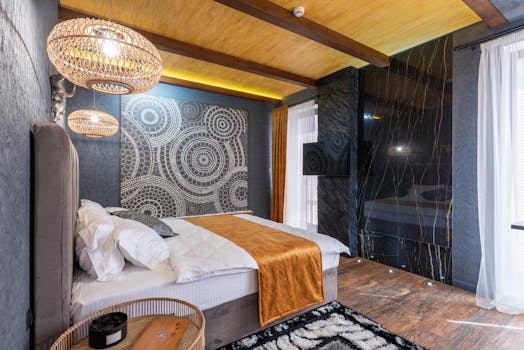
Incorporating wood into wall paneling can dramatically transform a space. Wood panels can range from sleek and modern to traditional and ornate, influencing the room’s overall atmosphere. For instance, sleek, minimalist panels in a light oak can enhance a modern living space, while dark, rich walnut panels can add sophistication to a formal dining room. Additionally, using reclaimed wood for paneling can inject a rustic charm and texture, perfect for those looking to create an eco-friendly, vintage look.
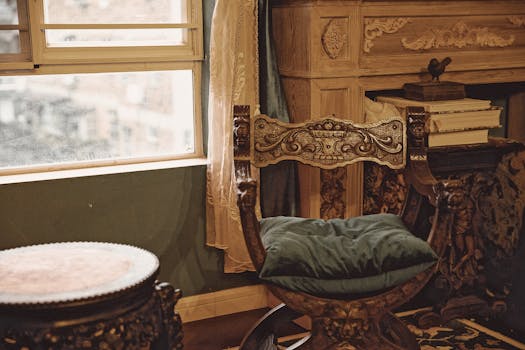
Wooden furniture is renowned for its strength and longevity. Depending on the type of wood and the craftsmanship, it can range from heavy, intricate traditional pieces to simple, streamlined contemporary designs. Woods like mahogany and cherry are prized for their deep colors and durability, often used in statement pieces that can withstand the test of time.
- Decorative Accents
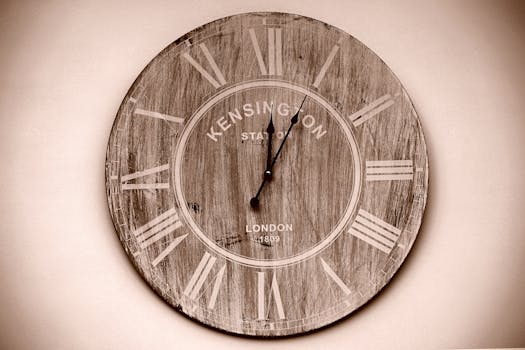
Small wooden details can make a big impact. Decorative accents like carved wooden bowls, sculptural pieces, or designer wooden light fixtures can serve as focal points or complement the broader design scheme. Wood can also be used innovatively in functional items like curtain rods or custom shelving, blending utility with aesthetic appeal.
With growing environmental awareness, the sustainability of wood as a material is more important than ever. Opting for wood from responsibly managed forests ensures that your design choices are environmentally conscious. Certifications like those from the Forest Stewardship Council (FSC) can guide consumers towards making responsible choices that help preserve natural resources.
- Maintenance
Maintaining wood in interior design is crucial for preserving its beauty and structural integrity. Regular cleaning, avoiding prolonged exposure to moisture, and treating with appropriate oils or finishes can help keep wooden elements in prime condition.
Conclusion
Wood's natural allure and functional versatility make it an exceptional choice for interior design. It can introduce warmth, character, and a timeless elegance to any space, adapting effortlessly to any styling preferences. By making thoughtful choices about the type of wood and its sourcing, and by caring for it properly, wood can offer both beauty and durability, making it a wise investment for any interior design project.