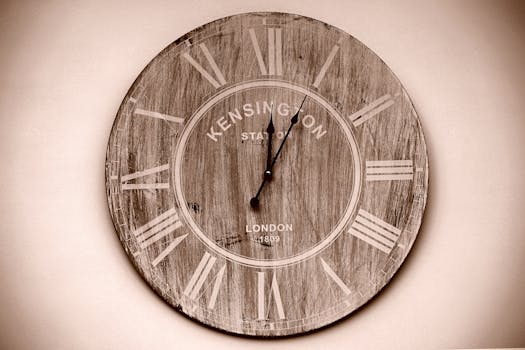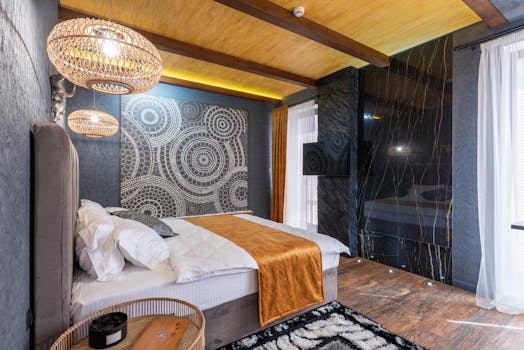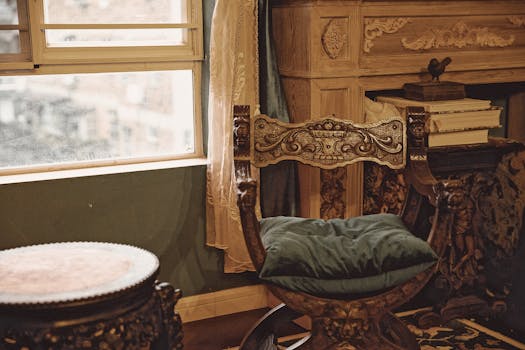
Wood has been a cornerstone in interior design for generations, not only due to its robustness and practicality but also because of its inherent warmth and elegance. Its adaptability allows for its use in a variety of applications, from foundational elements like beams and flooring to ornamental features such as furniture and wall paneling. This article delves into the pivotal role wood plays in interior design, highlighting its advantages and exploring ways to integrate it into contemporary living environments.
Timeless Material with Versatile Appeal
Wood is renowned for its enduring appeal, seamlessly fitting into any design aesthetic from rustic to modern. The natural textures and hues of wood lend a distinctive warmth and richness that synthetic materials struggle to imitate. Each wooden element introduces a unique character to a space, ensuring no two designs are exactly alike.
.png)
Sustainability and Environmental Impact
In our environmentally conscious era, wood stands out as a sustainable option for interior design. Responsibly sourced wood is a renewable commodity that generally has a smaller environmental footprint compared to energy-intensive materials like plastics and metals. Many designers now opt for reclaimed or sustainably harvested wood, aiming to reduce environmental impact.
Psychological and Health Benefits
Using wood in interior settings offers more than visual appeal; it also contributes to mental and physical well-being. Research indicates that exposure to natural elements such as wood can lower stress levels, enhance mood, and even reduce blood pressure and heart rates. Additionally, wood helps maintain indoor air quality by regulating humidity, fostering a healthier living environment.
Wood in Various Design Styles
Wood's versatility makes it suitable for a wide range of design styles. In Scandinavian decor, light, natural wood creates a clean, minimalistic aesthetic. Darker woods with prominent grains are favored in traditional or rustic interiors. For modern or industrial themes, wood works well with metals and concrete, striking a balance between warmth and sleekness.
Innovative Uses of Wood in Modern Interiors
Technological advances have expanded the ways wood can be utilized in interior design. Engineered wood products like plywood and fiberboard are cost-effective and resistant to warping and shrinking, making them ideal for applications where solid wood may not be practical, such as in cabinetry and flooring.
Maintenance and Longevity
Although wood is inherently durable, its longevity in an interior environment requires proper upkeep. Routine cleaning and application of suitable oils or finishes can help safeguard wood from damage and deterioration. Additionally, the choice of wood type should align with its intended use; for instance, hardwoods like oak and maple are preferable in high-traffic areas due to their resistance to scratches and dents.
Customization and Craftsmanship
Wood's potential for customization is one of its most significant benefits in interior design. It can be shaped, carved, stained, painted, and finished in various ways to fulfill specific design requirements. This level of personalization and craftsmanship can distinguish a space, making it truly unique.
Conclusion
Wood's role in interior design is comprehensive and transcends aesthetic contributions. Its sustainability, health benefits, and adaptability make it a prime choice for any interior design endeavor. Whether employed in structural roles or as decorative accents, wood enhances both the functionality and beauty of a space, underscoring its lasting importance in design. As the demand for sustainable and health-conscious design solutions grows, wood is poised to remain a vital material in the realm of interior design.