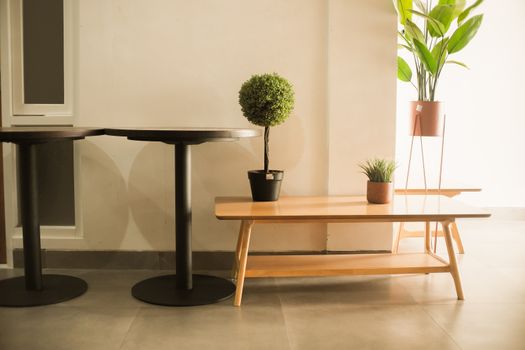
Wooden furniture has graced homes around the world for centuries, and its enduring popularity is no accident. From stately oak dining tables to sleek, Scandinavian-inspired birch chairs, wooden furniture brings a unique blend of beauty, durability, and warmth to any interior. In today’s era of fast furniture and synthetic materials, investing in wooden pieces stands out as a choice rooted in quality, sustainability, and timeless style. This article explores the many benefits of wooden furniture in a home, supported by facts, comparisons, and insights that will help you appreciate why wood remains a top choice for homeowners and designers alike.
The Timeless Appeal of Wooden Furniture
Wooden furniture has a remarkable ability to transcend trends and remain stylish for generations. Whether your home leans toward rustic farmhouse, mid-century modern, or minimalist chic, wood adapts seamlessly. According to a 2023 report by the American Home Furnishings Alliance, over 68% of surveyed consumers cited “timeless aesthetic” as a key reason for choosing wooden furniture over alternatives.
The grain patterns, natural color variations, and rich textures inherent in wood create pieces that are each as unique as the tree they came from. Unlike plastic or metal, wood develops a patina over time that only enhances its character. Antique wooden armoires or hand-me-down oak chairs often become treasured family heirlooms, a testament to both their style and sentimental value.
.png)
Durability and Longevity: An Investment that Lasts
One of the primary advantages of wooden furniture is its exceptional durability. Solid wood, especially hardwoods like oak, maple, and walnut, can withstand decades of use with minimal degradation. When properly cared for, a hardwood dining table can last over 100 years—far outpacing the 5-10 year average lifespan of many mass-produced particleboard or laminate pieces.
This longevity translates to real cost savings. A 2022 study by the Furniture Industry Research Association found that households replacing cheap furniture every 8 years spent 2.5 times more over 25 years than those who invested in quality wood pieces from the outset. Furthermore, wood’s robustness means it can be refinished, repaired, or even redesigned—extending its useful life and reducing waste.
| Material | Average Lifespan | Maintenance Required | Refinishing Potential |
|---|---|---|---|
| Solid Wood | 50-100+ years | Low to Moderate | High |
| Veneer/Particleboard | 5-10 years | Low | Very Low |
| Metal | 20-30 years | Low | Moderate |
| Plastic | 3-7 years | Very Low | None |
Sustainability and Eco-Friendly Living
Sustainability is at the forefront of many purchasing decisions today, and wooden furniture excels in this area when sourced responsibly. Many manufacturers use wood from certified sustainable forests, such as those accredited by the Forest Stewardship Council (FSC). This ensures that for every tree harvested, another is planted, maintaining ecological balance and supporting forest health.
Wood is a renewable resource, and its production generally has a much lower carbon footprint than plastic or metal furniture. The Environmental Protection Agency (EPA) highlights that wood products act as carbon sinks, storing carbon dioxide absorbed during the tree’s growth and helping to offset emissions. Additionally, when wooden furniture does reach the end of its life, it’s biodegradable or can be recycled, unlike most synthetic materials.
Opting for reclaimed wood furniture goes a step further, breathing new life into timber salvaged from old barns, warehouses, or even retired ships. This not only reduces demand for new raw materials but also preserves a piece of history in your home.
Health and Indoor Air Quality Benefits
Wooden furniture contributes positively to the health of your home environment in several ways. Unlike many manufactured alternatives, solid wood emits very low levels of volatile organic compounds (VOCs), which are chemicals that can affect indoor air quality and irritate the respiratory system. The U.S. Consumer Product Safety Commission warns that formaldehyde emissions from particleboard and MDF can linger for years, whereas solid wood contains little to none.
Moreover, wood has been shown to have psychological benefits. A study from the University of British Columbia found that exposure to natural wood surfaces in interiors can reduce stress and create a sense of well-being, similar to the effect of being in nature. This biophilic effect means wooden furniture is not just a design choice—it’s a contributor to a healthier, happier home.
Versatility: Styles, Finishes, and Customization
Few materials offer the flexibility of wood when it comes to customization and adaptability. Wooden furniture can be crafted in an endless variety of styles, from ornate Victorian headboards to sleek, modern coffee tables. Stains, oils, paints, and finishes allow for a spectrum of colors and sheens, making it easy to match your décor or reinvent a piece as tastes change.
For those seeking something truly unique, wood is the preferred material for custom or bespoke furniture. Local artisans and furniture makers can tailor pieces to exact specifications—whether it’s a bookcase for an awkward nook or a dining bench with built-in storage. This level of personalization is rarely possible with mass-produced options.
Another advantage is repairability. Minor scratches can often be sanded and refinished, while joints and hardware can be replaced or tightened. This adaptability means wooden furniture can evolve and improve with age, rather than being discarded at the first sign of wear.
Adding Value and Warmth to Your Home
Wooden furniture is widely recognized for its ability to add tangible and intangible value to a home. Real estate professionals often note that homes featuring high-quality wood furniture or built-ins tend to attract more buyers and command higher resale prices. In a 2021 survey by the National Association of Realtors, 54% of respondents said that wooden features (like cabinetry and hardwood furniture) made a property feel more “premium” and inviting.
Beyond monetary value, wood brings a sense of warmth and comfort that’s hard to replicate. The tactile feel, organic patterns, and even the scent of certain woods contribute to a cozy, grounded atmosphere. Whether it’s a maple rocking chair in a nursery or a walnut sideboard in the dining room, these pieces invite use and create a sense of home.
Final Reflections: Why Wooden Furniture Stands the Test of Time
Choosing wooden furniture is an investment in quality, sustainability, and enduring style. Its natural beauty, unmatched durability, and positive impact on well-being make it an exceptional choice for any home. Whether you favor contemporary or classic design, wood offers the adaptability and warmth to suit every taste and lifestyle. As trends come and go, wooden furniture remains a steadfast symbol of craftsmanship and comfort, elevating homes for generations to come.