Wood has been a fundamental element in interior design for centuries, transcending trends and geographical boundaries to remain a favorite among designers and homeowners alike. Its unique blend of natural beauty, versatility, and enduring strength has helped shape interiors that are both functional and aesthetically pleasing. As modern living spaces evolve, the role of wood in interior design continues to diversify—contributing not only to visual appeal but also to the health, sustainability, and comfort of our environments. In this article, we’ll explore the multifaceted role of wood in interior design, from its psychological impact to the latest design trends, and examine how this timeless material enhances our interiors in ways that go beyond the surface.
The Psychological Impact of Wood in Living Spaces
Wood is more than just a construction or decorative material—it has a profound psychological effect on those who interact with it daily. Numerous studies have confirmed that natural materials, and wood in particular, contribute positively to emotional well-being. According to a study published by the University of British Columbia and FPInnovations, the presence of wood in indoor environments can lower stress responses in occupants. The study found that participants exposed to wood interiors had reduced activity in their sympathetic nervous system, which is responsible for stress reactions.
The warm tones and organic patterns of wood create a sense of tranquility and comfort, making spaces feel more welcoming. This biophilic connection—our innate tendency to seek connections with nature—explains why wooden elements are often used in bedrooms, living rooms, and wellness spaces. In office environments, wood has been shown to boost productivity and employee satisfaction. In fact, a 2015 survey by Forest & Wood Products Australia reported that employees working in environments with natural wood reported a 13% higher sense of well-being and were 8% more productive than those in spaces without wood.
.png)
Versatility: How Wood Adapts to Any Interior Design Style
One of the most remarkable characteristics of wood is its versatility. Whether the design aesthetic is rustic farmhouse, sleek Scandinavian, mid-century modern, or cutting-edge contemporary, there’s a wood type, finish, and application to suit every taste.
For example, oak and walnut are favored in traditional and classic interiors for their rich grains and deep hues, while pale woods like ash and birch are staples of Scandinavian minimalism. Exotic species like zebrawood or teak can create striking focal points in luxury or eclectic spaces.
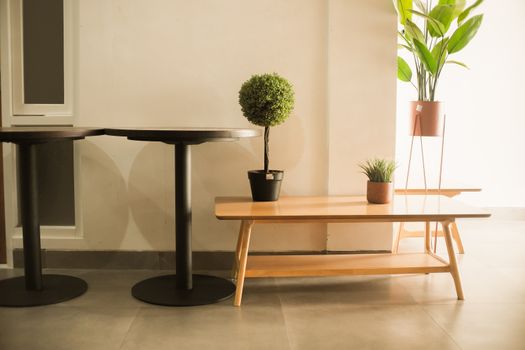
Wood can be used for large structural elements—beams, floors, and walls—or in subtle accents like furniture, cabinetry, and decorative panels. The ability to stain, paint, or leave wood natural further expands its possibilities. Wood’s tactile quality also adds another layer to interior design, inviting touch and interaction in a way that synthetic materials seldom match.
Wood and Sustainability: A Natural Choice for Eco-Conscious Design
As environmental awareness grows, the demand for sustainable interior design materials has risen sharply. Wood stands out as a renewable, biodegradable, and energy-efficient resource—provided it’s sourced responsibly. According to the Food and Agriculture Organization (FAO), the global forest area certified under sustainable management reached nearly 530 million hectares in 2021.
The use of certified woods (such as those recognized by the Forest Stewardship Council, or FSC) ensures that forests are managed with consideration for environmental, social, and economic factors. Additionally, wood’s carbon-sequestering properties make it a climate-friendly option. Each cubic meter of wood can store approximately 0.9 tonnes of CO2, helping to offset greenhouse gas emissions.
Reclaimed wood, salvaged from old structures or industrial sources, is another popular sustainable choice. It reduces the demand for new lumber and gives new life to materials that might otherwise be discarded. Designers and homeowners are increasingly opting for recycled wood for flooring, wall cladding, and bespoke furniture, not only for its eco-credentials but also for its one-of-a-kind character.
Innovative Applications: How Wood is Shaping Modern Interiors
The role of wood in interior design is no longer limited to the expected. Advances in technology and fabrication have expanded the ways designers use wood, resulting in innovative applications that push creative boundaries.
Engineered woods such as plywood, MDF, and cross-laminated timber (CLT) offer enhanced stability, flexibility, and sustainability compared to traditional lumber. These materials can be molded into curved surfaces, intricate screens, and lightweight partitions—features once thought impossible with solid wood.
Wood is also being integrated with other materials (glass, metal, stone) to create dynamic contrasts. For example, combining wood with blackened steel in kitchen cabinetry or pairing wooden ceiling beams with exposed concrete walls creates a compelling interplay of textures and temperatures.
Acoustic wood panels are another modern innovation, offering both aesthetic value and sound-absorbing function. These panels are increasingly found in home theaters, offices, and open-plan living spaces to reduce noise and echo while adding warmth and sophistication.
Comparing Wood to Other Interior Materials
When choosing materials for interior spaces, wood is often compared to alternatives like metal, plastic, and stone. Each material has its own strengths and ideal applications, but wood’s unique combination of benefits often gives it the edge in residential and hospitality design.
| Material | Durability | Eco-Friendliness | Aesthetic Versatility | Tactile Warmth | Common Uses |
|---|---|---|---|---|---|
| Wood | High (with proper care) | High (if sustainably sourced) | Very High | Yes | Floors, furniture, walls, ceilings |
| Metal | Very High | Moderate (recyclable) | Moderate | No | Fixtures, frames, accents |
| Stone | Very High | Moderate (extraction impact) | Low to Moderate | No | Countertops, floors, walls |
| Plastic | Moderate | Low | High (synthetic options) | No | Furniture, decor, wall panels |
As the table illustrates, wood stands out for its warmth, eco-friendliness, and adaptability. While metal and stone offer greater durability in some cases, they lack the inviting feel and sustainable appeal of wood. Plastics offer design flexibility but fall short in environmental impact and tactile experience.
Wood’s Role in Enhancing Indoor Air Quality and Comfort
Beyond its aesthetic and emotional appeal, wood contributes to healthier indoor environments. Unlike many synthetic materials, wood does not emit volatile organic compounds (VOCs) at high levels, especially when finished with low-emission products. According to a 2020 report by the World Health Organization, indoor air pollution is a major health risk, and selecting low-emitting materials like natural wood can help mitigate this risk.
In addition, wood has hygroscopic properties—it can naturally absorb and release moisture, helping to regulate indoor humidity. This contributes to a more comfortable and stable indoor climate, reducing the risk of respiratory issues and static electricity common in overly dry environments.
Wood surfaces can also feel warmer to the touch than materials like stone or tile, which enhances comfort underfoot and creates inviting spaces for relaxation and gathering.
Wood as an Expression of Personality and Storytelling
Perhaps more than any other material, wood has the power to tell a story. The knots, grains, and color variations in each piece reflect its unique history—whether it’s a centuries-old beam reclaimed from a barn or a sleek, contemporary table crafted from a single tree. Designers and homeowners increasingly value these stories, using wood to personalize spaces and create lasting emotional connections.
Custom woodwork, such as built-in shelving, fireplace mantels, or statement staircases, allows for individuality and craftsmanship to shine. The selection of wood species, finishes, and detailing can be tailored to reflect personal style, cultural heritage, or even a specific narrative. In this way, wood becomes more than a background material—it becomes a focal point and a reflection of the people who inhabit the space.
Final Thoughts: The Enduring Allure of Wood in Interior Design
Wood’s timeless appeal in interior design lies in its harmonious balance of beauty, functionality, and sustainability. From soothing psychological effects to its ability to adapt to any style or era, wood remains unmatched in its versatility and emotional resonance. As technology and environmental awareness continue to shape our built environments, the role of wood will only grow—offering new opportunities for creativity, comfort, and conscious living. Whether used boldly or subtly, in grand gestures or quiet details, wood brings life and character to interiors in ways few other materials can.