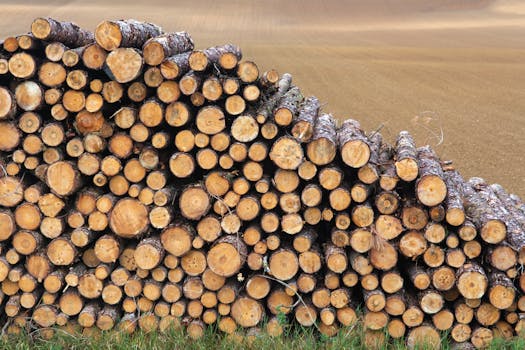
Using wood in construction not only leverages its timeless aesthetic appeal but also provides substantial environmental advantages, making it a standout choice in the realm of sustainable building materials. As we delve deeper into the eco-friendly benefits of wood, it becomes clear that this natural resource could play a crucial role in shaping a more sustainable and environmentally conscious construction industry.
Renewable Resource
Wood's status as a renewable resource is perhaps its most significant environmental benefit. Unlike concrete or steel, wood can be replenished through the natural process of tree growth. This cycle of harvesting and replanting ensures a continuous supply without depleting the Earth's resources, provided that the forests are managed sustainably. Through photosynthesis, trees absorb carbon dioxide, a principal greenhouse gas, and store it within their wood, a process known as carbon sequestration. This stored carbon remains locked within the wood for the duration of its use in structures, contributing to a reduction in the atmospheric carbon dioxide levels.
.png)
Lower Energy Consumption and Carbon Emissions
The production of wood products typically consumes less energy compared to that required for manufacturing steel or concrete. This lower energy demand results in reduced carbon emissions, positioning wood as a more sustainable choice in building materials. The environmental impact of transportation is also minimized with wood, as it is often lighter than alternative building materials, leading to lower fuel consumption and further reducing its carbon footprint.
Enhanced Energy Efficiency in Buildings
Wood’s natural insulating properties enhance the energy efficiency of buildings. Structures made of wood tend to require less energy for heating and cooling, leading to lower utility costs and a smaller environmental impact. This thermal efficiency not only benefits the building occupants but also contributes to broader efforts aimed at reducing energy consumption and mitigating climate change.
Versatility and Waste Reduction
The versatility of wood is evident in its various applications in construction—from structural elements to aesthetic details. This adaptability reduces the need to use multiple different materials, each with its own production and waste management challenges. Moreover, wood waste can be minimized through precise cutting techniques and repurposed into other products, promoting a more efficient use of resources.
Sustainable End-of-Life Options
At the end of its life, wood offers environmentally friendly disposal options. It can be recycled, repurposed, or used as biomass energy. These sustainable end-of-life pathways contribute to the circular economy, reducing waste and the demand for new raw materials.
Promotion of Sustainable Forestry
The use of wood from sustainably managed forests supports vital ecological functions and promotes biodiversity. Sustainable forestry practices ensure that forest habitats are preserved, soil erosion is controlled, and water sources are protected. By choosing wood certified by organizations like the Forest Stewardship Council (FSC), consumers and builders can contribute directly to the health and longevity of forest ecosystems.
Conclusion
Wood stands out as a superior choice for sustainable construction due to its environmental benefits, which include renewable sourcing, carbon sequestration, energy efficiency, and support for sustainable forestry. As the construction industry continues to evolve towards more ecologically responsible practices, wood is likely to play an increasingly important role in creating greener buildings and communities. By prioritizing wood in construction projects, we can take significant steps towards a more sustainable future.