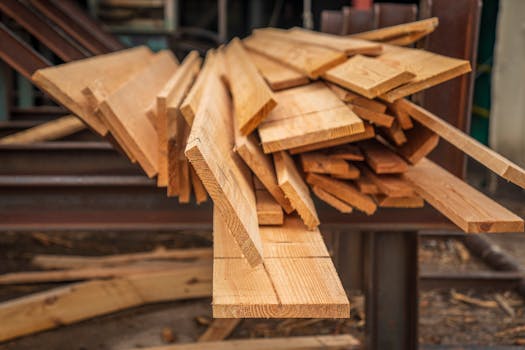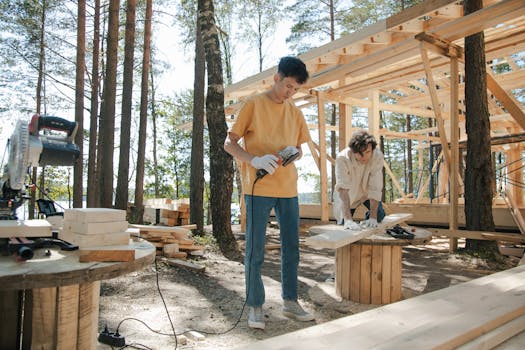
Selecting the right lumber is the foundation of every successful woodworking project. Whether you're building a rustic dining table, crafting detailed cabinetry, or constructing a garden shed, the quality of wood you choose directly affects the longevity, appearance, and structural integrity of your work. For both hobbyists and professionals, understanding how to identify and select high-quality lumber is a crucial skill. This comprehensive guide will walk you through key considerations, types of lumber, grading systems, and tips to ensure your next project stands the test of time.
Understanding Lumber Types: Hardwood vs. Softwood
One of the first decisions you’ll encounter is choosing between hardwood and softwood. Despite the names, these categories don’t refer to how hard or soft the wood is, but rather the species and their botanical characteristics.
Hardwoods come from deciduous trees like oak, maple, and cherry. They are often denser, more durable, and prized for their beautiful grain patterns and strength. Common uses include flooring, furniture, and cabinetry. Softwoods, on the other hand, are sourced from coniferous trees such as pine, spruce, and cedar. These woods tend to be lighter, easier to work with, and are typically used for framing, paneling, and general construction.
.png)
To give a clearer picture, here's a comparative overview of selected hardwoods and softwoods:
| Wood Type | Density (lb/ft³) | Common Uses | Average Cost (per board foot) |
|---|---|---|---|
| Oak (Hardwood) | 47 | Flooring, furniture, cabinetry | $6–$8 |
| Maple (Hardwood) | 44 | Furniture, butcher blocks, instruments | $7–$10 |
| Pine (Softwood) | 22–35 | Framing, shelving, trim | $2–$3 |
| Cedar (Softwood) | 23 | Outdoor furniture, fencing, siding | $4–$6 |
Choosing between hardwood and softwood depends on your project’s demands for durability, aesthetics, and budget. For example, maple is ideal for a butcher block countertop due to its hardness, while pine is perfect for shelving where cost and ease of use are priorities.
Deciphering Lumber Grading Systems
Lumber grading is a systematic way to categorize wood based on its quality, appearance, and structural properties. In the United States, hardwoods and softwoods have distinct grading systems.
Hardwood grading, standardized by the National Hardwood Lumber Association (NHLA), ranges from FAS (First and Seconds) to No. 1 Common and No. 2 Common. FAS is the highest grade, allowing minimal defects and yielding the most usable wood. For example, FAS lumber typically allows for 83% clear face, ideal for fine furniture and cabinetry.
Softwood grading is overseen by organizations like the Western Wood Products Association (WWPA) and often uses terms such as Select, No. 1, No. 2, and No. 3. Select is nearly blemish-free, while No. 2 and No. 3 may include knots and other imperfections, making them suitable for structural use where appearance is less critical.
Grading also influences cost. According to the U.S. Forest Service, FAS hardwood can cost up to 50% more than No. 2 Common, but the increased yield of usable wood often justifies the price for high-end projects.
Assessing Lumber Quality: Visual and Physical Checks
Beyond grades, hands-on inspection is essential to identify high-quality lumber. Here are several factors to evaluate:
1. Straightness: Sight down the length of the board to check for warping, bowing, or twisting. Even a slight curve can complicate assembly and reduce structural integrity. 2. Knots: While some knots add character, those that are loose, large, or near the edge can weaken the wood. In softwoods, "sound tight knots" are acceptable, but avoid those that are cracked or fall out easily. 3. Moisture Content: Wood should be properly dried to minimize future movement. Kiln-dried lumber typically has a moisture content of 6-8%, while air-dried wood is often higher. A moisture meter, which costs around $25-$50, is a wise investment for serious woodworkers. 4. Surface Quality: Look for clean, even surfaces without splits, checks, or stains. Defects may indicate poor storage or handling, which can lead to issues during finishing.For example, a 2019 study by the Forest Products Laboratory found that furniture made from lumber with moisture content above 12% was twice as likely to develop cracks or warping after six months compared to properly dried boards.
Choosing the Right Lumber for Your Project
The ideal lumber for your project depends on its purpose, location, and expected wear.
- Structural Projects (Framing, Decks): Strength takes priority. Opt for construction-grade softwoods like Douglas fir or Southern yellow pine, both known for their load-bearing capabilities. Pressure-treated lumber is essential for outdoor or ground-contact applications, as it resists decay and insect damage. - Fine Furniture and Cabinetry: Hardwoods such as cherry, walnut, and maple excel here. Their density and attractive grain patterns elevate the finished product. For visible surfaces, select FAS or Select grades. - Outdoor Projects: Cedar and redwood are naturally resistant to moisture and pests, making them perfect for garden beds, fences, and patio furniture. For added longevity, choose boards with fewer knots and straight grain. - Flooring: Hardwoods like oak and hickory are preferred due to their durability, with oak accounting for over 55% of hardwood flooring sold in the U.S.Consider the environment your project will live in. For example, if building in a humid region, choosing dimensionally stable woods like mahogany can prevent swelling and shrinking.
Lumber Sizing, Milling, and Sourcing
Lumber comes in various sizes and milling options. Understanding these can prevent costly mistakes and waste.
- Nominal vs. Actual Sizes: Lumber is sold by nominal sizes (e.g., 2x4), but the actual dimensions are typically smaller due to planing. A "2x4" actually measures 1.5" x 3.5". Always confirm actual sizes before starting a project. - Milling: Lumber can be rough-sawn or surfaced (S2S, S4S). S4S (surfaced four sides) is ready to use but may cost more. Rough-sawn gives you more flexibility for custom thicknesses but requires additional milling. - Sourcing: Big box stores offer convenience but limited selection, often in construction-grade softwoods. For higher quality or specialty lumber, visit a local lumberyard or specialty supplier. According to the National Association of Home Builders, specialty lumberyards supply over 60% of hardwoods used in custom cabinetry.When sourcing exotic species, ensure your supplier adheres to sustainability standards. Look for certifications like FSC (Forest Stewardship Council), which ensures responsible forestry practices.
Budgeting and Making the Most of Your Lumber
High-quality lumber can be an investment. Here are some tips to maximize value:
- Plan Your Cuts: Use cut lists and diagrams to minimize waste, especially when working with expensive hardwoods. A 2022 survey found that careful planning can reduce scrap by up to 20%. - Buy Extra: Order 10-15% more lumber than your calculated needs. This accounts for defects, mistakes, and grain matching for visible surfaces. - Consider Alternatives: Engineered woods such as plywood and MDF can be used for hidden structural elements, saving solid lumber for visible or load-bearing components. - Reclaim and Reuse: Reclaimed wood is not only environmentally friendly but often boasts unique character. Ensure it’s free from nails, rot, or pests before use.Balancing your budget without sacrificing quality often means mixing and matching materials intelligently.
Conclusion: Building Success Through Smart Lumber Selection
Selecting high-quality lumber requires both knowledge and careful observation. By understanding wood types, grades, and how to assess boards in person, you lay the groundwork for projects that are beautiful, durable, and rewarding. Whether you’re crafting a family heirloom or building a backyard deck, the right lumber is the key to lasting success. Invest the time upfront to research, inspect, and source your materials—your craftsmanship will thank you for years to come.