Essential Skills Every Carpenter Should Master
Carpentry is a skilled trade combining creativity, precision, and an extensive knowledge of materials and tools. Whether you're just starting out or are an experienced carpenter looking to enhance your skills, mastering certain core abilities is crucial. This article explores the key skills every carpenter should develop to ensure success in this field.
Understanding Woodworking Tools and Equipment
.png)
Proficiency with a variety of tools is fundamental in carpentry. Carpenters must be familiar with basic hand tools like hammers, saws, and chisels, as well as advanced power tools including circular saws, routers, and planers. Proper and safe tool usage not only enhances work quality but also ensures safety on the job.
Knowledge of Materials
A skilled carpenter must thoroughly understand different types of wood and other materials they might work with. This knowledge includes the characteristics of various woods—such as hardness, grain patterns, and moisture content—and how these factors influence the wood's working properties. Selecting the right materials for specific projects is vital for ensuring durability and functionality.
Precision in Measuring and Cutting
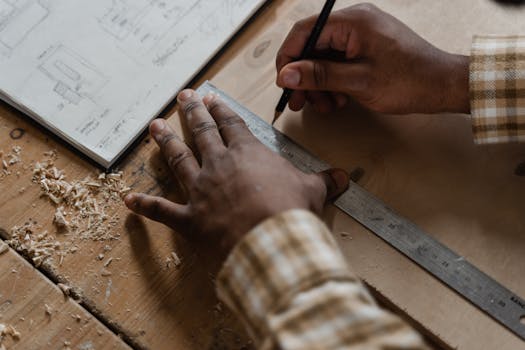
Accuracy is crucial in carpentry. Precise measuring and cutting ensure that pieces fit perfectly together, minimizing material wastage and ensuring that the finished product is aesthetically pleasing and structurally sound. Carpenters must master the use of measuring tapes, squares, and calipers, and be able to accurately read and interpret blueprints and drawings.
Joinery, the art of connecting pieces of wood, is a core carpentry skill. Mastering various joinery techniques, such as dovetails, mortise-and-tenon, and biscuit joints, enhances the strength, durability, and beauty of projects. Each type of joint is suitable for different projects and purposes.
Problem-Solving Skills
Carpentry often presents unexpected challenges, from unpredictable material behavior to tool malfunctions or design flaws emerging during construction. Effective problem-solving skills enable carpenters to adapt and find creative solutions, significantly impacting project efficiency and outcomes.
Attention to Detail
Carpentry demands meticulous attention to detail—from the fit and finish of joints to the choice of hardware and finishes. A keen eye for detail ensures that the final product is not only functional but also visually appealing, distinguishing good carpentry from great.
Communication and Interpersonal Skills
Though often perceived as a solitary trade, effective communication is essential, especially when working on larger projects or as part of a team. Good communication skills help ensure that project requirements are met and any issues are resolved swiftly, enhancing teamwork and project success.
Continuous Learning and Adaptation
The field of carpentry is constantly evolving with new techniques, tools, and materials. Staying relevant and competitive requires a commitment to continuous learning and adaptation. This can involve formal education, on-the-job training, or self-directed study.
Conclusion
Carpentry is a complex and rewarding trade that requires a diverse set of skills. By mastering these essential skills, carpenters can improve their craftsmanship, work more efficiently, and achieve greater success in their projects. Whether starting out or refining existing skills, focusing on these areas will help build a solid foundation in the art of carpentry.