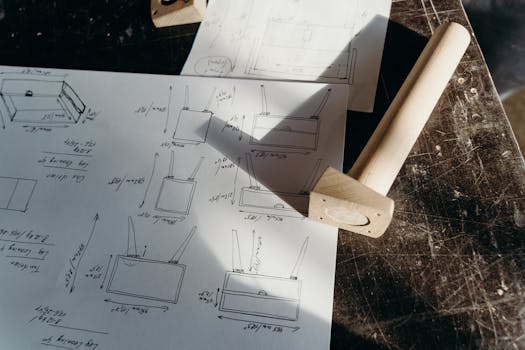
Wood joinery is the art and science of connecting pieces of wood together to create everything from furniture to architectural frameworks. While it may seem like a technical subject reserved for seasoned carpenters, understanding the basics of wood joinery is essential for anyone interested in woodworking—whether you’re a curious beginner or a DIY enthusiast. With a history stretching back thousands of years and techniques that have evolved alongside human civilization, wood joinery is foundational to both traditional and modern construction.
In this article, we’ll uncover the fundamentals of wood joinery, explore popular types of joints, discuss their strengths and weaknesses, look at common uses, and offer practical tips for getting started. By the end, you’ll have a solid grasp of why joinery matters and how choosing the right joint can make or break your project.
The Historical Roots and Importance of Wood Joinery
Wood joinery is not just a set of techniques—it’s a testament to human ingenuity and adaptability. Evidence of sophisticated wood joints has been discovered in Egyptian tombs dating back over 4,000 years, where mortise and tenon joints held together chests, boats, and furniture. In Japan, temple builders developed intricate joinery methods that required no nails or glue, allowing structures to withstand earthquakes and last centuries.
.png)
Today, joinery remains crucial in both functional and decorative woodworking. The way two pieces of wood are joined affects the structure’s durability, appearance, and even its cultural significance. In modern carpentry, joinery also determines how easily a project can be assembled, disassembled, or repaired.
The global woodworking industry is significant: the market for furniture manufacturing alone was valued at over $545 billion in 2023. At the heart of all those products lies the humble wood joint—proof that understanding joinery is as relevant now as it was millennia ago.
Types of Wood Joints: The Building Blocks of Woodworking
There are dozens of ways to join wood, but a handful of joints form the backbone of most projects. Each has its own strengths, weaknesses, and ideal applications. Here’s an overview of the most essential types:
- $1: The simplest joint, where two pieces of wood are simply butted together, usually at a right angle. This joint is easy to make but has limited strength unless reinforced with nails, screws, or dowels. - $1: A slot (or dado) is cut into one piece of wood, and the end of another piece fits into it. Common in shelving, this joint provides good surface area for gluing. - $1: Similar to a dado, but the groove is cut along the edge of a piece, allowing another board to fit in. Often used in cabinet and box construction. - $1: A time-tested classic, this joint features a protruding “tenon” on one piece that fits snugly into a “mortise” (hole) on another. It’s extremely strong and used for everything from doors to tables. - $1: Recognizable by its interlocking “tails” and “pins,” this joint is known for its strength and visual appeal. Dovetails are favored for drawer construction. - $1: Two pieces overlap each other, either fully or partially. Lap joints are versatile and straightforward, offering a balance between simplicity and strength. - $1: Similar to dovetails but with rectangular “fingers.” It’s easy to cut with a jig and offers good strength for box-shaped structures.Comparing Popular Wood Joints: Strength, Ease, and Best Uses
To help you choose the right joint for your project, here’s a comparison of some common types based on strength, difficulty, and typical uses:
| Joint Type | Strength (1-5) | Ease of Construction (1-5) | Best Uses |
|---|---|---|---|
| Butt Joint | 2 | 5 | Simple frames, quick repairs |
| Dado Joint | 3 | 3 | Shelving, bookcases |
| Rabbet Joint | 3 | 3 | Cabinet backs, boxes |
| Mortise & Tenon | 5 | 2 | Tables, chairs, doors |
| Dovetail Joint | 5 | 1 | Drawers, decorative boxes |
| Lap Joint | 3 | 4 | Frames, fences |
| Box (Finger) Joint | 4 | 2 | Boxes, crates |
Scale: 1 = hardest/weakest, 5 = easiest/strongest
As shown above, mortise and tenon and dovetail joints offer the greatest strength, essential for load-bearing or frequently used items. Butt joints are easy and quick but should be reserved for non-structural applications unless reinforced.
Essential Tools and Materials for Basic Wood Joinery
The right tools are key to creating accurate, durable joints. While advanced woodworking often involves specialized equipment, most basic joints can be made with a handful of hand or power tools:
- $1: A backsaw or dovetail saw provides fine control for cutting joints. For larger joints, a circular saw or table saw is helpful. - $1: Sharp chisels are indispensable for cleaning up joints, especially mortise and tenon or dovetail work. - $1: Holding pieces firmly during gluing ensures a tight, reliable bond. - $1: Squares, marking gauges, and pencils help ensure accuracy—a critical factor for successful joinery. - $1: Used for dowel, screw, or pocket-hole joinery. - $1: Modern adhesives, such as polyvinyl acetate (PVA) glue, create bonds that are often stronger than the wood itself.It’s worth noting that power tools can speed up the process, but centuries-old hand tool methods are still widely used and respected for their precision and control. According to a 2022 survey by Fine Woodworking Magazine, 71% of hobbyist woodworkers use a combination of hand and power tools for joinery.
Choosing the Right Joint for Your Project
Selecting the appropriate joint is a matter of balancing strength, appearance, skill level, and the demands of your project. Here are some practical guidelines:
- $1: Start with butt or lap joints. They require minimal tools and offer a gentle learning curve. Reinforce with screws or dowels as needed. - $1: Dado or rabbet joints provide reliable support for horizontal loads. - $1: Mortise and tenon joints deliver unmatched strength. While more challenging, they are worth learning for heirloom-quality pieces. - $1: Dovetail or box joints offer both strength and visual appeal. - $1: Consider joinery that resists racking and movement, such as mortise and tenon or reinforced lap joints.Remember, wood expands and contracts with changes in humidity. Choosing a joint that allows for slight movement, such as a floating tenon or sliding dovetail, can prevent cracks and splits over time.
Modern Innovations and Trends in Wood Joinery
While traditional joinery is revered for its craftsmanship, the field continues to evolve. Over the past decade, several trends and innovations have shaped how woodworkers approach joinery:
- $1: Popularized by brands like Kreg, this system uses angled screws and jigs, allowing even beginners to make strong joints quickly. In 2023, nearly 40% of DIY furniture projects featured pocket-hole joinery due to its simplicity. - $1: Tools like the Festool Domino create precise mortise and tenon joints rapidly, combining traditional strength with modern speed. - $1: Computer-guided routers can cut complex joints with perfect repeatability, opening up new possibilities for both professionals and hobbyists. - $1: Modern adhesives and mechanical fasteners are increasingly being selected for low toxicity and environmental impact, in line with growing demand for sustainable woodworking.These advances do not replace traditional skills, but rather expand the options available to today’s woodworkers. Whether your goal is historical authenticity or practical efficiency, there are more ways than ever to achieve solid, beautiful joinery.
Why Understanding Wood Joinery Matters for Every Woodworker
Mastering the basics of wood joinery opens up a world of possibilities. Not only does it improve the durability and aesthetics of your projects, but it also deepens your appreciation for the craft. Whether you’re building a simple shelf or an heirloom dining table, the joint you choose is the hidden backbone of your work.
Investing the time to learn about joinery—its history, types, tools, and modern trends—pays off in stronger, more beautiful creations. By starting with the fundamentals and gradually exploring more complex techniques, anyone can develop the skills to join wood both confidently and creatively.