Woodworking is more than just a craft—it's a living tradition that has evolved over centuries, shaped by culture, necessity, and artistry. While modern power tools and mass production have transformed the way we interact with wood, traditional woodworking techniques continue to captivate enthusiasts and artisans worldwide. Exploring the art of traditional woodworking opens the door to a world where patience, skill, and creativity converge, resulting in objects of enduring beauty and function. In this article, we'll take a deep dive into the history, key methods, cultural significance, and modern revival of traditional woodworking, revealing why this timeless craft remains as relevant and inspiring today as it was generations ago.
The Rich History and Cultural Significance of Traditional Woodworking
Traditional woodworking stretches back thousands of years, with some of the earliest surviving wooden artifacts dating to around 4000 BCE in Egypt. From the intricate wooden furniture found in ancient Chinese palaces to the robust Viking longboats of Scandinavia, wood has been central to the progress of civilizations. Each culture developed signature joinery techniques and decorative styles, often passed down through generations of master craftsmen.
For example, Japanese woodworking is acclaimed for its complex joinery—like the "kigumi" system, which allows for the assembly of buildings without nails or screws. In Europe, the medieval guild system fostered the growth of specialized woodworking trades, such as cabinetmaking and coopering, each with its own set of tools and techniques. In North America, Shaker and Amish traditions exemplify the marriage of simplicity and functionality, influencing design well into the 21st century.
.png)
Woodworking is also deeply intertwined with rituals and daily life. In West Africa, intricately carved wooden masks play a central role in ceremonies, while the Maori of New Zealand are renowned for their elaborately carved wharenui (meeting houses). These cultural expressions underscore woodworking's capacity to convey meaning, identity, and community.
Essential Tools and Traditional Techniques
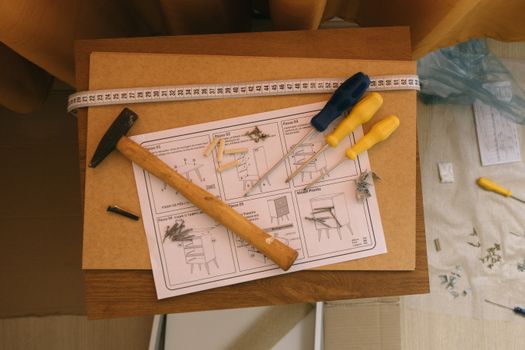
A hallmark of traditional woodworking is the reliance on hand tools, many of which have remained virtually unchanged for centuries. While the tools themselves might appear simple, their mastery requires years of practice and a deep understanding of wood as a living material.
Key tools include:
- Hand saws: Essential for cutting wood to size. Examples include the Japanese dozuki and the Western backsaw. - Chisels: Used for carving joints, mortises, and decorative features. - Planes: Hand planes smooth and shape wood surfaces, with types like the block plane and the jointer plane serving specialized functions. - Mallets: Facilitate controlled force when driving chisels or assembling joints. - Marking gauges and squares: Essential for precision and layout.Traditional woodworking techniques focus on joinery—the art of connecting pieces of wood without relying on metal fasteners. Common joints include:
- Mortise and tenon: A strong, interlocking joint used in everything from doors to furniture. - Dovetail: Renowned for its mechanical strength and visual appeal, it connects the sides of a drawer or box. - Lap joint: Simplifies construction by overlapping two pieces.Mastering these techniques enables the creation of sturdy, long-lasting pieces, often without a single nail or screw.
From Forest to Workshop: The Journey of Wood Selection and Preparation
The path from tree to finished object is a meticulous one in traditional woodworking. Selecting the right wood species is crucial, as each type offers unique properties. Hardwoods like oak, maple, and walnut are prized for their durability and beautiful grain patterns, while softwoods such as pine and cedar are valued for their workability and resistance to decay.
Traditional woodworkers often begin by seasoning the wood—allowing it to dry slowly over months or even years to prevent warping and splitting. Air-drying is a longstanding practice, with some craftspeople storing boards for up to five years before use. Once ready, the wood is dimensioned by hand, using saws and planes to achieve the desired thickness and flatness.
Attention to grain direction, moisture content (ideally between 6% and 8% for furniture), and defects such as knots or checks is paramount. This careful preparation ensures that the final piece will remain stable and beautiful for decades, if not centuries.
Comparing Traditional and Modern Woodworking Approaches
While traditional woodworking relies on hand tools, modern approaches benefit from power tools and industrial processes. Both have their merits, and understanding the differences can help aspiring woodworkers choose the right path for their projects.
| Aspect | Traditional Woodworking | Modern Woodworking |
|---|---|---|
| Primary Tools | Hand saws, chisels, planes, mallets | Table saws, routers, nail guns, sanders |
| Joinery | Mortise & tenon, dovetail, lap joints (no metal fasteners) | Pocket screws, biscuits, dowels, mechanical fasteners |
| Production Speed | Slower, highly detailed | Faster, scalable |
| Skill Development | Emphasizes manual dexterity and patience | Focuses on tool proficiency and efficiency |
| Resulting Products | Unique, often heirloom-quality | Consistent, easily replicable |
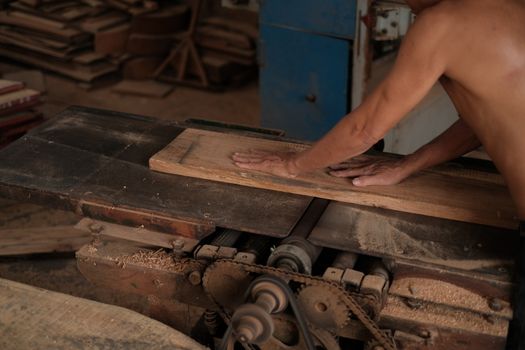
While modern tools make woodworking accessible and efficient, traditional methods offer a meditative pace and a deeper connection to the material. Many contemporary woodworkers blend both approaches, using power tools for rough shaping and hand tools for fine joinery and finishing.
The Renaissance of Traditional Woodworking in the 21st Century
Despite the rise of automation, traditional woodworking is undergoing a renaissance. According to a 2023 survey by the American Association of Woodturners, over 41% of respondents expressed renewed interest in hand tool woodworking, citing reasons such as sustainability, craftsmanship, and stress relief.
Artisans and hobbyists alike are turning to traditional techniques as a counterbalance to digital overload. Workshops, online courses, and community maker spaces have made it easier than ever to learn time-honored skills. Social media platforms like Instagram and YouTube buzz with creators showcasing hand-cut dovetails and intricate marquetry, inspiring a new generation.
This revival is also evident in the market for handmade furniture. In 2022, the global market for artisanal furniture was valued at $23.5 billion, reflecting a growing appreciation for quality over quantity. Consumers are increasingly drawn to products with a story—pieces built to last, with visible signs of the maker's hand.
Celebrated Examples and Timeless Projects
Some of the most iconic objects in the history of design owe their existence to traditional woodworking. The Windsor chair, first crafted in 18th-century England, features hand-turned legs and steam-bent spindles—techniques still taught in woodworking schools today. Japanese tansu chests, with their complex joinery and modular design, are highly prized by collectors and interior designers.
Traditional woodworking is not limited to furniture. Musical instruments like violins and guitars, boats such as the Norwegian Oselvar, and even wooden toys are all products of these meticulous methods. In recent years, the restoration of historic buildings—like the 13th-century Notre-Dame Cathedral in Paris—has highlighted the indispensable role of traditional woodworkers, who recreate lost elements using centuries-old tools and knowledge.
Why Traditional Woodworking Endures: More Than a Hobby
The appeal of traditional woodworking lies in its blend of creativity, problem-solving, and tangible results. For many, it offers respite from the digital world, fostering mindfulness and a sense of accomplishment. The process of designing, shaping, and joining wood by hand reveals a direct link to history—a reminder of how human ingenuity has shaped our built environment.
Moreover, traditional woodworking teaches valuable lessons in patience, resilience, and respect for natural materials. The satisfaction of crafting a beautiful, functional object from raw wood is unmatched, and the resulting pieces often become cherished heirlooms, passed down through families for generations.
As sustainable living and slow design gain traction, traditional woodworking stands as a testament to the enduring value of craftsmanship and intentionality.