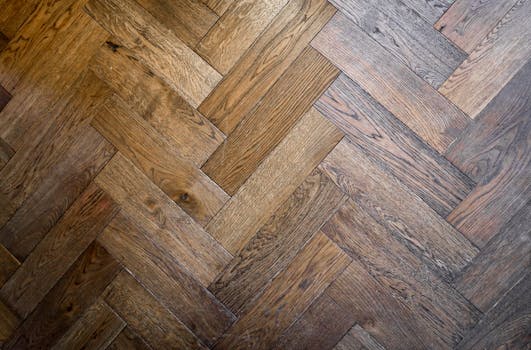
Hardwood has long been revered for both its striking beauty and its exceptional longevity. From grand historic mansions to modern minimalist homes, hardwood graces floors, furniture, and architectural details, adding warmth, character, and a sense of permanence. But what exactly makes hardwood so desirable? What are the science and artistry behind its durability? In this article, we’ll take an in-depth look at the unique qualities of hardwood, explore the factors that contribute to its enduring appeal, and compare it to other materials. Whether you’re planning a renovation or just curious about the world of wood, this comprehensive guide will help you appreciate hardwood’s unmatched beauty and resilience.
The Natural Beauty of Hardwood: What Sets It Apart
Hardwood is prized for its rich, organic aesthetics—a result of centuries of natural growth and the unique patterns formed by each tree’s life. Unlike engineered or composite materials, hardwood is never uniform. Its grain patterns, color variations, and textures provide a visual depth and tactile experience that synthetic products cannot replicate.
One of the most remarkable features of hardwood is its variety. Common species include oak, maple, walnut, cherry, and mahogany, each with distinct colors and grain structures. For instance, American black walnut is known for its deep chocolate hues and intricate swirling grains, while maple offers a pale, creamy appearance with subtle, consistent patterns. According to the U.S. Forest Service, over 20 different hardwood species are commonly used in North American flooring and furniture manufacturing.
.png)
Beyond its visual appeal, hardwood interacts beautifully with light. Depending on the finish and grain, it can appear dramatically different throughout the day, reflecting and absorbing light in a way that adds dimension and warmth to any space. Over time, hardwood develops a natural patina—a subtle change in color and sheen—that enhances its character and uniqueness.
The Science of Hardwood Durability
Hardwood’s reputation for durability isn’t just a matter of tradition; it’s backed by science. Hardwoods come from deciduous trees—those that lose their leaves each autumn. These trees grow more slowly than softwoods (such as pine or cedar), resulting in denser wood with tightly packed fibers.
Density is a key factor in wood’s durability. The Janka Hardness Test, a standard scale used in the industry, measures a wood’s resistance to denting and wear. For example, Brazilian cherry (Jatoba) has a Janka rating of 2,350 lbf (pound-force), making it one of the hardest commonly used hardwoods. In comparison, red oak, a popular choice in North America, scores around 1,290 lbf, while softwoods like white pine may rate as low as 380 lbf.
This density doesn’t just protect against dents and scratches; it also makes hardwood more resistant to water penetration, warping, and wear over time. When properly maintained, hardwood can last for generations. In fact, there are historic homes in Europe and North America with original hardwood floors that have endured for more than 200 years.
Hardwood in Architecture and Design: Timeless Versatility
One of hardwood’s greatest strengths is its versatility in design. Whether traditional, rustic, or ultra-modern, hardwood adapts to virtually any architectural style. Its range of natural colors—from the pale gold of ash to the deep reds of cherry—allows designers to create subtle backdrops or bold statements.
Hardwood is also an excellent medium for craftsmanship. Skilled artisans can carve, inlay, or shape hardwood into intricate patterns, custom moldings, or bespoke furniture. This adaptability has cemented hardwood’s role in high-end interiors, where attention to detail and longevity are paramount.
Moreover, hardwood’s compatibility with a wide variety of finishes—such as matte oils, high-gloss lacquers, or natural waxes—expands its design possibilities. This means that a single species of wood can take on dramatically different looks depending on the treatment, further enhancing its appeal for both homeowners and professionals.
Comparing Hardwood to Alternative Materials
As technology has advanced, a host of alternative flooring and furnishing materials have become available. Engineered wood, laminate, vinyl, and tile all offer certain advantages, but how do they stack up against solid hardwood?
Below is a comparison table highlighting key differences:
| Material | Average Lifespan | Durability | Repairability | Natural Beauty | Cost (per sq. ft.) |
|---|---|---|---|---|---|
| Solid Hardwood | 50-100+ years | High | Can be sanded/refinished multiple times | Excellent (unique grain, patina) | $8-$15 |
| Engineered Wood | 20-40 years | Medium-High | Limited refinishing (1-2 times) | Good (top layer is real wood) | $6-$12 |
| Laminate | 10-20 years | Moderate | Cannot be refinished | Fair (photo layer mimics wood) | $2-$7 |
| Luxury Vinyl | 15-30 years | Moderate-High | Cannot be refinished | Good (high-quality prints) | $3-$8 |
| Tile | 50+ years | Very High | Can replace individual tiles | Varies (not wood-like) | $5-$15 |
The table shows that solid hardwood stands out for its longevity, repairability, and natural beauty. While it may have a higher upfront cost, its ability to be refinished and its enduring aesthetic make it a worthwhile investment.
Sustainability and Responsible Hardwood Sourcing
Modern consumers are increasingly concerned about the environmental impact of their choices. Fortunately, hardwood can be a sustainable material when sourced responsibly. According to the Food and Agriculture Organization (FAO), North American hardwood forests have been growing at a rate 2.4 times higher than the volume of hardwood being harvested annually as of 2023.
Certification systems such as the Forest Stewardship Council (FSC) and the Programme for the Endorsement of Forest Certification (PEFC) help consumers identify wood products harvested from responsibly managed forests. FSC-certified wood, for example, ensures not only environmental sustainability but also fair labor practices and respect for indigenous rights.
In addition, hardwood is a natural carbon sink. During its growth, a tree absorbs carbon dioxide, which remains stored in the wood throughout its lifetime. Using hardwood in construction and furniture extends this carbon sequestration, especially when products are long-lasting.
Reclaimed hardwood is another sustainable option. Salvaged from old buildings, barns, or industrial sites, reclaimed wood reduces the demand for new lumber and adds a unique historical character to any project.
Maintaining Hardwood’s Beauty Over Time
While hardwood is inherently durable, its true longevity depends on proper care. Unlike many alternatives, solid hardwood floors and furniture can be restored even after decades of use. Here are three key statistics that underscore hardwood’s resilience:
1. Solid hardwood floors can be sanded and refinished up to 10 times over their lifespan, according to the National Wood Flooring Association. 2. Refinished hardwood floors can look virtually brand new, with a typical cost of $3-$8 per square foot—much less than replacement. 3. Well-maintained hardwood furniture and surfaces can last 100 years or more, with many antique pieces still in use today.To maintain hardwood’s appearance, it’s important to use appropriate cleaning agents (never harsh chemicals), protect surfaces from excessive moisture, and use rugs or pads in high-traffic areas. Sunlight can gradually alter the color of hardwood, so consider curtains or UV-protective finishes for rooms with abundant natural light. Regular dusting and prompt attention to spills will help preserve the finish and prevent staining.
When damage does occur—such as scratches, dents, or worn finishes—hardwood can often be repaired rather than replaced. This repairability is a major advantage over many synthetic alternatives, both economically and environmentally.
Why Hardwood Remains a Timeless Choice
The enduring appeal of hardwood lies in its harmonious blend of beauty, strength, and sustainability. Each plank tells the story of a tree’s life, offering a unique canvas for interior design and human creativity. Hardwood’s ability to be repaired, refinished, and repurposed ensures that it remains valuable and relevant for generations.
As trends come and go, hardwood holds its place as a symbol of quality and authenticity. Whether you’re drawn to the stately elegance of mahogany, the rustic charm of reclaimed oak, or the contemporary look of wide-plank maple, hardwood offers options to suit every taste and every era.
For those seeking a material that ages gracefully, supports responsible forestry, and adds lasting value to homes and public spaces, hardwood is a compelling—and beautiful—choice.