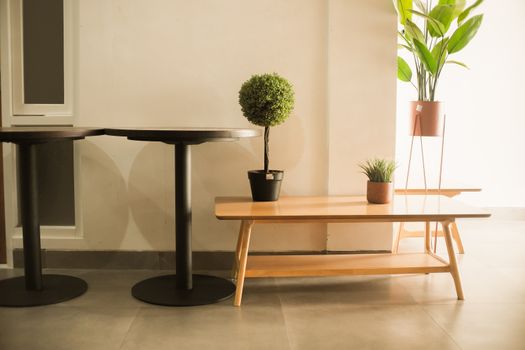
Wooden furniture has graced homes for centuries, seamlessly blending practicality, beauty, and a touch of nature into our living spaces. As interior design trends evolve, wooden furniture remains a constant favorite, revered for its versatility and enduring appeal. But beyond aesthetics, what makes wooden furniture such a valuable choice for homeowners today? Let’s explore the multifaceted benefits of incorporating wooden furniture into your home, backed by data, expert insight, and practical examples.
The Timeless Appeal: Why Wooden Furniture Never Goes Out of Style
Wooden furniture boasts a unique charm that transcends changing design fads. Unlike mass-produced plastic or metal pieces, each item crafted from wood carries its own natural grain, color variation, and character. Whether it’s the rich warmth of mahogany or the airy elegance of birch, wooden furniture can complement virtually any décor style, from rustic farmhouses to sleek, modern lofts.
According to a 2023 survey by Statista, 41% of U.S. homeowners cited “timelessness” and “natural look” as their top reasons for choosing wooden furniture over other materials. Interior designers also note that wood’s organic textures and hues offer a sense of comfort and tranquility, making it ideal for creating inviting living spaces.
.png)
Several notable design movements—such as Scandinavian minimalism and Japanese wabi-sabi—center around the use of natural wood. These styles prioritize simplicity, craftsmanship, and the inherent imperfections of wood, highlighting its enduring value in both traditional and contemporary homes.
Durability and Longevity: A Lifetime Investment
One of the most compelling benefits of wooden furniture is its exceptional durability. High-quality wooden pieces, especially those made from hardwoods like oak, maple, or walnut, can last for decades or even generations. In fact, many antique wooden tables, chairs, and cabinets are still in use today, often passed down as cherished family heirlooms.
In a 2022 study by Furniture Today, it was reported that wooden furniture, when properly cared for, can last up to 50 years or more, while average lifespans for metal or plastic furnishings were found to be just 10-15 years. This difference highlights not only wood’s physical resilience but also its ability to withstand changing tastes and styles over time.
Wooden furniture can be easily maintained, repaired, or refinished, further extending its usability. Scratches, dents, and surface blemishes that might ruin a plastic or veneer piece can often be sanded away or refinished on solid wood, restoring the furniture to near-original condition.
Sustainability and Eco-Friendliness: Supporting a Greener Home
As environmental awareness grows, many homeowners are seeking furniture options that align with sustainable values. Wood, when sourced responsibly, is one of the most eco-friendly materials available. Forest Stewardship Council (FSC)-certified wood, for example, comes from forests managed to preserve biodiversity and support local communities.
A 2021 report by the Environmental Protection Agency (EPA) highlighted that wood products generate significantly less carbon emissions during manufacturing compared to plastic or metal equivalents. Wooden furniture also acts as a carbon sink, storing carbon dioxide absorbed by the tree during its growth phase for the life of the product.
Moreover, wood is biodegradable and renewable. When a wooden piece reaches the end of its useful life, it can be recycled, repurposed, or allowed to decompose naturally—unlike plastics, which can persist in landfills for centuries. Choosing reclaimed or recycled wood furniture is another excellent way to minimize environmental impact while adding unique character to your home.
Health and Indoor Air Quality Benefits
Wooden furniture offers several advantages for indoor health and air quality, which are often overlooked in favor of style or cost. Unlike some synthetic materials, solid wood does not emit volatile organic compounds (VOCs) or other harmful chemicals that can degrade indoor air quality. According to the U.S. Environmental Protection Agency, high-VOC furnishings can contribute to headaches, allergies, and respiratory issues.
Natural wood also has hygroscopic properties, meaning it can moderate humidity by absorbing and releasing moisture. This can help stabilize indoor air, making your home feel more comfortable and reducing the risk of issues like mold growth or excessive dryness.
Furthermore, studies have shown that the presence of natural materials like wood in interiors can have positive psychological effects. A 2017 study published in the journal “Building and Environment” found that wood surfaces in homes and workplaces were associated with lower stress levels, improved mood, and increased feelings of well-being among occupants.
Versatility and Customization: Adapting to Any Space
Another major advantage of wooden furniture is its adaptability. Wood can be crafted into nearly any shape or size, allowing for endless customization options. Whether you’re outfitting a compact apartment or a spacious family home, wooden furniture can be tailored to fit your specific layout, style preferences, and functional needs.
Custom woodworking shops and independent artisans can create bespoke pieces that cater to unique requirements, such as built-in shelving for awkward spaces or ergonomically designed desks. Even mass-market retailers now offer modular wooden furniture collections that can be mixed and matched to suit evolving tastes.
Wood also takes well to staining, painting, and decorative carving, making it easy to refresh your furniture’s look without replacing it entirely. This flexibility not only enhances your home’s individuality but can also save money in the long run.
Comparing Wooden Furniture to Other Materials
To better understand the unique benefits of wooden furniture, it’s helpful to compare it with other popular furniture materials, such as metal, plastic, and composite boards. The table below outlines key differences in terms of durability, environmental impact, style, and maintenance.
| Feature | Wooden Furniture | Metal Furniture | Plastic Furniture | Composite Board |
|---|---|---|---|---|
| Average Lifespan | 30-50+ years | 15-25 years | 5-15 years | 5-10 years |
| Eco-Friendliness | High (if sourced sustainably) | Moderate (recyclable, energy-intensive) | Low (non-biodegradable) | Low (often not recyclable) |
| Repairability | Easy to repair/refinish | Moderate, may require welding | Difficult/impossible | Limited (surface repairs only) |
| Air Quality Impact | Low (no VOCs) | Low | High (may emit VOCs) | High (often emits VOCs) |
| Style Versatility | High | Moderate | Low | Low |
As seen in the table, wooden furniture stands out for its longevity, sustainability, air quality benefits, and adaptability, making it a superior choice for many homeowners.
Economic Value: Cost vs. Benefit Over Time
While wooden furniture often comes with a higher upfront cost compared to mass-produced alternatives, its long-term value is hard to overstate. Because it lasts longer and can be repaired or updated, wooden furniture often costs less over its usable life.
For example, a solid oak dining table might cost $1,000 but last 40 years or more, whereas a composite board table at $300 may need replacing every 8-10 years. Over four decades, the initial investment in wood could actually save several hundred dollars, not to mention the environmental and aesthetic benefits.
Quality wooden furniture also tends to retain or even appreciate in value, especially if it becomes a vintage or antique piece. According to Antiques Trade Gazette, certain types of well-maintained wooden furniture have increased in value by up to 30% over the past decade, making them potential investment pieces as well as functional household items.
Final Thoughts on the Benefits of Wooden Furniture in a Home
Incorporating wooden furniture into your home is more than just a design choice—it’s a commitment to quality, sustainability, and timeless beauty. With proven advantages in durability, health, and environmental impact, wooden furniture remains a smart investment for any household. Its natural warmth, adaptability, and ability to improve indoor spaces make it a favorite among homeowners and designers alike.
Whether you’re furnishing a new home or updating your current space, choosing wooden furniture ensures you enjoy comfort, style, and peace of mind for many years to come.