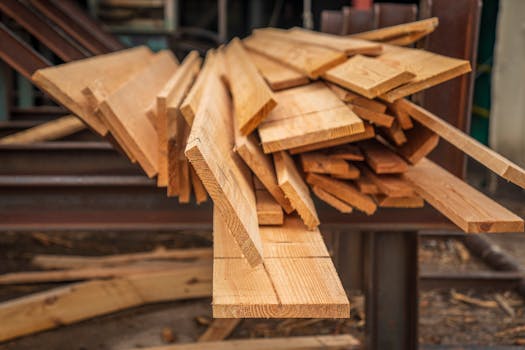
Wood grain is an essential aspect of woodworking that influences everything from structural integrity to aesthetic appeal. This beginner's guide provides a comprehensive overview of what wood grain is, explores the different types of wood grains, and offers practical tips for working with wood based on its grain.
What is Wood Grain?
Wood grain refers to the pattern and direction of the fibers in wood, which results from the growth habits of the tree. It is visible on the cut surfaces of wood and can vary significantly depending on how the wood is cut and the species of the tree. Wood grain includes the lines and textures that are evident on the surface of wood.
.png)
Types of Wood Grains
Understanding the various types of wood grains will help you choose the right wood for your projects and work with it effectively:
- Straight Grain: Fibers run parallel to the length of the board. This grain type is appreciated for its strength and ease of work.
- Spiral Grain: Fibers twist around the tree, which can make the wood harder to split and may create interesting visual effects.
- Interlocked Grain: Fibers alternate directions in different layers, often producing striking patterns but making the wood trickier to work with.
- Wavy Grain: Fibers follow a wave-like pattern, leading to highly attractive and unique wood designs.
- Diagonal Grain: Fibers run at an angle to the main axis, typically found in branches or roots and can add a dynamic quality to the wood's appearance.
How Wood Grain Affects Wood Properties
The grain of wood not only dictates its aesthetics but also its functional properties:
- Strength and Durability: Woods with straight grains are generally more robust and durable. Those with interlocked or spiral grains are better at resisting splitting.
- Workability: Straight-grained woods are easier to manage, cut, and finish. Woods with complex grains may require advanced tools and techniques for effective handling.
- Aesthetics: Grain patterns significantly influence the visual appeal of wood. Unique grains can enhance the beauty and distinctiveness of wood products.
Tips for Working with Different Wood Grains
Effective woodworking involves respecting the wood grain:
- Cutting and Shaping: Align your cutting tools with the grain direction to minimize splintering. Ensure that your tools are sharp and suitable for the grain type you are handling.
- Sanding and Finishing: Always sand along the grain to achieve a smooth finish. Sanding across the grain can lead to unsightly scratches and affect the quality of the final product.
- Choosing the Right Wood: Select wood based on the intended use of the final product. Opt for straight-grained woods for structural projects and consider beautifully grained woods for decorative pieces.
Conclusion
Grasping the basics of wood grain is vital for anyone engaged in woodworking. By understanding different grain types and how they influence the wood's behavior, you can make smarter choices in selecting and working with wood. This knowledge will enhance the durability, functionality, and aesthetic quality of your woodworking projects, whether they are for practical or decorative purposes.