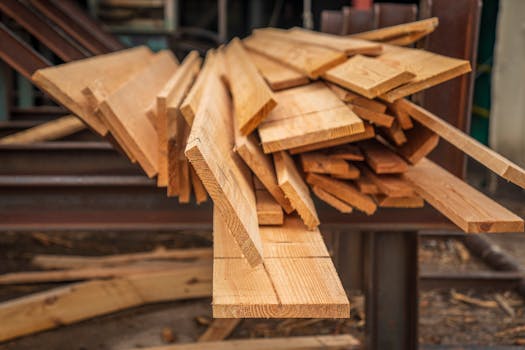
Choosing the right wood for your DIY project is crucial for ensuring the quality and durability of your final product. Whether you're constructing a piece of furniture, building a deck, or crafting a small decorative item, the type of wood you select can greatly influence the project’s outcome. Here’s a guide to help you make the best choice based on your specific needs.
Understanding Wood Types
Wood is broadly categorized into two main types: hardwoods and softwoods. This classification is based on the botanical grouping of the trees from which they are harvested, not necessarily the physical hardness of the wood.
.png)
Hardwoods
Hardwoods are derived from deciduous trees. They are generally denser, more durable, and have a finer texture, which makes them popular for furniture and flooring. Examples include:
- Oak: Known for its strength and durability, oak is a common choice for high-traffic furniture like dining tables and flooring.
- Maple: With its light color and subtle grain, maple is ideal for contemporary designs and detailed work like cabinetry.
- Cherry: Cherry wood has a distinctive reddish hue and darkens over time. It’s favored for luxurious furniture and fine woodworking.
- Walnut: This wood features a rich, dark color and is highly prized for decorative furniture and accent pieces due to its striking appearance.
Softwoods
Softwoods come from coniferous trees. These woods tend to grow faster and are thus more abundantly available, making them less expensive than hardwoods. They are easier to work with and are often used for structural projects as well as decorative items. Common softwoods include:
- Pine: Pine is lightweight and easy to work with, making it ideal for furniture, paneling, and crafts.
- Cedar: Known for its natural resistance to moisture, decay, and insect infestation, cedar is perfect for outdoor furniture and decking.
- Spruce: This wood is strong yet light, commonly used for framing houses and making musical instruments like guitars.
Factors to Consider
When choosing the type of wood for your project, consider the following:
- Durability: Assess the expected wear and tear on the item. Hardwoods are typically more resilient for heavy-use items.
- Workability: Some woods are more challenging to cut, carve, or sand. Pick a wood that matches your tool availability and skill level.
- Aesthetic Appeal: Think about the visual aspects of the wood. The color, grain, and texture should complement the design and style of the project.
- Cost: Budget constraints are important. Softwoods are generally more affordable than hardwoods.
- Environmental Impact: Opt for wood sourced from sustainably managed forests. Look for certifications like FSC (Forest Stewardship Council) to ensure responsible forestry practices.
Finishing Touches
Finishing your wood project properly can enhance its beauty and longevity. Here are some tips:
- Sanding: Always sand the wood smoothly before applying any finish to remove imperfections and ensure an even application.
- Sealing: This is crucial for outdoor projects to protect the wood from moisture and weather elements.
- Staining: Staining can accentuate the wood’s natural grain and adjust its color to better suit your project’s style.
- Varnishing: Apply a varnish to protect the finished project from scratches and UV damage, which is especially beneficial for items placed outdoors or in direct sunlight.
Conclusion
Selecting the right wood for your DIY project is fundamental to its success. By understanding the different properties of hardwoods and softwoods and considering factors like durability, workability, aesthetics, cost, and environmental impact, you can choose the best wood that not only meets the functional requirements but also adds to the visual appeal of your creation. Proper finishing techniques further ensure that your project is durable and maintains its beauty over time.