The Art of Turning Wood: A Comprehensive Guide
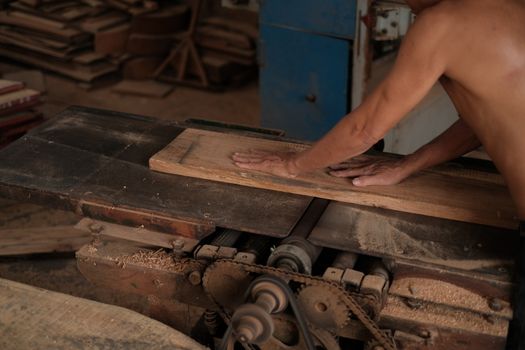
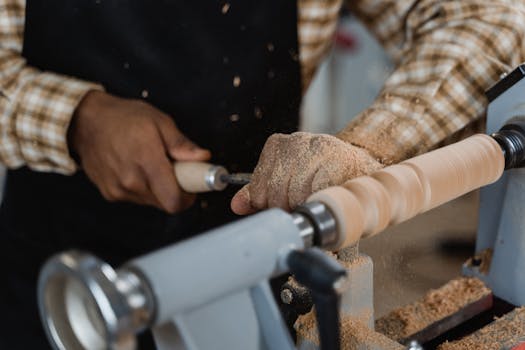
Woodturning is a mesmerizing blend of tradition, artistry, and precision engineering. Unlike other woodworking techniques that involve carving, joining, or assembling flat pieces, woodturning transforms a chunk of raw lumber into elegant, functional, or decorative objects—bowls, vases, pens, and even intricate ornaments—by spinning it on a lathe and shaping it with chisels. Whether you’re a curious beginner or a seasoned craftsman seeking new inspiration, the craft of woodturning offers a rich, rewarding journey into the world of spinning creativity. This comprehensive guide explores the essential aspects of woodturning, from its historical roots to modern techniques, safety, and equipment, and provides clear advice for those eager to try their hand at this fascinating art form.
The Historical Roots and Evolution of Woodturning
Woodturning is one of the oldest forms of woodworking, with evidence dating back to ancient Egypt around 1300 BCE. Early lathes were operated by two people: one to turn the wood with a rope and the other to shape it with a tool. By the Middle Ages, the spring pole lathe allowed a single craftsman to both spin and carve, revolutionizing production.
With the advent of the Industrial Revolution, treadle and then electric-powered lathes dramatically increased efficiency and complexity. By the 20th century, woodturning found its place not just in furniture and utility ware, but also as a respected form of artistic expression. Today, modern lathes—ranging from compact benchtop models to heavy-duty floor-standing machines—offer woodworkers unparalleled versatility and precision.
.png)
Fun Fact: The American Association of Woodturners (AAW), founded in 1986, now boasts over 15,000 members worldwide, highlighting the enduring and growing popularity of this craft.
Essential Tools and Equipment for Woodturning
Before spinning your first spindle or bowl, it’s crucial to understand the tools and machinery that form the foundation of woodturning. The centerpiece is the lathe, which holds and spins the wood at various speeds. Modern lathes typically range from 12 inches to over 20 inches in swing (the maximum diameter of work they can handle), and many offer variable speed controls for precision.
Key tools include:
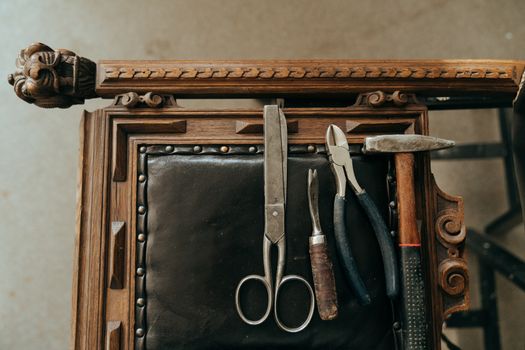
- $1: Roughing, spindle, and bowl gouges for shaping and hollowing. - $1: For smooth finishing and detailing. - $1: To separate finished work from waste material. - $1: For fine finishing and smoothing. - $1: For measuring wall thickness and diameters.Accessories such as faceplates, chucks, and tool rests increase versatility, allowing for the creation of everything from slender pens to wide platters.
Safety is paramount—woodturners should always use a full-face shield, dust mask, and appropriate clothing to protect against flying debris and fine dust.
Popular Wood Species for Turning and Their Characteristics
Selecting the right wood is as important as choosing the right tool. Some woods are prized for their beauty, others for their ease of turning. Below is a comparison table of popular wood species among turners:
| Wood Species | Hardness (Janka) | Workability | Typical Uses | Notable Features |
|---|---|---|---|---|
| Maple | 1,450 lbf | Excellent | Bowls, platters, handles | Fine grain, polishes well |
| Cherry | 995 lbf | Very Good | Spindles, vessels, decorative items | Ages to rich reddish-brown |
| Walnut | 1,010 lbf | Good | Bowls, boxes, furniture parts | Deep color, striking grain |
| Boxwood | 2,690 lbf | Challenging | Finials, small detail work | Very dense, holds fine detail |
| Poplar | 540 lbf | Easy | Practice pieces, utility items | Inexpensive, takes paint well |
| Olivewood | 2,700 lbf | Moderate | Bowls, decorative pieces | Beautiful swirling grain |
For beginners, softer species like poplar or cherry offer a forgiving introduction, while experienced turners often seek the challenge and beauty of denser woods like boxwood or olivewood.
Step-by-Step: The Woodturning Process Explained
Woodturning may look effortless in the hands of a seasoned artisan, but it involves a series of precise, methodical steps. Here’s a breakdown of the typical process:
1. $1 Choose a blank that is free from cracks, knots, or defects. Mount it securely on the lathe using either a faceplate (for bowls) or between centers (for spindles). 2. $1 Start the lathe at a low speed. Using a roughing gouge, round the blank to a cylinder, removing excess material and achieving balance. 3. $1 Increase the speed and switch to specialized tools (spindle gouge for beads and coves, bowl gouge for hollowing). Continually refine the shape, checking with calipers for symmetry and thickness. 4. $1 With the lathe running at moderate speed, sand through progressively finer grits (typically 80 to 400). Wipe away dust and apply a finish such as oil, wax, or shellac, buffing to a smooth sheen. 5. $1 Use a parting tool to separate the finished piece from waste wood. Remove any marks from the mounting and apply finish to the base.Pro Tip: Always cut “downhill” with the grain to avoid tear-out, especially on open-grained woods like oak or ash.
Advanced Techniques and Artistic Innovations
While traditional woodturning focuses on symmetry and utility, modern turners are pushing the boundaries with advanced techniques and artistic flourishes. These include:
- $1 Gluing together contrasting species in geometric patterns before turning, creating intricate designs not possible with a single block of wood. - $1 Using specialized tools to hollow out shapes through a small opening, resulting in lightweight, delicate vessels. - $1 Adding surface texture with specialized chisels, burning tools, or carving, and enhancing color with dyes, paints, or epoxy inlays. - $1 Offsetting the axis of rotation during the process to create asymmetrical or sculptural pieces.A notable example is the work of British artist Bert Marsh, whose minimalist, perfectly proportioned bowls are celebrated worldwide. In contrast, American turner Binh Pho became famous for intricate, pierced, and colored vessels that resemble delicate stained glass.
Getting Started: Tips for Aspiring Woodturners
Embarking on your woodturning journey doesn’t require a massive investment, but a thoughtful approach ensures safety and satisfaction. Here are some practical tips:
- $1 Begin with simple projects like tool handles, rolling pins, or candlesticks. These teach basic skills and build confidence. - $1 Local clubs or online forums (such as the AAW or Reddit’s r/woodturning) offer invaluable support, mentorship, and project inspiration. - $1 It’s better to buy a few high-quality tools than a full set of inferior ones. Well-made tools hold an edge longer and are safer to use. - $1 Many woodworking stores and community colleges offer introductory woodturning classes. Hands-on instruction accelerates learning and reduces frustration. - $1 Always wear protective gear and keep your workspace clean. According to the U.S. Consumer Product Safety Commission, over 64,000 woodworking-related injuries were treated in emergency rooms in 2022—many of which could have been prevented with proper precautions.Fun Fact: The Guinness World Record for the largest turned wooden bowl is held by Zanis Waldheims of Latvia, whose creation measured over 4 feet in diameter and weighed 1,800 pounds.
Final Thoughts on the Craft of Turning Wood
The art of woodturning bridges the gap between functional craftsmanship and artistic expression. From ancient hand-powered lathes to today’s precision machines, the core thrill remains: the magic of revealing beauty hidden within a block of wood. Whether you’re crafting heirloom furniture accents or sculptural masterpieces, every turn at the lathe is a chance to explore creativity, hone skill, and connect with a centuries-old tradition. With the right tools, materials, and mindset, anyone can experience the satisfaction of transforming wood into something truly unique.