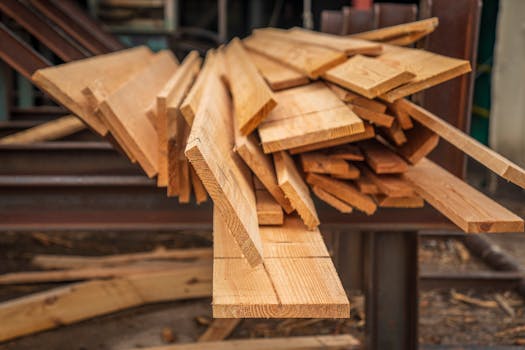
Perfectly choosing the right wood for your project is essential to ensuring its success, durability, and aesthetic appeal. Whether you're crafting a piece of furniture, building a deck, or embarking on a simple DIY project, understanding the different types of wood and their specific characteristics will guide you in making the best selection. Here’s a comprehensive guide to help you select the ideal wood for your needs.
Understanding Wood Types
Wood is broadly categorized into two main types: hardwood and softwood. This classification is based on the type of trees they originate from rather than their actual hardness:
.png)
- Hardwoods are derived from deciduous trees that lose their leaves annually. Examples include oak, maple, and walnut.
- Softwoods come from coniferous trees, which typically remain evergreen, such as pine and cedar.
Hardwoods
- Oak: Known for its strength and durability, oak is a popular choice for furniture and flooring. It features a prominent grain that adds texture and character.
- Maple: This hard, dense wood is ideal for high-traffic items like kitchen cabinets and bowling alleys, featuring a lighter color and subtle grain.
- Walnut: Valued for its rich, dark color and fine grain, walnut is perfect for decorative pieces where aesthetics are a priority.
Softwoods
- Pine: Soft, affordable, and versatile, pine is excellent for beginners and is easily stained or painted.
- Cedar: With its aromatic scent and natural resistance to insects, cedar is ideal for outdoor furniture and closet linings.
- Spruce: Strong yet lightweight, spruce is favored in construction and for making musical instruments like guitars.
Factors to Consider When Choosing Wood
- Project Type: The nature of your project will influence your wood choice. Structural projects might require durable and treated wood, while furniture may call for fine hardwoods.
- Durability: Assess the durability needed for your project, especially if it will face regular wear and tear.
- Workability: Some woods are more manageable and better suited for beginners, while others offer a finer detail suitable for advanced projects.
- Finish: Consider how the wood's finish will look on your project, as some woods like cherry develop a richer patina over time.
- Cost: Budget considerations are crucial. Exotic hardwoods tend to be more expensive compared to more accessible softwoods.
Tips for Buying Wood
- Inspect for Defects: Always check for knots, splits, or warps, which could affect the wood's appearance and strength.
- Purchase Extra: Buying a bit more wood than your project needs can save you from potential issues or mistakes.
- Sustainable Sourcing: Choose wood from responsibly managed forests to support environmental sustainability.
Maintaining Your Wood
Proper maintenance extends the lifespan of your wood projects. Indoor projects typically need regular dusting and occasional polishing, while outdoor projects benefit from protective stains or sealants to guard against moisture and UV damage.
Conclusion
Selecting the right wood involves a thorough understanding of different wood types and their properties, considering factors like durability, cost, and workability, and maintaining the wood properly post-completion. With these professional tips, you’re better equipped to choose the best wood that not only fulfills the requirements of your project but also enhances its beauty and longevity. Embrace these insights for a successful woodworking experience!