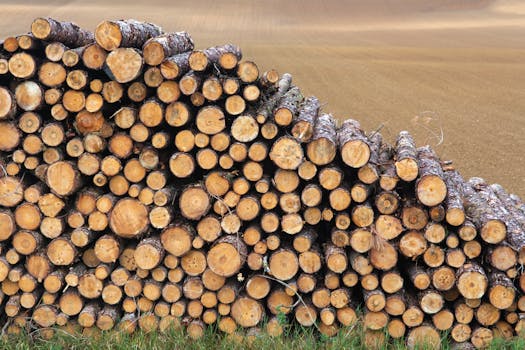
The environmental implications of using wood as a building material are multifaceted, requiring careful consideration of its entire lifecycle—from forestry practices to end-of-life disposal. While wood is inherently renewable, its sustainability largely hinges on how it is harvested, processed, and managed throughout its use.
Renewable Nature and Carbon Sequestration
Wood stands out for its renewable qualities compared to finite resources like metals and plastics. Forests have the natural ability to regenerate, provided they are managed sustainably. Moreover, wood plays a crucial role in carbon sequestration; trees absorb CO2 from the atmosphere during their growth, and this carbon remains stored in the wood for the duration of its use in products. This storage can partially offset carbon emissions, which is a significant advantage in the fight against climate change.
.png)
Sustainable Forestry Practices
The sustainability of wood is significantly influenced by forestry practices. Sustainable forestry involves careful management of forest resources to maintain their biodiversity, ecological, and productivity functions. Certification programs such as the Forest Stewardship Council (FSC) and the Programme for the Endorsement of Forest Certification (PEFC) are critical in guiding consumers towards wood sourced from responsibly managed forests. These certifications ensure that the wood products are harvested in a way that conserves natural habitats and ensures the long-term health of forest ecosystems.
Challenges of Deforestation
Despite its renewable status, the use of wood can contribute to deforestation if not managed responsibly. Unsustainable logging practices lead to biodiversity loss, ecosystem disruption, and increased carbon emissions, which counteracts the benefits of using wood. Ensuring that wood comes from sustainably managed forests is essential for mitigating these impacts.
Processing and Manufacturing
The processing of wood, including cutting, shaping, and finishing, typically requires less energy compared to manufacturing processes for steel or aluminum. However, it still involves significant energy use, water consumption, and waste production. Employing renewable energy sources and enhancing waste management practices in wood processing can diminish these environmental impacts.
Transportation and Wood Treatment
Transportation of wood from forests to processing sites and markets adds to its carbon footprint, particularly for long-distance transport. Local sourcing of wood can help minimize these emissions. Additionally, wood treatments, which are necessary for enhancing durability and pest resistance, often involve chemicals that can be harmful to both the environment and human health. Opting for wood treated with environmentally friendly preservatives or using naturally durable wood species are preferable alternatives.
End-of-Life Considerations
At the end of its life, wood has the advantage of being biodegradable, which is beneficial compared to non-biodegradable materials like plastics. However, the environmental benefit is contingent on proper disposal practices. Wood in landfills might not decompose efficiently due to anaerobic conditions, leading to methane production—a potent greenhouse gas. Recycling or repurposing wood extends its life and reduces environmental impacts, promoting a more circular economy.
Conclusion
Wood is a valuable material that, when used responsibly, can support environmental sustainability goals. Its impact depends on careful management of the entire supply chain—from sustainable harvesting and eco-friendly processing to efficient use and disposal. By making informed decisions about these factors, both consumers and industries can contribute to a more sustainable use of wood, aligning with broader environmental conservation efforts.