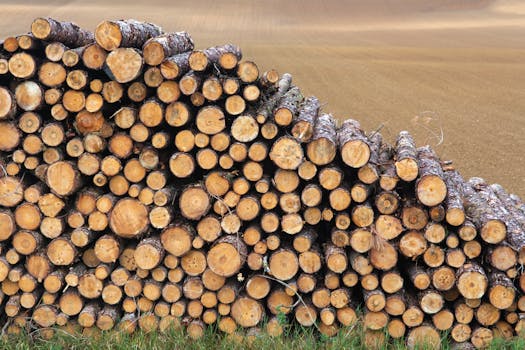
Eco-friendly wood is becoming an increasingly popular choice among consumers who are committed to reducing their environmental footprint. As awareness of the importance of sustainability grows, understanding the options and benefits associated with eco-friendly wood is crucial for making responsible purchasing decisions.
What is Eco-Friendly Wood?
Eco-friendly wood is timber that has been harvested and processed in ways that have a reduced impact on the environment. This includes several practices:
.png)
- Sustainable Forestry: This method ensures that the harvesting of wood is done in a way that maintains the biodiversity, productivity, and ecological processes of the forest. Sustainable forestry aims to maintain the balance between wood production and forest health.
- Reclaimed Wood: Reclaimed wood is salvaged from old structures, such as buildings and barns, and repurposed. This process helps reduce waste and the demand for new raw materials, conserving resources and reducing environmental impact.
- Plantation Wood: Grown specifically for harvesting, this type of wood comes from plantations managed to ensure continuous growth and quick regeneration. This helps relieve stress on natural forests and provides a controlled supply of wood.
Why Choose Eco-Friendly Wood?
Opting for eco-friendly wood has several environmental, economic, and social benefits:
- Environmental Conservation: Eco-friendly wood practices help preserve natural habitats, maintain wildlife, and reduce deforestation and soil erosion. This, in turn, contributes to the overall health of the ecosystem.
- Reduced Carbon Footprint: The process of harvesting and processing eco-friendly wood often uses less energy and results in lower emissions compared to traditional methods. Additionally, by using reclaimed wood, carbon is kept sequestered, which would otherwise be released if the wood decayed or was burned.
- Support for Local Communities: Sustainable forestry can provide long-term employment opportunities in rural areas, contributing to local economies and improving the quality of life for local populations.
- Aesthetic and Unique Appeal: Reclaimed wood often has distinctive characteristics and a rustic charm that is highly valued in furniture and architectural design.
Making Responsible Choices
When purchasing wood, identifying eco-friendly options is key. Here are some tips to ensure that your wood choices are sustainable:
- Look for Certifications: Certifications like the Forest Stewardship Council (FSC), Sustainable Forestry Initiative (SFI), and Programme for the Endorsement of Forest Certification (PEFC) indicate that the wood complies with high environmental and social standards.
- Ask Questions: Inquire about the origin of the wood, the harvesting practices used, and the sustainability policies of the company. Transparent companies are usually more than willing to provide this information.
- Prefer Local Sources: Choosing wood from local sources can reduce transportation emissions and support local economies.
- Consider the Full Lifecycle: Think about the durability and longevity of the wood products you purchase. Longer-lasting products mean less frequent replacement and less waste.
Conclusion
Eco-friendly wood is not just a responsible choice—it's an investment in the future of our planet. By choosing sustainable wood products, you contribute to the preservation of ecosystems, support sustainable community development, and reduce environmental impact. Whether you're involved in construction, designing a new piece of furniture, or simply looking to make more environmentally friendly choices, eco-friendly wood is a commendable option.