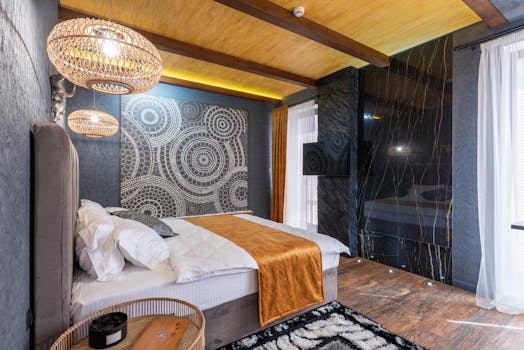
Wood has been a fundamental building material throughout history, known for its versatility, natural beauty, and structural capabilities. Today, as the world shifts towards sustainable architecture, wood is re-emerging as a key material in modern construction practices due to its environmental benefits and technological advancements.
Sustainable Architecture and Wood
Sustainable architecture focuses on minimizing environmental impacts by utilizing materials and technologies that are eco-friendly and efficient. Wood is particularly significant in this realm because it is renewable and has a lower carbon footprint compared to traditional building materials like concrete and steel.
.png)
Carbon Sequestration
A primary environmental benefit of using wood in construction is its ability to store carbon. Trees absorb carbon dioxide from the atmosphere as they grow, converting it into biomass. When wood is used as a building material, this carbon is effectively locked away, reducing the overall carbon footprint of a building.
Natural Insulation
Wood acts as a natural insulator. Its inherent properties help maintain temperature stability inside buildings, reducing the need for excessive heating and cooling. This leads to lower energy consumption and a smaller environmental footprint. The thermal properties of wood can be further enhanced through modern engineering techniques, making wood-based designs both efficient and aesthetically pleasing.
Energy-Efficient Production
The production process for wood requires less energy compared to other construction materials. The energy needed to process wood into usable forms is significantly lower than that required to produce steel or aluminum, leading to a reduction in overall energy consumption during construction.
Technological Advancements in Wood Use
Advances in technology have broadened the applications of wood in architecture. Cross-laminated timber (CLT) and glued laminated timber (glulam) are examples of engineered wood products that are stronger and more durable than traditional wood. These products enable architects and engineers to design larger and more complex structures, expanding the possibilities of wood-based construction.
Longevity and Adaptability
Sustainability also involves considerations of longevity and adaptability. Wood is beneficial in this respect because it is not only durable but also easy to modify and repair. Wood structures can be easily adapted over time to meet changing needs, reducing the requirement for new materials and minimizing waste.
Psychological Benefits
Wood has a positive psychological impact on occupants. Studies have indicated that being surrounded by natural materials like wood can reduce stress and enhance feelings of well-being. This makes wood an excellent choice for environments where quality of life is a priority, such as homes, schools, and healthcare facilities.
Challenges in Using Wood
However, the use of wood in sustainable architecture also presents challenges. Responsible sourcing is crucial to ensure that environmental benefits are realized. This means obtaining timber from sustainably managed forests and maintaining a transparent and ethical supply chain. Certification schemes like the Forest Stewardship Council (FSC) help ensure that wood products are sourced responsibly.
Protection Against Environmental Factors
Another challenge is protecting wood from environmental factors such as moisture, pests, and decay. Technological advancements in wood treatment and protective coatings have improved the durability of wood, making it more suitable for various climatic conditions.
Conclusion
In conclusion, wood plays a crucial role in sustainable architecture. Its environmental benefits, coupled with technological advancements, make it an ideal material for modern construction. By opting for wood, architects and builders can reduce the environmental impact of their projects while creating spaces that are both beautiful and beneficial to occupants. As the focus on sustainability intensifies, the role of wood in architecture is expected to expand, highlighting the need for continued innovation and responsible management of wood resources.