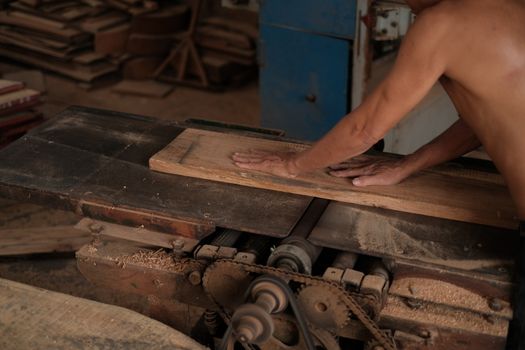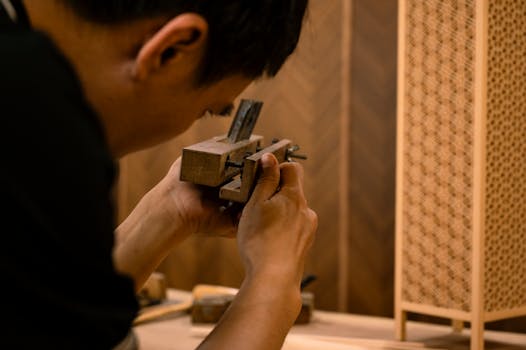
Wood joinery is the foundation of woodworking, enabling craftspeople to build everything from delicate jewelry boxes to robust timber-framed houses. Behind every sturdy table, intricate cabinet, or architectural timber beam, lies a mastery of joinery techniques that have evolved for centuries. Whether you’re a hobbyist, a budding carpenter, or simply curious about the hidden artistry holding your furniture together, understanding wood joinery opens up a new appreciation for craftsmanship and design. This guide introduces the essential concepts, popular techniques, and practical considerations of wood joinery, providing insight for anyone looking to dive deeper into this timeless craft.
The Essence of Wood Joinery: Connecting Wood with Strength and Style
At its core, wood joinery is about creating connections between separate pieces of wood. While glue, screws, and nails are common in modern woodworking, traditional joinery relies on the shape, fit, and interaction of wooden components themselves. This creates joints that are not only strong but often beautiful and expressive of the woodworker’s skill.
There are over 50 recognized joinery methods globally, from ancient Japanese techniques to Western carpentry staples. Their development was driven by the need for durable, stable, and aesthetically pleasing constructions—long before industrial adhesives and metal fasteners existed.
.png)
Why does joinery matter? In furniture and structural woodworking, the joint is usually the weakest point. A well-designed joint distributes stress, resists movement, and can last for centuries. For example, the mortise and tenon joint, first documented 7,000 years ago in ancient Egypt, is still used in modern timber framing due to its unmatched reliability.
According to a 2021 survey by Fine Woodworking Magazine, over 65% of professional woodworkers consider joinery skills to be the single most important aspect of their craft, outranking finishing techniques and material selection.
Overview of Common Wood Joinery Techniques
There are dozens of joinery methods, but a handful form the backbone of both traditional and modern woodworking. Each technique has its strengths, challenges, and ideal applications.
1. Butt Joint The simplest form, where two pieces are joined end to end or at a right angle, usually with glue, nails, or screws. While easy to make, butt joints are weak without reinforcement. 2. Dovetail Joint A hallmark of fine craftsmanship, dovetail joints feature interlocking "tails" and "pins" that provide exceptional tensile strength. Dovetails are commonly used in drawer construction and box making. 3. Mortise and Tenon One of the oldest and most reliable joints, this method involves inserting a tenon (a tongue-like projection) into a matching mortise (a cavity). It’s widely used in furniture, doors, and timber framing. 4. Finger/Box Joint Similar to dovetails but with rectangular interlocking fingers, this joint is strong and often used for box and drawer corners. 5. Lap Joint Here, two pieces overlap each other, often with half the thickness removed from each piece. Lap joints are useful for frames and structural work. 6. Biscuit and Dowel Joints Modern joinery often employs wooden dowels or thin “biscuits” (oval-shaped pieces) to reinforce butt joints. These add alignment and strength, particularly in panel assembly.Traditional vs. Modern Joinery: A Comparative Overview
Choosing the right joint often depends on the tools available, the project’s purpose, and the desired aesthetics. Traditional joinery methods, such as mortise and tenon or dovetail, require skill and time but offer beauty and durability. Modern methods, like biscuit and pocket-hole joinery, are faster and easier, thanks to specialized tools.
Below is a comparative table highlighting key differences:
| Joinery Technique | Strength | Skill Level | Tools Required | Typical Use |
|---|---|---|---|---|
| Dovetail | Very High | Advanced | Hand tools, Jigs | Drawers, boxes |
| Mortise & Tenon | High | Intermediate | Chisels, Mortiser | Tables, frames |
| Butt Joint | Low | Beginner | Saw, glue, nails | Simple boxes, panels |
| Biscuit Joint | Moderate | Beginner/Intermediate | Biscuit joiner, glue | Cabinet carcasses |
| Pocket-hole | Moderate | Beginner | Pocket-hole jig, drill | Face frames, repairs |
| Finger/Box Joint | High | Intermediate | Saw, Jigs | Boxes, drawers |
For example, a dovetail joint’s mechanical strength resists pulling forces, making it ideal for drawers that are opened and closed hundreds of times. On the other hand, a pocket-hole joint, while fast and easy, is best for hidden areas like face frames where aesthetics aren’t a primary concern.
The Importance of Wood Grain and Movement in Joinery
A crucial aspect often overlooked by beginners is wood’s natural movement. Wood expands and contracts across the grain with changes in humidity—by as much as 1/4 inch per foot of width in some species. Joinery must accommodate this movement to avoid splits, cracks, or failed joints.
Traditional techniques like the tongue and groove or floating panel allow for expansion while maintaining a tight fit. For example, in a solid wood tabletop, breadboard ends are sometimes used: the ends are attached with a mortise and tenon joint, but the tenon is made slightly undersized, and the mortise is elongated, letting the tabletop expand and contract freely.
Selecting the right grain orientation and joint for each part is essential. In fine furniture, the grain of the jointed pieces is often matched for both appearance and stability. According to a study by the Forest Products Laboratory, improper grain alignment is responsible for nearly 40% of joint failures in wooden furniture.
Specialty Joinery from Around the World
While most Western joinery is focused on function and efficiency, many cultures have developed unique, highly sophisticated techniques that reflect their woodworking traditions.
Japanese joinery, for example, is renowned for its complexity and precision. The “kanawa tsugi” (scarf joint) is used to join beams end-to-end without nails or glue, relying entirely on interlocking wood shapes. Temples and shrines built with these methods have stood for hundreds of years, even in earthquake-prone regions.
Chinese joinery features the “mitered mortise and tenon,” allowing for frame-like constructions with no visible end grain. In Scandinavian countries, lap and dovetail joints have been adapted to cope with the region’s temperature and humidity fluctuations.
These techniques aren’t just historical curiosities—they’re studied and revived by modern woodworkers seeking both beauty and engineering excellence. In 2019, an international exhibition in Tokyo showcased over 200 traditional joints from 10 countries, highlighting the global diversity and innovation in wood joinery.
Choosing the Right Joint for the Job
Selecting a joinery technique depends on several factors:
- Load-bearing requirements: For structural frames, mortise and tenon or lap joints are preferred. - Appearance: Exposed dovetails or finger joints can be a decorative feature. - Tools and skill level: Beginners may start with butt or dowel joints, while experienced woodworkers can attempt hand-cut dovetails. - Time and production scale: For mass production, dowel, biscuit, or pocket-hole joinery offers efficiency.For example, assembling a bookshelf might involve dado joints for shelf support, reinforced with screws or dowels. A jewelry box, on the other hand, benefits from the elegance and strength of dovetail or finger joints.
It’s also important to consider glue and fastener choices. Modern adhesives, such as polyvinyl acetate (PVA) glue, have revolutionized joinery strength—some glued joints are stronger than the surrounding wood. However, in outdoor applications, waterproof glues and mechanical fasteners may be essential.
Preserving and Repairing Wood Joints
Even the best joinery can fail over time due to wear, environmental stress, or accidents. Understanding how joints are constructed aids in both prevention and repair. Regular inspection for loose joints, especially in chairs and tables, can prevent catastrophic failures.
Restoration experts often use reversible adhesives or mechanical fixes (like adding screws to a mortise and tenon joint) to preserve antique furniture. When joints loosen due to glue failure, careful disassembly and re-gluing are preferable to simply adding more glue or fasteners—this maintains the integrity and value of the piece.
For outdoor or high-use items, periodic maintenance such as tightening screws or reapplying protective finishes can extend the life of both joints and wood.
Exploring the Art and Science of Wood Joinery
Wood joinery is a blend of art, science, and tradition. While power tools and adhesives have expanded the possibilities for modern woodworkers, the principles behind strong, beautiful joints remain unchanged. By understanding the strengths and limitations of various joinery techniques—and the nature of wood itself—anyone can create lasting, functional, and elegant works in wood.
Whether building a simple shelf or a complex cabinetry masterpiece, mastering joinery is the key to unlocking your woodworking potential. As you explore this essential craft, you’ll join a lineage of artisans whose skillful connections have shaped homes, furniture, and heritage across generations.