Wooden furniture adds warmth, beauty, and timeless appeal to any home. Whether it’s a cherished antique or a sleek modern piece, wood’s natural charm is unmatched—but it does require thoughtful care. Over time, dust, grime, moisture, and even sunlight can degrade wood finishes and underlying fibers, leading to dullness, cracks, or fading. Knowing how to properly clean and preserve your wooden furniture isn’t just about maintaining appearances; it’s essential for extending the life of your investment and keeping it looking its best for generations. In this comprehensive guide, we’ll explore essential strategies, methods, and facts that will help you clean and preserve wooden furniture safely and effectively—without repeating the same old advice.
Understanding the Unique Needs of Wooden Furniture
Each wooden piece is unique, depending on its type of wood, finish, age, and how it’s used. For example, a solid oak dining table faces different challenges than a veneered bookshelf or a lacquered coffee table. According to a study by the Woodworking Network, more than 60% of furniture damage reported by owners was linked to improper cleaning or environmental exposure, not accidents.
Key factors to consider include:
- $1 Hardwoods (like oak, maple, or cherry) are more durable but can still scratch or stain. Softwoods (like pine or cedar) are more prone to dents and gouges. - $1 Common finishes include varnish, lacquer, polyurethane, oil, or wax. Each requires slightly different care. - $1 Antique furniture often has more delicate finishes and may need gentler products and methods.Understanding these factors lets you tailor your cleaning and preservation approach, preventing common mistakes that can lead to costly repairs or restoration.
.png)
Safe and Effective Cleaning Methods for Wooden Furniture
Contrary to popular belief, wood furniture should never be soaked or cleaned with harsh chemicals. Instead, a gentle, stepwise approach is best:
1. $1 Use a soft, lint-free microfiber cloth to gently remove dust at least once a week. Dust particles are abrasive and can scratch the finish if left unchecked. 2. $1 Blot liquids immediately with a clean, dry cloth. For sticky spots, lightly dampen the cloth with water and gently wipe—never let water pool or soak in. 3. $1 For heavier cleaning, mix a few drops of mild dish soap with a quart of water. Dampen (never soak) a cloth, wipe the surface, then immediately dry with a soft towel. 4. $1 Many contain ammonia or solvents that can damage wood finishes.For stubborn grime or greasy residues, mineral spirits (applied sparingly on a cloth) can be used for most finishes, but always test in an inconspicuous spot first. According to the American Hardwood Information Center, improper cleaning is the leading cause of finish dulling.
Choosing the Right Products: Natural vs. Commercial Cleaners
The market is flooded with products claiming to clean or shine wood, but not all are created equal. Here’s a quick comparison of common cleaning options:
| Product Type | Pros | Cons | Best For |
|---|---|---|---|
| Natural Home Mix (Soap & Water) | Gentle, inexpensive, chemical-free | Not effective on heavy buildup | Routine cleaning of all wood types |
| Commercial Wood Cleaner | Formulated for wood, easy to use | May contain silicones or waxes that build up over time | Occasional deep cleaning |
| Vinegar Solution | Disinfects, removes odors | Acidic, can strip finish if overused | Removing sticky residues (sparingly) |
| Oil Soap | Cleans and conditions | Can leave residue, attract dust | Older, unfinished, or oiled wood |
Some experts, like those at the Smithsonian’s Furniture Conservation Lab, recommend avoiding spray polishes that contain silicone, as these can lead to a cloudy buildup that’s challenging to remove. Always read product labels and, when in doubt, opt for the gentlest method.
Preservation Techniques: Protecting Wood for the Long Term
Cleaning is just the beginning. Preservation involves proactive steps that shield wooden furniture from the most common sources of damage—moisture, sunlight, and physical wear:
- $1 Wood is highly sensitive to environmental changes. The Environmental Protection Agency (EPA) suggests keeping indoor humidity between 40-55% to prevent wood from warping, cracking, or shrinking. Use a humidifier in dry winters and a dehumidifier in damp summers if needed. - $1 Direct sunlight can cause fading, drying, and even splitting. Arrange furniture away from windows or use UV-protective window films and curtains. A study by The Furniture Society found that ultraviolet exposure can reduce wood color vibrancy by up to 40% over five years. - $1 Place felt pads under lamps, vases, and decorations to prevent scratches and water rings. For dining tables, use coasters and placemats. - $1 Move decorative objects occasionally to prevent uneven fading and wear.For pieces with a wax or oil finish, reapply a maintenance coat every 6-12 months. Polyurethane and varnished woods typically need less frequent attention, but periodic inspection for chips or scratches is wise.
Advanced Care: Dealing with Scratches, Stains, and Minor Damage
Even with the best daily care, accidents happen. Here’s how to address some common issues without risking further harm:
- $1 For light surface scratches, use a matching wood touch-up marker or wax stick. For deeper scratches, a blend of equal parts olive oil and vinegar can sometimes camouflage the mark—apply, let sit, and buff gently. - $1 Caused by moisture trapped beneath the finish, these can often be lifted by gently rubbing with a cloth and a dab of non-gel toothpaste or a paste made from baking soda and water. Avoid abrasive pads. - $1 Place a cloth over the mark and briefly iron on low heat—this can sometimes draw out the moisture causing the white mark. - $1 Mineral spirits (used sparingly) may help, but for antiques or valuable pieces, always consult a professional first.Note: If a piece has significant damage or is a valuable antique, restoration should be left to a trained conservator to avoid reducing its value.
Caring for Different Types of Wooden Furniture: Indoors vs. Outdoors
Indoor and outdoor wooden furniture face different threats and require tailored care:
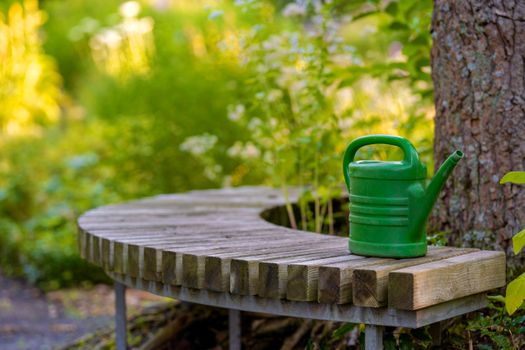
- $1 Typically finished with varnishes, oils, or lacquers. Prioritize dusting, humidity control, and protection from spills and sunlight. - $1 Exposed to rain, sun, and temperature swings. Clean with mild soap and water, rinse, and dry thoroughly. Apply a protective sealant or oil every season. For teak or eucalyptus, allow natural patina or use specialty oils to maintain color.The Global Wood Furniture Market Report (2023) notes that outdoor pieces may degrade up to 50% faster than comparable indoor furniture if not properly maintained.
Final Tips for Long-Lasting Wooden Furniture
Properly cleaning and preserving your wooden furniture doesn’t require harsh chemicals or expensive treatments. Instead, it’s about understanding your furniture’s unique qualities and providing regular, gentle care. Remember these key takeaways:
- Regular dusting and prompt spill cleanup are your first lines of defense. - Use gentle cleaners, avoid harsh chemicals, and read labels carefully. - Protect against environmental threats by controlling humidity and sunlight exposure. - Address minor damage promptly, but consult professionals for significant repairs or antiques. - Tailor your routine for indoor versus outdoor pieces for the best long-term results.With these strategies, your wooden furniture can remain a beautiful, functional part of your home for decades, if not generations.