Incorporating Woodwork into Modern Interior Design
Wood has been an integral part of interior design for centuries, admired for its versatility, warmth, and natural beauty. Yet, as design sensibilities have evolved, so too have the ways in which wood is used within contemporary spaces. Today, incorporating woodwork into modern interior design is less about traditional carvings or rustic finishes and more about blending natural materials with sleek lines, innovative forms, and sustainable practices. In this article, we explore how woodwork is being reimagined for modern interiors, the aesthetic and functional benefits it brings, and how homeowners and designers can harness its potential for truly unique spaces.
The Renaissance of Woodwork in Modern Spaces
The resurgence of woodwork in modern interior design is no accident. Global trends reveal a growing appreciation for biophilic design—a principle that integrates natural elements into built environments to improve well-being and comfort. Research from the University of Queensland shows that exposure to wood surfaces in interiors can reduce stress by up to 13%. This craving for nature-inspired spaces has led to a renaissance of woodwork but with a distinctly modern twist.
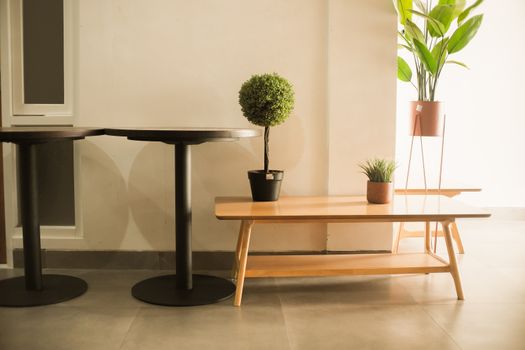
Unlike the ornate woodwork of the past, modern applications embrace minimalism. Clean lines, seamless joinery, and a celebration of natural grain patterns define contemporary woodwork. Whether it’s a floating staircase made from white oak, a minimalist walnut feature wall, or precision-cut plywood cabinetry, woodwork is no longer confined to the background. Instead, it acts as a focal point, often juxtaposed against metal, glass, or concrete for a striking contrast.
.png)
Types of Woodwork Utilized in Modern Interiors
Modern interior design leverages several forms of woodwork, each offering unique visual and functional benefits. Here are some of the most popular applications:
1. Architectural Elements Open-plan living has popularized the use of wooden beams and columns as both structural and decorative features. Exposed beams crafted from reclaimed timber can add depth and interest to a ceiling, while oversized wooden frames are often used to delineate spaces without the need for solid walls. 2. Wall Treatments Feature walls clad in wood panels or slats are increasingly common in contemporary homes. Vertical slat walls made from ash or maple create a sense of height and rhythm, while wide planks in rich hues can add drama and intimacy to a room. 3. Flooring Hardwood flooring remains a staple of modern interiors. According to the National Wood Flooring Association, 65% of homeowners prefer hardwood or engineered wood floors for their durability, ease of maintenance, and timeless appeal. 4. Built-In Furniture Custom woodwork is frequently used to create built-in storage, shelving, and seating that maximizes space and maintains a clutter-free aesthetic. Floating shelves, window seats, and integrated desks are all examples of how woodwork can be tailored to suit modern lifestyles. 5. Statement Staircases Wooden staircases are no longer simply functional; they’re sculptural centerpieces. Cantilevered treads, glass balustrades paired with timber, and open-riser designs exemplify how wood brings warmth and artistry to circulation spaces.Benefits of Incorporating Woodwork into Modern Design
Woodwork offers a multitude of advantages for modern interiors, extending far beyond mere aesthetics.
Sustainability and Eco-Friendliness With rising environmental awareness, sustainably sourced wood is increasingly favored over synthetic materials. The Forest Stewardship Council (FSC) reports that global demand for certified sustainable timber grew by 20% in 2023, as consumers and designers prioritize eco-friendly choices. Wood is renewable, biodegradable, and energy-efficient to produce compared to steel or plastic.
Thermal and Acoustic Comfort Wood acts as a natural insulator, helping to regulate indoor temperatures and reduce energy costs. Additionally, its porous structure absorbs sound, which can lower ambient noise by up to 50%—a valuable benefit in open-plan homes or urban apartments.
Health and Well-being As noted earlier, the presence of wood in interiors can have a calming effect, reduce stress, and contribute to overall wellness. Some studies suggest that wooden environments can even lower heart rates and boost productivity, making woodwork ideal for home offices and living spaces alike.
Customization and Uniqueness Unlike mass-produced materials, wood’s natural variation ensures every installation is unique. Custom woodwork allows for a high degree of personalization, from selecting species and finishes to designing bespoke features that reflect individual tastes.
Modern Wood Finishes and Techniques
A key element in modern woodwork is the use of innovative finishes and fabrication techniques that enhance durability while preserving or accentuating natural beauty.
Matte and Natural Finishes High-gloss lacquers have largely given way to matte and oil finishes, which highlight the grain and character of the wood. Water-based stains and sealants are also popular, providing protection without yellowing or obscuring the wood’s appearance.
Engineered Wood Products Technological advances have led to the widespread use of engineered wood products, such as cross-laminated timber (CLT) and veneer panels. These materials offer superior strength, stability, and resource efficiency, allowing for applications that would be unfeasible with solid wood alone.
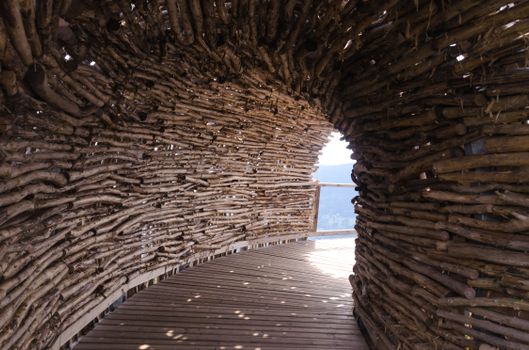
CNC and Digital Fabrication Computer-controlled milling and laser cutting have revolutionized custom woodwork, enabling intricate patterns, precise joinery, and repeatable designs. This has led to a new wave of decorative wall panels, room dividers, and sculptural installations that merge craftsmanship with cutting-edge technology.
Choosing the Right Wood Species for Modern Interiors
Selecting the appropriate wood species is crucial for achieving the desired look and performance in a modern interior. The table below compares some of the most popular choices:
| Wood Species | Color/Grain | Hardness (Janka) | Common Uses | Sustainability |
|---|---|---|---|---|
| White Oak | Light, straight grain | 1,360 lbf | Flooring, cabinetry, beams | Widely available, FSC options |
| Walnut | Dark brown, rich grain | 1,010 lbf | Feature walls, furniture | Moderately sustainable |
| Maple | Pale, subtle grain | 1,450 lbf | Flooring, built-ins | Abundant, sustainable |
| Teak | Golden brown, oily texture | 1,070 lbf | Bathrooms, kitchens | Less sustainable, check certification |
| Bamboo | Light to dark, uniform | 1,380 lbf (strand) | Panels, accents | Highly renewable |
When choosing a wood, consider not only its appearance but also its durability, environmental impact, and suitability for the intended application. For example, maple and white oak are ideal for high-traffic areas, while walnut and teak add luxury to accent features.
Integrating Woodwork with Other Modern Materials
One of the hallmarks of modern interior design is the harmonious blending of different materials. Woodwork assumes new prominence when paired thoughtfully with glass, metal, concrete, or stone.
Wood and Glass Combining wood with glass creates light, airy spaces. Frameless glass railings atop wooden stairs, or wood-framed glass partitions, offer transparency while maintaining warmth and texture.
Wood and Metal The juxtaposition of warm wood with cool metals such as brushed steel or blackened iron is a signature of contemporary style. Industrial-inspired kitchens often feature wooden cabinetry with metal handles, or shelving supported by steel frames.
Wood and Concrete Wood softens the starkness of concrete floors or walls, introducing warmth and a tactile contrast. A common approach is to use wood for ceilings or furnishings within spaces that feature exposed concrete.
These combinations allow designers to balance visual interest, comfort, and functionality, ensuring that woodwork feels fresh and relevant within modern interiors.
Conclusion: Timeless Material, Contemporary Expression
Incorporating woodwork into modern interior design is about more than paying homage to tradition; it’s about harnessing a timeless material in ways that suit today’s lifestyles and aesthetics. Whether through innovative techniques, creative combinations with other materials, or a renewed focus on sustainability, woodwork offers endless possibilities for personalization and enduring beauty. As trends continue to evolve, wood’s unique ability to adapt and inspire ensures its place at the heart of modern design for generations to come.