Hardwood floors are renowned for their beauty, durability, and timeless appeal, making them a favored choice for homeowners globally. This in-depth look at hardwood flooring will cover its key characteristics, benefits, and why it continues to be preferred over other flooring options.
Origin and Types of Hardwood
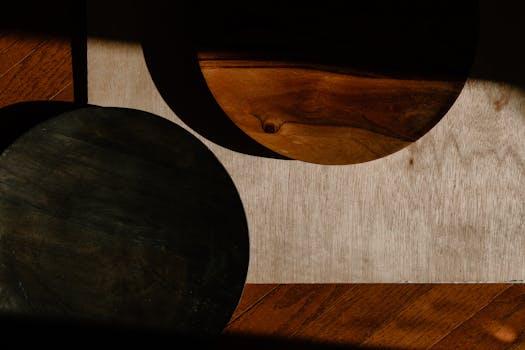
Hardwood flooring is crafted from solid wood procured from various trees, including oak, maple, cherry, and walnut. Each species offers unique shades, grains, and textures, providing a plethora of aesthetic choices. This diversity ensures that each hardwood floor is distinct, adding a personalized touch to any home.
.png)
Durability and Longevity
One of the standout features of hardwood flooring is its robustness. With proper care, these floors can last for decades or even generations. The natural composition and the specific processing methods contribute to hardwood's strength. The wood's density is also a key factor, with denser woods offering higher resistance to scratches, dents, and general wear.
Aesthetic Improvement Over Time
Hardwood floors are known to age gracefully, gaining a rich patina over the years that enhances their beauty. This natural aging process deepens the wood's color and highlights its charm, making older hardwood floors a coveted feature in homes.
Versatility in Design
Hardwood floors are exceptionally versatile and can seamlessly integrate into any interior design theme, whether modern or traditional. They can be stained in various hues, finished with different sheens, and even textured to accentuate the natural grain, making them suitable for every room in the house.
Environmental Impact
From a sustainability standpoint, hardwood floors are an excellent choice. Many are sourced from responsibly managed forests where trees are systematically replanted. Hardwood is also biodegradable and can be recycled or repurposed, offering an eco-friendly alternative to synthetic materials.
Maintenance
Caring for hardwood floors is relatively simple. Routine sweeping and occasional damp mopping are typically sufficient to maintain their appearance. It’s crucial to avoid excessive moisture and harsh chemicals, which can damage the wood. Specialized hardwood cleaning products are recommended for deeper cleans, helping to maintain the wood's luster and integrity.
Considerations and Installation
Despite its numerous benefits, hardwood flooring does have some limitations, particularly its sensitivity to moisture and humidity. These environmental factors can cause the wood to expand and contract, potentially leading to warping or cracking if not adequately managed. Thus, hardwood may not be the ideal choice for high-moisture areas like bathrooms or basements.
The installation process for hardwood floors is more complex and costly than some other options and generally requires professional expertise. However, the investment is often considered worthwhile, given the long-term value and durability provided by hardwood floors.
Conclusion
Hardwood flooring combines unmatched beauty with robust durability, making it a timeless addition to any home. Its unique natural variations ensure no two floors are exactly alike, while its ability to withstand the test of time makes it a practical investment. With responsible sourcing and ease of maintenance, hardwood floors continue to be a classic, sustainable flooring choice that homeowners cherish.