Woodworking is a time-honored craft that has captivated people across generations, from ancient artisans shaping tools by hand to modern hobbyists designing intricate furniture in their garages. While many hobbies come and go with trends, woodworking remains an enduring pastime, and for good reason. Far beyond simply sawing and sanding, woodworking offers a rich blend of creativity, practical skill-building, and personal satisfaction. Whether you’re looking for a relaxing outlet, a way to bond with family, or an opportunity to create beautiful and functional items, woodworking could be the perfect hobby for you. In this article, we’ll explore why woodworking is a hobby that truly welcomes everyone, regardless of age, background, or experience.
The Universal Appeal of Woodworking: Accessible to All
One of the most compelling reasons woodworking stands out as a hobby is its accessibility. Unlike pursuits that require expensive gear or years of training, woodworking invites people of all skill levels to jump in and start creating. According to a 2023 survey by the American Woodworking Association, nearly 40% of new woodworkers reported having little or no prior experience before starting their first project.
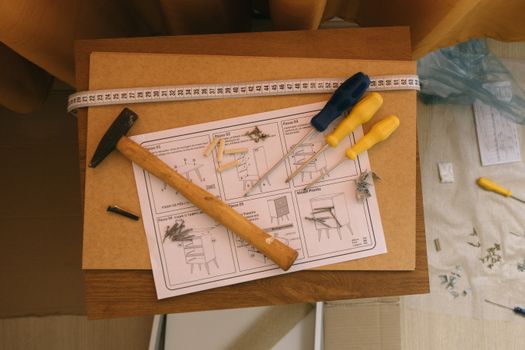
Entry-level woodworking doesn’t demand a massive investment. Basic tools such as a handsaw, hammer, measuring tape, and sandpaper can be purchased for under $100. Many local community centers and makerspaces offer inexpensive classes and access to communal tools, making it even easier to get started. Additionally, woodworking projects can be tailored to your comfort and skill level—from simple birdhouses or picture frames to elaborate furniture and decorative carvings.
.png)
Another aspect of woodworking’s inclusivity is its multigenerational appeal. Children, adults, and seniors can all find projects suited to their abilities. This makes it an excellent family activity, fostering collaboration and teaching valuable hands-on skills. In fact, a 2022 study found that 65% of adult hobbyist woodworkers introduced their children or grandchildren to the craft, highlighting its role in building family traditions.
Physical and Mental Health Benefits of Woodworking
Woodworking is more than just a way to pass the time—it also offers a range of health benefits. Physically, woodworking encourages movement, fine motor skills, and improved hand-eye coordination. Tasks like measuring, sawing, assembling, and finishing engage both the mind and body. Even light woodworking activities can burn between 150 and 200 calories per hour, making it a subtle way to incorporate activity into your routine.
The mental health benefits are equally impressive. Woodworking is known for its meditative qualities; focusing on a project helps reduce stress and promotes mindfulness. According to a 2021 report published in the Journal of Occupational Therapy, individuals who engaged in woodworking for just one hour a week reported a 25% reduction in feelings of anxiety compared to those who did not pursue hands-on hobbies.
Building something with your own hands brings a unique sense of accomplishment and boosts self-esteem. Every finished project, no matter how small, is a tangible reminder of your skills and creativity. For many, the act of creating something useful or beautiful provides deep personal satisfaction that extends far beyond the workshop.
Woodworking as a Creative Outlet: Unleash Your Imagination
Woodworking offers endless opportunities for creativity. With just a few tools and some imagination, you can transform a simple plank of wood into everything from practical storage solutions to intricate works of art. Unlike many crafts that follow strict patterns, woodworking encourages experimentation and personalization.
For example, a basic bookshelf can be customized with carved details, unique finishes, or unconventional shapes. DIY home décor projects—such as custom picture frames, candle holders, or wall art—allow you to put a personal stamp on your living space. For those who enjoy artistic expression, wood carving and whittling open up even more possibilities, from decorative figurines to elaborate sculptures.
Woodworking also allows you to blend other interests, such as electronics (think LED-lit furniture), metalworking, or upholstery. The sky’s the limit. This creative flexibility is one reason why 75% of woodworkers surveyed by Wood Magazine cited “expressing creativity” as their top motivation for pursuing the hobby.
Building Practical Skills and Self-Reliance
Beyond its artistic value, woodworking imparts a host of practical skills that can benefit you throughout life. Learning to read plans and blueprints, measure accurately, and follow step-by-step procedures are valuable skills in many contexts. Woodworking also encourages critical thinking and problem-solving; dealing with mistakes or improvising when you run out of materials teaches adaptability and resilience.
Even small projects can lead to greater self-reliance. Need a new shelf, a custom storage box, or a replacement part for a piece of furniture? With woodworking skills, you can create exactly what you need, often at a fraction of the cost of buying new. Over time, these abilities build confidence and resourcefulness.
According to the National Association of Home Builders, people who engage in DIY home improvement projects (many of which involve woodworking) save an average of $1,500 per year compared to hiring professionals. This cost-saving aspect makes woodworking not only a rewarding hobby but also a practical one.
Environmental and Economic Advantages of DIY Woodworking
In a world where sustainability is increasingly important, woodworking offers notable environmental benefits. Repurposing old furniture, reclaiming wood from pallets, or using locally sourced timber reduces waste and minimizes reliance on mass-produced goods. Many hobbyists take pride in giving new life to discarded materials, contributing to a circular economy.
It’s also worth considering the economic side. While woodworking can be enjoyed purely for pleasure, it can also become a lucrative side business. Handmade wooden items—such as toys, furniture, and décor—are in high demand on platforms like Etsy and at local craft fairs. According to Statista, the U.S. market for handcrafted goods reached $42 billion in 2023, with woodworking products making up a significant share.
Let’s compare woodworking with a few other popular hobbies in terms of startup cost, potential earnings, and environmental impact:
| Hobby | Average Startup Cost | Potential Yearly Earnings | Environmental Impact |
|---|---|---|---|
| Woodworking | $100 - $500 | $500 - $5,000+ | Low (with reclaimed wood) |
| Photography | $300 - $2,000 | $200 - $3,000 | Moderate (electronic waste) |
| Gardening | $50 - $400 | $100 - $1,000 | Low (sustainable) |
| Model Building | $75 - $600 | $100 - $1,500 | Moderate (plastic/material waste) |
| Painting | $50 - $300 | $100 - $2,000 | Low (if using eco-friendly materials) |
As the table shows, woodworking is highly competitive in terms of cost and environmental responsibility, especially when using reclaimed or sustainably sourced wood.
Community and Social Connections in Woodworking
Woodworking isn’t just a solitary pursuit; it’s also a fantastic way to connect with others. Across the globe, woodworking clubs, online forums, and social media groups bring together enthusiasts to share ideas, ask questions, and showcase their creations. The popularity of platforms like YouTube has fueled a surge in woodworking tutorials, with channels such as “Woodworking for Mere Mortals” and “April Wilkerson” boasting millions of subscribers.
Local woodworking clubs offer workshops, group builds, and opportunities to learn from experienced mentors. For many, these gatherings foster a strong sense of camaraderie and belonging. In fact, a recent survey by Fine Woodworking Magazine found that 82% of woodworkers participate in some kind of group activity or online community related to the hobby.
Woodworking also provides a way to give back. Many hobbyists donate handcrafted items to charities, schools, or community centers. From building free little libraries to crafting toys for children in need, woodworking offers countless opportunities to make a positive impact.
Final Thoughts: Why Woodworking is a Great Hobby for Everyone
Woodworking’s enduring popularity comes from its unique combination of accessibility, creativity, practical skill-building, and community. It welcomes people of all ages and backgrounds, offering projects tailored to every interest and ability level. Whether you’re seeking relaxation, personal achievement, or a way to connect with others, woodworking delivers abundant rewards.
Beyond the joy of creating, woodworking fosters self-reliance, supports sustainability, and even offers potential for extra income. As a hobby, it stands apart for its versatility and the deep sense of fulfillment it provides. If you’re searching for a pastime that engages your hands, mind, and heart, woodworking is a truly great choice for everyone.