Restoring antique wooden furniture is both an art and a science, offering a rewarding opportunity to preserve history, craftsmanship, and timeless beauty. Unlike simple repairs or modern refinishing, authentic restoration demands care, knowledge, and respect for the piece’s original character. Whether it’s a Victorian-era chair or a cherished family heirloom, proper restoration can dramatically extend the lifespan and value of antique wooden furniture. In this guide, we’ll walk you through the essential steps, materials, and methods to restore antique wooden pieces — emphasizing authenticity, safety, and long-term preservation.
Understanding Antique Furniture: What Makes It Unique?
Before diving into the restoration process, it’s crucial to understand what qualifies as antique wooden furniture and why it requires specialized care. Generally, furniture is considered antique if it is at least 100 years old, though this definition can vary by region and collector.
Antique pieces are often constructed from solid woods like oak, walnut, or mahogany, and feature hand-crafted joinery such as dovetails, mortise and tenon, or wooden pegs. These construction methods differ greatly from mass-produced modern furniture, which typically relies on veneers, composite woods, and mechanical fasteners.
.png) Key characteristics of antiques:
- Hand-cut joinery rather than machine-made.
- Original finishes, often shellac or wax, rather than modern polyurethane.
- Signs of wear consistent with age, such as patina, minor nicks, or fading.
Key characteristics of antiques:
- Hand-cut joinery rather than machine-made.
- Original finishes, often shellac or wax, rather than modern polyurethane.
- Signs of wear consistent with age, such as patina, minor nicks, or fading.
Restoration is about preserving these features, not erasing them. Over-restoring—removing all signs of age—can actually decrease the value of an antique by stripping away its historical character.
Assessment: Evaluating Condition and Historical Value
A successful restoration starts with a careful assessment. This stage determines whether restoration is advisable, what methods to use, and how to avoid inadvertently diminishing the piece’s value.
Start by examining: 1. Structure: Check for wobbling, cracking, or loose joints that threaten stability. 2. Finish: Identify the existing finish. Shellac and wax are common on antiques, while varnish and polyurethane are not. 3. Hardware: Original hardware (handles, hinges) adds value; replacements may indicate previous amateur repairs.If you’re unsure about the originality or worth of a piece, consider consulting a professional appraiser. According to the American Society of Appraisers, restoring a rare piece without proper expertise can reduce its value by up to 50%. On the other hand, careful, period-appropriate restoration can enhance or preserve value, especially for pieces with provenance or historical significance.
Preparation: Tools, Materials, and Safety Measures
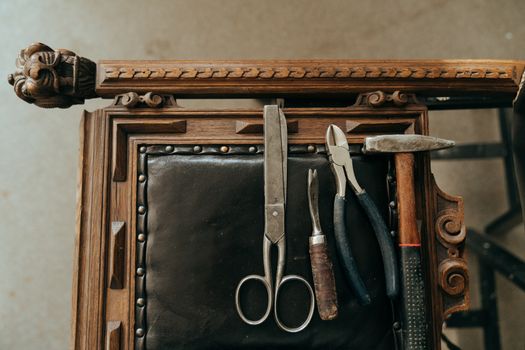
Restoration involves a range of materials and tools, many of which differ from those used in modern woodworking. Here’s a list of essentials for a typical project:
- Mild cleaners (such as Murphy Oil Soap) - Fine steel wool (#0000 grade) - Denatured alcohol (for shellac removal) - Natural bristle brushes - Cotton cloths - Wood glue (hide glue for authenticity) - Clamps - Replacement wood or veneer (matching species) - Shellac, wax, or period-appropriate finishSafety should never be overlooked. Many old finishes contain lead or other toxic substances. Always work in a well-ventilated area, wear gloves, and use a respirator when dealing with old paint or finishes. According to the U.S. Environmental Protection Agency, lead-based paint was commonly used on furniture before 1978, so it’s wise to test any suspicious finishes.
Cleaning and Minor Repairs: Preserving the Original Patina
Many antique pieces only require thorough cleaning and minor repairs to restore their beauty. In fact, aggressive stripping or sanding can erase the original surface — a key element of value known as patina.
Steps for cleaning and minor repairs: 1. Dusting: Use a soft brush or vacuum with a brush attachment to remove dust from crevices. 2. Cleaning: Apply a mild wood cleaner with a soft cloth, working in small sections. Avoid soaking the wood. 3. Stain Removal: For water rings or light stains, gently rub with #0000 steel wool dipped in paste wax or mineral oil. 4. Tightening Joints: Re-glue loose joints with hide glue, which is reversible and historically accurate. 5. Filling Small Cracks: Use a wax filler stick in a matching color to blend minor imperfections.A survey by the Furniture History Society found that over 60% of antique restoration projects only required cleaning and minor repairs, emphasizing the importance of restraint in the restoration process.
Restoring vs. Refinishing: Choosing the Right Approach
One of the most critical decisions in antique furniture restoration is whether to restore or refinish. Restoration aims to retain as much of the original material and finish as possible, while refinishing involves stripping and completely replacing the surface finish. Each approach has its pros and cons, as outlined below:
| Aspect | Restoring | Refinishing |
|---|---|---|
| Preserves Originality | High | Low |
| Value Retention | Best for antiques | May decrease value |
| Complexity | Moderate | Higher (stripping, sanding, re-finishing) |
| Typical Use | Valuable or historic pieces | Damaged or non-valuable items |
| Time Required | Shorter | Longer |
Experts generally advise restoration over refinishing for valuable antiques. Refinishing should only be considered if the original finish is damaged beyond repair or missing altogether.
Finishing Touches: Restoring Color and Protective Coatings
Once repairs and cleaning are complete, the next step is to restore luster and protect the wood. For most antique furniture, the original finish was either shellac, lacquer, or wax.
1. Shellac: Widely used in the 18th and 19th centuries, shellac is dissolved in alcohol and applied with a pad or brush. It dries quickly and can be built up in layers for a deep, warm glow. 2. Wax: Beeswax or carnauba wax is buffed onto the surface to provide a subtle sheen and protective layer. Waxing is ideal for pieces that retain their original finish. 3. Oil Finishes: Sometimes, a light application of boiled linseed or tung oil can refresh dry wood, but these should be used sparingly and only if appropriate to the period.Avoid modern polyurethane or acrylic finishes, as they can drastically alter the look and feel of antique wood. According to a 2021 report by the National Trust for Historic Preservation, applying modern finishes to antiques is one of the most common mistakes made by amateur restorers.
Common Restoration Challenges and How to Overcome Them
Antique furniture restoration can present a range of challenges, from missing veneer to insect damage. Here are some solutions to frequent problems:
- Veneer Loss: Use matching wood veneer and hide glue to patch missing areas. Sand and finish to match the surrounding surface. - Water Damage: For white water rings, gently rub with steel wool and wax. For black stains (indicative of deeper damage), professional treatment may be needed. - Hardware Replacement: If original hardware is missing, search for period-appropriate replacements from antique suppliers or restoration catalogs. - Insect Damage: Powderpost beetles and termites can devastate old wood. Treat affected areas with a borate-based solution and seal cracks to prevent re-infestation.A 2020 study by the Woodworking Network found that 1 in 4 antique furniture pieces showed signs of prior insect activity, underscoring the importance of thorough inspection and treatment during restoration.
Final Thoughts on Restoring Antique Wooden Furniture
Restoring antique wooden furniture is more than a home improvement task — it’s an act of stewardship. Each restored piece carries a story, a connection to the past, and a tangible example of craftsmanship rarely seen today. By approaching restoration with patience, respect for original materials, and the right techniques, you can breathe new life into cherished heirlooms and preserve them for generations to come.
Whether you’re caring for a family treasure or a rare find from an estate sale, the principles outlined above will help ensure your restoration is both beautiful and historically respectful.