Starting Your Woodworking Journey: The Top Ten Essential Tools Every Beginner Needs
Woodworking is a timeless craft that blends creativity, skill, and practicality. Whether you dream of building your own furniture, creating decorative pieces, or simply enjoying the meditative rhythm of shaping wood, every beginner needs the right tools to get started. With thousands of options available, it’s easy to feel overwhelmed. The key is to focus on the essentials—tools that offer versatility, reliability, and a strong foundation for skill-building. In this guide, we’ll introduce you to the top ten essential woodworking tools for beginners, explain why each one matters, and provide practical tips on selecting and maintaining them. By the end, you’ll be ready to set up your workspace with confidence—and avoid common pitfalls that hinder many new woodworkers.
Why Choosing the Right Woodworking Tools Matters for Beginners
The first step in woodworking is not the project itself, but assembling your toolkit. According to a 2022 survey by Woodworking Network, over 65% of beginners cite "choosing the right tools" as their biggest initial challenge. With so many specialized gadgets on the market, it’s tempting to buy more than you need. But investing in a carefully curated set of essentials will save you money, reduce clutter, and help you learn core techniques faster.
Many seasoned woodworkers agree that most beginner projects require less than a dozen basic tools. These tools are not only versatile but also serve as the building blocks for more advanced skills. The right selection ensures safety, efficiency, and a more enjoyable woodworking experience. Remember: quality matters more than quantity, especially when you’re starting out.
.png)
The Top Ten Essential Woodworking Tools for Beginners
To help you get started, here’s a breakdown of the ten most essential woodworking tools for beginners. This list emphasizes hand tools and basic power tools that offer maximum versatility and performance without overwhelming you with complexity.
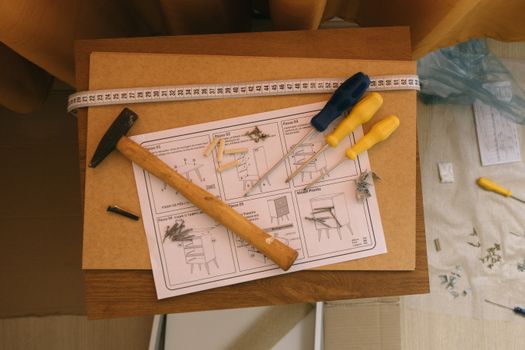
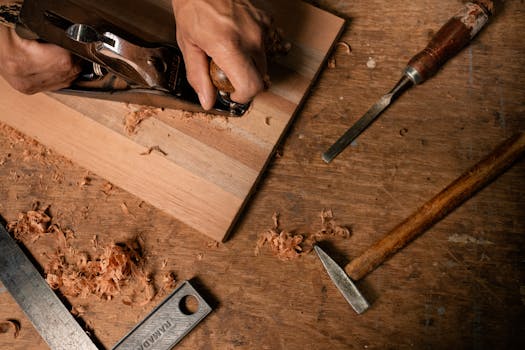
1. Tape Measure Accuracy is the foundation of good woodworking. A standard 25-foot locking tape measure is indispensable for precise measurements. Look for features like large, easy-to-read markings and a sturdy locking mechanism. Avoid cheap models that lose accuracy over time. 2. Combination Square A combination square helps you mark and measure perfect 90-degree and 45-degree angles, essential for joints, cutting, and layout. The best models have etched markings that won’t fade and a robust locking mechanism to ensure accuracy. 3. Claw Hammer A classic claw hammer (16-ounce) is vital for driving nails and general assembly. Choose one with a comfortable grip and balanced weight to reduce fatigue during prolonged use. 4. Chisels A set of three to four wood chisels (¼”, ½”, ¾”, and 1”) will cover most beginner needs, from mortises to fine details. Opt for chisels with high-carbon steel blades and comfortable wooden handles for durability and control. 5. Handsaw For straight, clean cuts in wood, a 15- to 20-inch handsaw is ideal. Beginners should start with a universal panel saw, which works well on both hard and softwoods. 6. Power Drill A cordless power drill is one of the most versatile tools you’ll own, capable of drilling holes, driving screws, and even sanding with the right attachments. Look for a model with at least 12V of power, variable speed settings, and a keyless chuck for easy bit changes. 7. Circular Saw A circular saw is the first power saw most woodworkers purchase. It makes quick, straight cuts in lumber, plywood, and sheet goods. For beginners, a 7¼-inch circular saw with a built-in laser guide can make learning easier and safer. 8. Random Orbital Sander Smooth surfaces are crucial for quality results. A random orbital sander offers fast, swirl-free sanding and is much easier to control than a belt sander. Models with dust collection are preferable to keep your workspace clean. 9. Workbench with Clamps A solid, flat workbench is the heart of any woodworking shop. Integrated clamps or a vise are essential for holding workpieces steady during cutting, sanding, or assembly. If space is limited, look for a foldable portable workbench. 10. Marking Gauge Precision marking is vital for joinery and cutting. A marking gauge scores fine, consistent lines parallel to an edge—a must-have for layout work.Comparing Hand Tools vs. Power Tools: What Should Beginners Buy First?
One of the most common questions newcomers ask is whether to invest in hand tools or power tools first. Both types have their strengths, and the answer depends on your budget, space, and project goals. Here’s a comparative overview to help you decide:
| Tool Type | Pros | Cons | Best For |
|---|---|---|---|
| Hand Tools | Affordable, quiet, safer, better for learning technique, portable | Slower, physically demanding, may require sharpening | Beginners, small projects, traditional woodworking |
| Power Tools | Fast, efficient, handle large projects, consistent results | More expensive, require safety precautions, need electricity/batteries | Projects with many repetitive cuts, advanced work, limited time |
A 2021 study by Fine Woodworking Magazine found that 70% of beginners start with hand tools and gradually add power tools over time. Many experts recommend learning basic hand tool skills first, as this builds a solid foundation for safe and precise work.
How to Choose Quality Tools Without Breaking the Bank
Your initial toolkit doesn’t need to cost a fortune. The global hand tool market is valued at over $20 billion, with hundreds of brands vying for your attention. Here are four tips for maximizing value:
1. Buy the Best You Can Afford For critical tools like chisels, squares, and saws, choose quality over quantity. A $30 chisel that holds an edge is better than a $10 set that constantly chips. Read reviews and ask local woodworkers for recommendations. 2. Consider Used Tools Many high-quality hand tools last decades. Check local classified ads, estate sales, or online marketplaces for gently used bargains. Reputable vintage brands like Stanley, Disston, and Record often outperform modern budget tools. 3. Avoid Gimmicks Tools with unnecessary features or "unique" designs rarely outperform tried-and-true classics. Stick with basic, well-reviewed models until you know exactly what specialized features you need. 4. Invest in Safety Never skimp on protective equipment. Safety glasses, hearing protection, and dust masks are non-negotiable, especially when using power tools.Setting Up Your First Woodworking Workspace
A well-organized workspace makes woodworking safer and more enjoyable. Even if you don’t have a dedicated shop, you can start in a garage, basement, or outdoor shed. Here are some pointers for beginners:
- Lighting: Good lighting reduces mistakes and accidents. LED shop lights are affordable and easy to install. - Storage: Use wall-mounted racks or pegboards to keep your tools organized and within reach. - Dust Control: Wood dust is hazardous; use a shop vacuum or dust collection system whenever possible. According to OSHA, wood dust exposure can cause respiratory issues, so keep your area clean. - Bench Space: Even a compact workbench (2’ x 4’) is enough for most starter projects. If space is tight, a fold-out table can work in a pinch.Safety is paramount. The Consumer Product Safety Commission reports that woodworking accidents result in over 100,000 emergency room visits annually in the U.S. alone. Make it a habit to put safety first, especially as you learn new tools and techniques.
Maintaining Your Woodworking Tools for Longevity
Proper maintenance extends tool life and ensures better results. Here’s how to care for your essential tools:
- Keep Blades Sharp: Dull tools are dangerous and inefficient. Sharpen chisels and saws regularly using honing guides and sharpening stones. - Prevent Rust: Wipe metal parts with a light coating of machine oil after use, especially if you live in a humid climate. - Store Properly: Hang tools or store them in drawers lined with tool mats to prevent damage and moisture buildup. - Clean Power Tools: Blow out dust after each use and check cords and batteries for wear. - Replace Consumables: Swap out old sandpaper, drill bits, and blades promptly to maintain performance.A little maintenance goes a long way—well-cared-for tools can last for decades, and even become heirlooms.
Bringing It All Together: Your Path to Woodworking Success
Embarking on your woodworking journey is both exciting and rewarding. With just ten essential tools, you’ll be equipped to tackle a wide range of beginner projects and develop skills that last a lifetime. Focus on quality, safety, and gradual skill-building, and you’ll avoid the frustration that derails many new woodworkers. As you gain experience, you’ll naturally discover which specialized tools you need for your particular interests—whether it’s cabinetry, carving, or furniture making.
Remember, woodworking is not just about tools, but about the joy of creating something with your own hands. Start small, practice patience, and celebrate your progress. Your toolkit is the foundation of your craft—choose wisely, maintain diligently, and let your creativity flourish.