Woodworking combines precision, creativity, and skill, and having the right tools is crucial for any project, from basic furniture to intricate crafts. For those just starting out or looking to refine their workshop, this guide provides a comprehensive overview of essential woodworking tools.
Hand Tools for Woodworking
- Hammer: A sturdy claw hammer is indispensable for driving nails, fitting parts, and occasional demolition. Choose one that feels balanced and comfortable in your hand.
- Tape Measure: Accuracy is key in woodworking. A durable tape measure that extends at least 25 feet will accommodate most projects.
- Chisels: For detailed carving and shaping, a set of wood chisels made from high-quality steel is necessary. These come in various sizes to suit different tasks.
- Screwdrivers: Essential for assembly, a diverse set of screwdrivers (including both flathead and Phillips heads) will ensure you're prepared for any screw type.
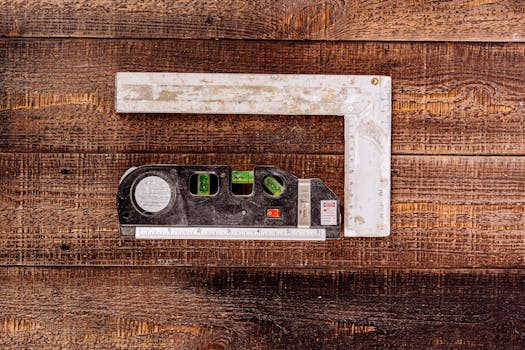
- Level: Ensure your projects are perfectly aligned with a reliable level. This tool is critical for constructing shelves, frames, and other structures that require exactness.
- Utility Knife: Ideal for marking and making precise cuts in wood, a utility knife with replaceable blades will maintain sharpness and efficiency.
Power Tools for Woodworking
.png)
- Circular Saw: For making quick and straight cuts across a range of materials, a circular saw is a must-have. Opt for one with adjustable settings to handle various wood thicknesses.
- Power Drill: A versatile tool, the power drill is used for boring holes and driving screws. Cordless models offer added mobility and convenience.
- Jigsaw: Perfect for cutting curves and complex shapes, a jigsaw with variable speed settings provides control and precision for intricate cuts.
- Sander: Achieve a flawless finish with a power sander. Whether you choose a belt sander for large areas or an orbital sander for finer work, this tool saves time and energy.
- Router: Essential for decorative edging, inlays, and joineries like dovetails, a router enhances the versatility and aesthetics of your woodworking projects.
Safety Equipment
Safety should never be overlooked in woodworking. Always wear protective gear, including:
- Safety Glasses: Protect your eyes from sawdust and flying particles.
- Ear Protection: Preserve your hearing in the long term by wearing earplugs or earmuffs, especially when using loud power tools.
- Work Gloves: Protect your hands from splinters, cuts, and abrasions.
Maintaining Your Woodworking Tools
To ensure durability and optimal performance, regular maintenance of your tools is crucial:
- Cleaning: Remove debris and dust after each use.
- Sharpening: Keep cutting tools like chisels and saw blades sharp.
- Storage: Store tools in a dry environment to prevent rust and decay.
- Inspection: Regularly check power tools for signs of wear or damage, such as loose components or unusual noises.
Conclusion
Building a comprehensive toolkit is the foundation of successful woodworking. By selecting the right tools and caring for them properly, you enhance both your efficiency and the quality of your projects. Whether you're crafting a simple bookshelf or a complex heirloom piece, the right tools will help you achieve your creative vision with precision and safety. Start assembling your essential toolkit today and unlock the full potential of your woodworking skills.