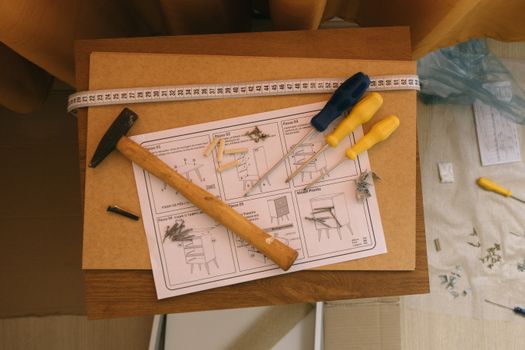
Thinking about turning your passion for woodworking into a successful business? You’re not alone. According to the U.S. Bureau of Labor Statistics, the woodworking industry employs over 270,000 people nationwide, with small businesses and independent shops making up a significant portion of the field. Whether you dream of custom furniture making, crafting unique home décor, or building specialty structures, starting your own woodworking business is an exciting journey that blends creativity, craftsmanship, and entrepreneurship. In this guide, we’ll walk you through each crucial step to help you launch, grow, and thrive in your woodworking venture.
Crafting Your Woodworking Business Vision
Before you purchase new tools or rent a workshop, spend time defining your business vision. What type of woodworking do you want to specialize in? Are you passionate about high-end bespoke furniture, rustic home accents, cabinetry, or perhaps eco-friendly products made from reclaimed wood? Your chosen niche will influence every aspect of your business—from the tools you need, to your marketing strategy, to your target customers.
Start by researching what’s in demand in your local area or online. For instance, a 2023 market survey found that demand for custom furniture and personalized wood gifts grew by over 18% in the last two years, especially on platforms like Etsy and Amazon Handmade. Identifying your unique selling proposition (USP)—the thing that makes your work stand out—will help you position your business for success.
.png) Questions to guide your vision:
- Who are your ideal customers? (Homeowners, businesses, designers, etc.)
- What types of products do you enjoy making most?
- How do your skills and style differ from competitors?
Questions to guide your vision:
- Who are your ideal customers? (Homeowners, businesses, designers, etc.)
- What types of products do you enjoy making most?
- How do your skills and style differ from competitors?
Clearly articulating your business mission and goals at the outset will help you stay focused as you move forward.
Setting Up Your Workshop: Tools, Space, and Safety
Your workshop is the foundation of your woodworking business. Whether you’re converting your garage, renting a commercial space, or creating a backyard studio, it’s essential to optimize your workspace for efficiency and safety.
Key considerations include: - $1 At minimum, a 200-300 square foot area is recommended for a small woodworking operation. For larger projects, you might need 500+ square feet. - $1 The average startup cost for a professional woodworking tool set ranges from $3,000 to $10,000, depending on new versus used equipment and your specialty. Core tools often include a table saw, miter saw, band saw, drill press, router, jointer, planer, and various hand tools. - $1 Wood dust is a serious health hazard. Invest in a dust collection system and ensure your workspace is well-ventilated. - $1 Always have safety goggles, ear protection, gloves, and a first-aid kit on hand. According to the Consumer Product Safety Commission, there are over 66,000 woodworking-related injuries annually in the U.S.—most of which are preventable.Organize your workshop so that materials and tools are easily accessible and workflow is logical. An efficient, safe workspace will save you time, reduce waste, and help maintain consistent product quality.
Business Planning: Legal, Financial, and Insurance Essentials
Turning your woodworking passion into a business requires more than just skill with a saw. Setting up the right legal and financial structure is crucial for long-term success and stability.
Here’s a checklist of business setup essentials:
- $1 Decide whether to operate as a sole proprietorship, LLC, or corporation. An LLC is often favored by small woodworking shops for its balance of simplicity, tax benefits, and liability protection. - $1 Requirements vary by state and locality. Most woodworking businesses need a general business license, sales tax permit, and sometimes specific woodworking or manufacturing permits. - $1 At a minimum, get general liability insurance to protect against accidents or property damage. Product liability insurance is also recommended, especially if you sell furniture or items that could cause injury. - $1 Open a business bank account and set up basic accounting software. This will help you track expenses, income, and taxes efficiently. According to SCORE, 82% of small business failures are due to poor cash flow management—avoid this by staying organized from day one.The following table compares common business structures for woodworking startups:
| Business Structure | Setup Cost | Liability Protection | Taxation | Best For |
|---|---|---|---|---|
| Sole Proprietorship | $0-$100 | None | Personal tax rate | Low-risk, one-person startups |
| LLC | $100-$500 | Yes | Pass-through or corporate | Most woodworking businesses |
| Corporation | $500-$1,500 | Yes | Corporate tax rate | Larger operations or those seeking investors |
Take the time to talk with a small business attorney or accountant familiar with your state’s requirements before you launch.
Building Your Brand and Marketing Your Woodworking Business
In today’s digital-first world, building a recognizable brand and marketing your business effectively are just as important as your skills in the shop. Branding goes beyond a logo—it’s how customers perceive you, your story, and your products.
Here’s how to get started:
- $1 Choose a memorable business name and create a professional logo. It’s worth investing in a simple, visually appealing design. - $1 According to a 2022 survey by the Small Business Administration, 70% of consumers research businesses online before making a purchase. A clean, easy-to-navigate website with high-quality photos of your work, a list of services, and customer testimonials is essential. - $1 Platforms like Instagram, Facebook, and Pinterest are vital for woodworking businesses. Share progress photos, finished projects, behind-the-scenes content, and customer stories to engage potential buyers. - $1 Consider selling on Etsy, eBay, or custom furniture platforms to reach a wider audience. In 2023, Etsy reported over 96 million active buyers, making it a powerful platform for artisans. - $1 Don’t underestimate the power of local craft fairs, markets, and partnerships with interior designers or homebuilders. Word-of-mouth remains a powerful marketing tool.Remember, consistency is key. Use the same colors, fonts, and voice across all your marketing materials to reinforce your brand’s identity.
Pricing, Production, and Managing Orders Efficiently
One of the biggest challenges for new woodworking business owners is setting the right prices for their products. Pricing too low can lead to burnout and financial losses, while pricing too high may scare away customers. Consider these factors:
- $1 Keep a detailed record of what each project costs in materials. - $1 Track the actual time you spend on each piece. A 2021 survey by Woodworking Network found that most small woodworking shops charge $35-$60 per hour for labor. - $1 Don’t forget to include utilities, rent, insurance, tool maintenance, and marketing expenses. - $1 Aim for a profit margin of at least 20-30% above your total costs. This allows for reinvestment and sustainable growth.As your business grows, you’ll need to manage multiple orders, deadlines, and customer communications. Simple project management tools like Trello or Asana can help keep you organized. For larger operations, specialized woodworking business software can track inventory, manage quotes, and automate invoicing.
Scaling Up: Growth Strategies for Your Woodworking Business
Once your woodworking business is established, consider strategies to expand your reach, increase sales, and streamline operations.
Some proven growth tactics include:
- $1 Add new items that complement your main offerings, such as wooden kitchenware, cutting boards, or home accents. - $1 Offering customization can set you apart from mass-produced alternatives and often commands a higher price. - $1 Teaching woodworking workshops can bring in extra income and build your brand in the local community. - $1 Partner with local retailers, designers, or contractors to offer your products in stores or as part of larger projects. - $1 Upgrading to CNC machines or laser cutters can boost productivity and open up new creative possibilities.Don’t forget to solicit feedback from customers and adapt your offerings to changing trends. For example, as sustainability becomes increasingly important, consider using reclaimed wood or eco-friendly finishes to appeal to environmentally conscious buyers.
Final Thoughts: Launching a Successful Woodworking Business
Starting a woodworking business is a rewarding way to turn your skills and passion into a thriving enterprise. By carefully planning your business vision, setting up a safe and efficient workshop, navigating legal and financial requirements, building a strong brand, and pricing your work appropriately, you can lay the foundation for long-term success. With dedication and a focus on quality, your business can grow from a small side hustle into a profitable full-time career—one beautiful project at a time.