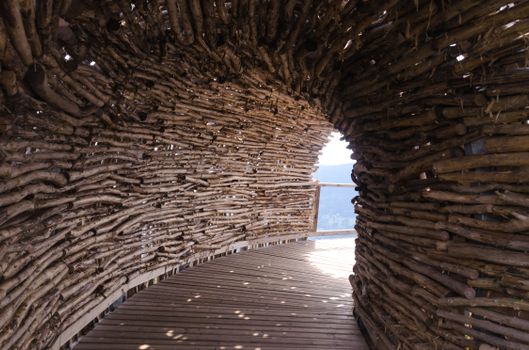
Wood has shaped human civilization for millennia. From ancient temples and medieval cathedrals to innovative skyscrapers of the 21st century, wood has been a defining element in architecture. While many people appreciate its warmth and natural beauty, the architectural importance of wood goes far beyond its pleasing appearance. It encompasses structural ingenuity, environmental sustainability, cultural symbolism, and modern technological advances. In this article, we’ll explore how wood has become—and remains—a cornerstone of architecture, influencing design, engineering, and the way we experience built spaces.
Wood as a Structural Powerhouse in Architecture
One of the most significant reasons for wood’s enduring presence in architecture is its remarkable structural versatility. Historically, civilizations worldwide—from Scandinavia’s stave churches to the timber-framed houses of Japan—have relied on wood for its strength-to-weight ratio, flexibility, and availability.
Modern engineered wood products, such as cross-laminated timber (CLT), have revolutionized what’s possible in contemporary construction. CLT panels can bear loads comparable to concrete and steel, yet they are five times lighter. According to the Council on Tall Buildings and Urban Habitat, the Mjøstårnet building in Norway, completed in 2019, stands at 85.4 meters (18 stories), making it the world’s tallest timber building at the time. This is a testament to how engineered wood is redefining high-rise design.
.png)
In addition, wood’s inherent flexibility makes it more resilient to seismic activity than rigid materials like stone or concrete. In earthquake-prone Japan, traditional wooden pagodas have stood for centuries, surviving shocks that crumbled more massive stone structures.
The Environmental Significance of Wood in Sustainable Design
As climate change accelerates, the architectural importance of wood has grown due to its environmental advantages. Unlike concrete and steel, which together account for about 15% of total global CO2 emissions, wood is a renewable resource that sequesters carbon during tree growth. According to the Food and Agriculture Organization (FAO), one cubic meter of wood contains around one ton of sequestered CO2.
Wood-based construction also generally requires less energy for processing and transportation. A 2022 study published in the journal “Sustainable Cities and Society” found that mass timber buildings can reduce embodied carbon emissions by up to 60% compared to conventional concrete buildings.
Furthermore, responsibly sourced timber—certified by organizations such as the Forest Stewardship Council (FSC)—ensures that forests are managed sustainably, supporting biodiversity, soil health, and local economies.
Aesthetic, Acoustic, and Thermal Qualities of Wood
Wood’s architectural importance is not only technical but sensory. Its warm tones, organic patterns, and ability to fit both rustic and modern aesthetics make it a perennial favorite among architects and interior designers.
Beyond looks, wood also excels in functional performance:
- Acoustic Properties: Wood’s porous structure absorbs sound, reducing echo and noise in large spaces. This is why concert halls and recording studios often feature wood paneling or flooring. - Thermal Insulation: Wood is an excellent natural insulator. Its low thermal conductivity helps maintain comfortable indoor temperatures, reducing reliance on heating and cooling systems. - Psychological Impact: Studies show that exposure to wood in built environments can reduce stress and improve well-being. The University of British Columbia found that students in wood-finished classrooms reported higher levels of comfort and relaxation compared to those in standard rooms.Historic and Cultural Significance of Wood in Architecture
Wood’s role in architecture is deeply intertwined with culture and heritage. In many parts of the world, wooden structures are iconic symbols of local identity, craftsmanship, and tradition.
For example, Norway’s stave churches, built in the 12th and 13th centuries, are UNESCO World Heritage sites celebrated for their intricate wooden frameworks and carvings. In the United States, covered wooden bridges (over 10,000 built in the 19th century) remain beloved historical landmarks.
In Asian architecture, wood has been central to both spiritual and domestic spaces. The Hōryū-ji temple in Japan, constructed around 607 AD, is one of the world’s oldest surviving wooden buildings. Its enduring structure highlights the longevity and significance of wood in architectural traditions.
Technological Innovations: The Future of Wood in Modern Architecture
Recent advancements are pushing wood beyond traditional boundaries, making it a front-runner in 21st-century architecture. Engineered wood products—such as CLT, laminated veneer lumber (LVL), and glue-laminated timber (glulam)—offer enhanced strength, uniformity, and fire resistance.
These materials enable architects to design larger, taller, and more complex structures with wood than ever before. For example, the 25 King office building in Brisbane, Australia, utilizes over 3,500 cubic meters of sustainably sourced timber, reducing embodied carbon while offering a visually striking interior.
Digital fabrication and computer-aided design (CAD) have further expanded possibilities. Precision-cut wooden components can now be assembled rapidly on-site, reducing waste and construction time. Prefabricated timber systems are gaining traction for residential, commercial, and even infrastructure projects.
Here’s a comparison of traditional solid wood and modern engineered wood products:
| Property | Traditional Solid Wood | Engineered Wood (e.g., CLT, LVL, Glulam) |
|---|---|---|
| Strength-to-Weight Ratio | High, but variable by species | Consistently high, customizable |
| Span Capability | Limited by tree size | Large spans possible (20+ meters) |
| Fire Resistance | Burns, but chars to protect core | Enhanced, predictable charring rates |
| Dimensional Stability | Prone to warping with humidity | Highly stable, less susceptible to warping |
| Sustainability | Depends on sourcing | Often made from fast-growing species, less waste |
Wood’s Role in Biophilic and Healthy Building Design
Another area where wood’s architectural importance shines is in biophilic design—a concept that seeks to connect people with nature through building elements. Wood’s natural textures, patterns, and even scents contribute to spaces that feel welcoming and restorative.
Research from the University of Salford in the UK found that offices incorporating biophilic materials like wood can boost productivity by up to 8% and well-being by 13%. In healthcare, wooden interiors have been shown to lower blood pressure and heart rates among patients, supporting faster recovery.
Biophilic design is not just a trend; it’s becoming a key element in certifications like WELL and LEED, which encourage the use of sustainable, health-promoting materials in buildings.
Final Thoughts on the Architectural Importance of Wood
From ancient temples to cutting-edge skyscrapers, wood continues to play a vital role in architecture. Its unique blend of structural strength, environmental benefits, sensory appeal, and cultural resonance ensures that wood remains an irreplaceable material in both tradition and innovation.
As the world demands greener, healthier, and more beautiful built environments, architects and builders are rediscovering the full potential of wood. The latest technologies only amplify what has always made wood special—its ability to shape not just buildings, but the way we live, work, and connect with our surroundings.