The Art of Turning Wood: A Comprehensive Guide
The rhythmic hum of a lathe, the scent of freshly shaved timber, and the transformation of a humble block into a work of art—these are hallmarks of woodturning, a centuries-old craft that brings out the beauty within wood. Unlike other woodworking disciplines that focus on joinery or carving, woodturning uses a rotating axis to sculpt symmetrical, functional, and decorative objects. From delicate bowls to ornate candlesticks and artistic sculptures, woodturning is both an expressive art form and a practical skill.
In recent years, woodturning has experienced a renaissance, with makers of all ages and backgrounds discovering its meditative and rewarding nature. Whether you’re a curious beginner or a seasoned craftsman looking to deepen your knowledge, understanding the nuances of woodturning can open up a world of creative opportunities. This guide will explore the essential tools, techniques, wood types, safety practices, and the thriving global community that supports this fascinating craft.
What Sets Woodturning Apart from Other Woodworking Disciplines?
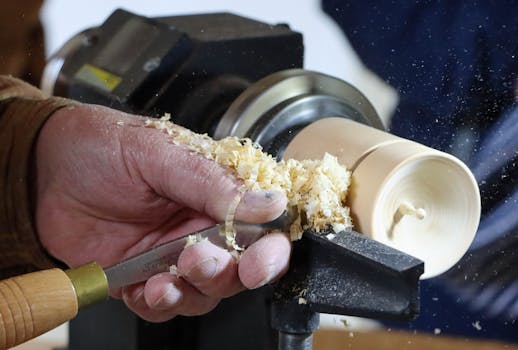
Woodturning is distinct within the realm of woodworking due to its reliance on symmetry and its unique toolset. Unlike traditional woodworking—which involves sawing, planing, and assembling—woodturning employs a lathe to hold and spin the wood while the artisan shapes it with handheld tools. This process produces objects that are perfectly round, such as table legs, bowls, pens, and vases.
.png)
A key factor that differentiates woodturning is its speed and immediacy. While making a mortise and tenon joint or carving a relief can take hours, some turned objects can be completed in under 30 minutes. Woodturning also allows for a high degree of improvisation and creativity, as the outcome can change with each pass of the tool.
Another crucial distinction is the level of finesse required to maintain symmetry and smooth finishes, especially at high speeds. According to the American Association of Woodturners, the craft has grown by more than 30% in membership since 2010, reflecting its growing appeal and accessibility.
Essential Tools and Equipment for Woodturning
Getting started in woodturning requires some specialized tools and machinery, but it’s possible to begin with a modest investment. Here’s a breakdown of the core equipment:
Lathe: The heart of the operation, a lathe holds and spins the wood. Lathes come in various sizes, with mini lathes starting as small as 30 pounds and industrial models weighing over 1,000 pounds. For beginners, a midi lathe (with a 12-14 inch swing and 16-20 inch bed) offers an excellent balance between size and functionality.
Turning Tools: The most common are gouges (spindle, bowl, and roughing), skews, parting tools, and scrapers. High-speed steel (HSS) tools are favored for their durability and sharpness retention.
Chucks and Faceplates: These accessories secure the wood to the lathe. Chucks allow for intricate work and easy repositioning, while faceplates provide a stable mount for larger blanks.
Sharpening Systems: Keeping tools razor-sharp is critical for safety and quality. An 8-inch bench grinder with specialized jigs is standard in most workshops.
Protective Gear: Face shields, dust masks, and ear protection are essential. According to a 2022 survey by Woodworkers Journal, over 65% of injuries in woodturning are related to inadequate eye or face protection.
Sandpaper and Finishes: Turning produces fine surfaces, but sanding and finishing are necessary for a professional look. Micro-mesh pads and food-safe oils are popular choices.
| Tool/Equipment | Purpose | Beginner Price Range (USD) |
|---|---|---|
| Mini/Midi Lathe | Spins the wood blank | $250-$700 |
| Turning Tool Set (5-6 pieces) | Shapes the wood | $75-$200 |
| Chuck | Holds the workpiece securely | $100-$200 |
| Bench Grinder & Jigs | Sharpens tools | $80-$180 |
| Face Shield | Eye/face protection | $25-$50 |
Choosing the Right Wood for Turning
Not all woods are created equal when it comes to turning. The best species combine workability, beauty, and stability. Woodturners often choose from both hardwoods and softwoods, depending on the project’s requirements.
Hardwoods: Maple, cherry, walnut, and ash are favorites for their fine grain and minimal tendency to split. Exotic hardwoods like cocobolo or ebony are prized for their color and density but can be challenging to source and work with.
Softwoods: Pine and cedar are easier to shape but may not hold details as crisply. They’re ideal for practice or rustic projects.
Green vs. Seasoned Wood: “Green” wood refers to freshly cut timber with high moisture content. Many turners enjoy working with green wood as it’s softer and easier to shape, but it can warp or crack as it dries. Seasoned wood is more stable but tougher on tools.
Burls and Figured Woods: Burls (knotted, irregular growths) and woods with curl or spalting offer striking patterns and are highly sought after for artistic pieces. However, their unpredictable grain can cause catches or tool chatter, requiring extra skill.
A 2023 survey by the Woodturners of America found that maple (32%), cherry (24%), and walnut (19%) are the most popular species among U.S. woodturners.
Core Techniques and Project Types in Woodturning
Woodturning encompasses a broad range of techniques, each suited to different types of projects. Here are some of the primary approaches:
Spindle Turning: This involves shaping long, narrow pieces (like table legs or pens) mounted between the lathe’s centers. The grain runs parallel to the bed of the lathe, allowing for clean cuts and detailed profiles.
Faceplate Turning: Used primarily for bowls, platters, and hollow forms, the wood blank is attached perpendicular to the lathe’s axis. This method exposes more end grain, which can be challenging but allows for wide, shallow shapes.
Hollowing: Creating vessels with narrow openings (like vases or urns) requires specialized hollowing tools and a steady hand. Depth, wall thickness, and evenness are key challenges.
Segmented Turning: Rather than turning a single block, segmented turning involves gluing together multiple pieces in intricate patterns before shaping. This technique enables large, visually complex projects.
Finishing and Decoration: Once turned, pieces are sanded to a silky smoothness and finished with oils, waxes, or lacquers. Decorative techniques such as burning (pyrography), coloring, or inlay can further enhance the final piece.
According to Fine Woodworking magazine, more than 70% of woodturners start with basic spindle projects like tool handles and progress to bowls and hollow forms within their first two years.
Safety and Best Practices for Enjoyable Woodturning
Safety is paramount in woodturning, as the combination of spinning machinery and sharp tools presents unique risks. Here are key guidelines for safe and enjoyable turning:
Personal Protective Equipment: Always wear a full-face shield to guard against flying debris. Dust masks are crucial, especially when sanding, as wood dust can cause respiratory issues.
Proper Tool Handling: Maintain a firm grip and brace your hands against the tool rest. Present the tool to the wood at the correct angle to prevent “catches,” which can cause sudden, dangerous movement.
Lathe Speed: Adjust the lathe’s speed to match the size and type of workpiece. Larger or unbalanced pieces should be turned at lower speeds (around 500-800 RPM), while smaller, balanced spindles can be safely turned at higher speeds (up to 3,000 RPM).
Workpiece Inspection: Always check for cracks, knots, or foreign objects (like nails) before mounting. These can cause the wood to shatter during turning.
Sharp Tools: Dull tools require more force and are more likely to slip or catch. Regular sharpening is essential not just for quality, but also for safety.
Workspace Organization: Keep your area tidy and free of clutter. Store tools within arm’s reach but never on the lathe bed, as they could become projectiles.
A 2021 analysis by the National Institute for Occupational Safety and Health (NIOSH) found that adherence to basic safety protocols reduces woodturning accidents by more than 60%.
The Global Community and Artistic Possibilities of Woodturning
Woodturning is not only a solitary pursuit but also a vibrant, collaborative art form with a thriving global community. From local clubs to international exhibitions, woodturners share tips, showcase their work, and inspire one another.
Clubs and Associations: Organizations like the American Association of Woodturners (AAW) and the Association of Woodturners of Great Britain (AWGB) host workshops, competitions, and demonstrations. As of 2024, the AAW boasts over 16,000 members and 365 local chapters.
Online Resources: The digital age has expanded access to learning, with video tutorials, online forums, and virtual symposiums. Platforms like YouTube and Instagram feature thousands of creators documenting their process and sharing inspiration.
Artistic Recognition: Museums and galleries increasingly recognize woodturning as a legitimate art form. Notable artists such as David Ellsworth and Binh Pho have elevated the craft through innovative techniques and creative vision.
Economic Impact: According to IBISWorld, the U.S. woodworking market, including turning, generated $8.2 billion in 2023, with custom and artistic wood products representing a growing segment.
From practical items like salad bowls and rolling pins to intricate sculptures, the possibilities are limited only by imagination. Many woodturners find the process meditative and deeply satisfying, connecting them to both tradition and innovation.
Final Reflections on Mastering the Art of Turning Wood
Woodturning stands at the crossroads of function and beauty, demanding both precision and creativity from its practitioners. With the right tools, a spirit of curiosity, and a commitment to safety, anyone can explore this rewarding craft. As you gain experience, your skills will open doors to endless projects—from utilitarian kitchenware to heirloom-quality art pieces. Perhaps most importantly, woodturning offers a unique way to connect with the natural world, transforming raw timber into lasting objects of beauty and utility.
Whether you’re inspired by the meditative rhythm of the lathe or the sheer variety of artistic possibilities, the art of turning wood is a journey well worth taking.