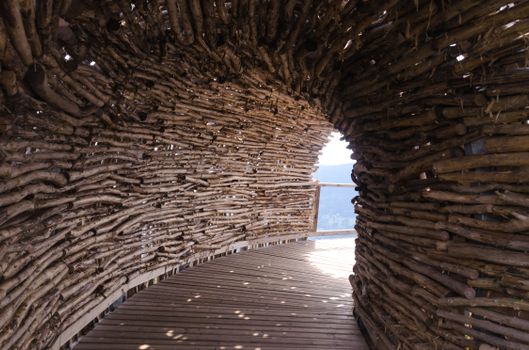
Woodworking stands as one of humanity’s oldest crafts, shaping not only the tools and furnishings of daily life but also the very structures in which people have lived, worshipped, and governed for millennia. In historic architecture, woodworking is far more than a mere construction technique—it is a fundamental pillar that supports, adorns, and defines eras. From soaring timber frames in medieval cathedrals to intricate joinery in colonial mansions, the role of woodworking in historic architecture is as diverse as it is essential. This article explores how woodworking has influenced architectural styles, preserved cultural identity, enabled engineering marvels, and continues to inform the restoration and conservation of historical buildings today.
The Foundation of Historic Structures: Wood as a Primary Building Material
Long before the widespread use of steel and concrete, wood was the backbone of construction across continents. Archaeological evidence dates wooden dwellings back over 10,000 years. In Europe, half-timbered houses, such as those found in Germany’s medieval towns, are enduring examples of wood’s central place in architecture. In Japan, the Hōryū-ji temple complex, built in the 7th century, is among the world’s oldest surviving wooden structures—testament to the longevity of well-crafted timber buildings.
The advantages of wood in historic architecture are clear: - $1: Forests provided readily available material. - $1: Wood’s relative softness allowed intricate carving and joinery with hand tools. - $1: When properly selected and seasoned, woods like oak, cedar, and teak could support massive roofs and long spans.For example, the use of English oak in England’s medieval hammerbeam roofs allowed for vast, open halls in buildings like Westminster Hall, completed in 1097. In North America, early settlers relied on local hardwoods to construct log cabins and, later, elaborate Georgian mansions.
.png)
Woodworking Techniques That Shaped Architectural Styles
Techniques evolved alongside architectural needs and aesthetic preferences, giving rise to distinct styles that can be traced through woodworking methods as much as through stone or brickwork. Some of the most influential woodworking techniques in historic architecture include:
- $1: This method, utilizing large wooden beams joined without nails, was prevalent across Europe and Asia. The mortise-and-tenon joint, first recorded in ancient Egypt around 2500 BCE, remains a hallmark of traditional timber framing. - $1: From Gothic tracery to Baroque scrollwork, hand-carved details became central to the identity of palaces, churches, and civic buildings. For instance, the 17th-century Palace of Versailles features elaborate boiserie (wood paneling) with gilded carvings. - $1: In colonial America, wood shingles and clapboards were used for both roofing and exterior walls, providing weatherproofing and aesthetic appeal.The table below highlights key woodworking techniques and their influence on architectural styles:
| Technique | Era/Region | Key Features | Architectural Impact |
|---|---|---|---|
| Timber Framing | Medieval Europe, Japan | Large beams, joinery, exposed structure | Enabled large open interiors, distinctive exteriors |
| Carved Ornamentation | Renaissance, Baroque Europe | Detailed reliefs, scrolls, motifs | Enhanced grandeur, reflected wealth and status |
| Shingling/Clapboarding | Colonial North America | Overlapping wood planks | Weatherproofing, regional style identity |
| Wood Paneling (Boiserie) | 18th-century France | Decorative wall coverings | Luxury interiors, refined atmospheres |
Cultural Identity and Symbolism in Wooden Architecture
Woodworking in historic architecture is deeply intertwined with cultural expression. The choice of wood, techniques, and motifs often reflects the beliefs, values, and social structure of a community.
- $1: Buildings like the Ise Grand Shrine are rebuilt every 20 years in a ritual known as Shikinen Sengū, underscoring wood’s role in spiritual renewal and continuity. Cedar and cypress, prized for their purity and resilience, are traditionally used. - $1: These 12th-century masterpieces—about 28 remain today—feature complex joinery, steep roofs, and dragon-head carvings, blending Christian and Viking motifs. - $1: In regions like West Africa, wood is integral to homes and ceremonial structures. The Dogon people of Mali create granaries and meeting houses with carved posts that tell ancestral stories. - $1: The use of local woods like pine and chestnut in clapboarded houses became a visual marker of regional identity, distinguishing New England saltbox homes from Southern plantation houses.These examples demonstrate that woodworking is not merely functional but also a medium for storytelling and the preservation of heritage.
Engineering Marvels: The Structural Innovation of Woodworking
Woodworking’s impact on historic architecture is perhaps most visible in the realm of engineering innovation. Skilled craftsmen developed advanced techniques to overcome the limitations of wood, achieving feats that still inspire awe.
- $1: Medieval carpenters devised the hammerbeam roof, a solution to the problem of spanning wide spaces without interior supports. Westminster Hall’s roof spans 20.7 meters (68 feet), a record for its time. - $1: Wooden covered bridges, such as Switzerland’s Kapellbrücke (built in 1333), showcase ingenious truss systems that distributed weight and extended the lifespan of the structure. - $1: In earthquake-prone Japan, flexible wooden frameworks allowed temples and pagodas to withstand tremors that would have toppled stone buildings.Notably, the use of wood also enabled the prefabrication of elements, easing transport and assembly—a precursor to modern modular construction.
Preserving the Past: Woodworking in Restoration and Conservation
Today, woodworking remains at the heart of historic building conservation. According to the National Park Service, approximately 30% of restoration projects in the United States involve significant wood repair or replication. Restorers must balance the preservation of original materials with the realities of decay, insect damage, and changing environmental conditions.
Key aspects of woodworking in preservation include: - $1: Sourcing historically accurate wood species is crucial for integrity and authenticity. - $1: Using original construction methods ensures compatibility and longevity. - $1: Modern science aids in treating and stabilizing old wood, such as consolidants for dry rot or insect-repellent finishes.A 2021 study by the International Council on Monuments and Sites (ICOMOS) found that traditional woodworking skills are at risk, with fewer than 15% of restoration carpenters in Europe under the age of 40. This has sparked renewed interest in apprenticeship programs and heritage craft training.
The Enduring Influence of Woodworking on Modern Architecture
While steel, glass, and concrete dominate today’s skylines, the legacy of historic woodworking persists in both technique and inspiration. Architects and designers draw on centuries-old joinery for sustainability and aesthetics. Contemporary timber-framed buildings—like the 18-story Mjøstårnet in Norway, currently the world’s tallest timber building—demonstrate wood’s ongoing relevance.
Modern restoration and adaptive reuse projects also rely heavily on traditional woodworking to breathe new life into historic spaces. For example, the meticulous restoration of the wooden Parliament Houses in Melbourne, Australia, involved both hand-carved replacements and digital modeling.
The enduring value of woodworking is not only in its past achievements but in its adaptability to new challenges—environmental sustainability, seismic safety, and the preservation of cultural heritage.