Whether you’re inspired by the beauty of handcrafted furniture or eager to create your own home décor, woodworking is one of the most rewarding hobbies you can pursue. But for beginners, navigating the maze of available tools can be overwhelming. Which tools are truly essential for starting out, and how do you choose among the many options? This article will break down the indispensable tools every woodworking beginner needs, highlight what makes each tool important, and offer practical guidance for building your first toolkit with confidence.
The Foundation: Understanding the Role of Basic Hand Tools
Before power tools and high-tech gadgets, hand tools formed the backbone of woodworking. Even in today’s age, no beginner’s toolbox is complete without a selection of sturdy, reliable hand tools. These tools teach foundational skills, improve your control, and often prove safer for novices.
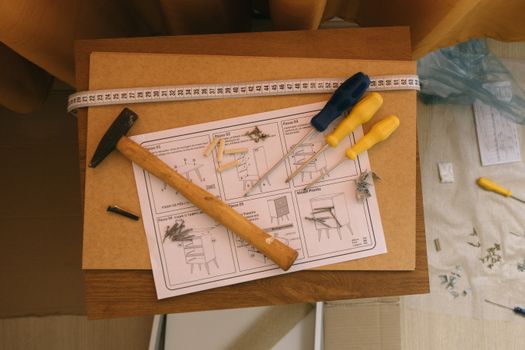
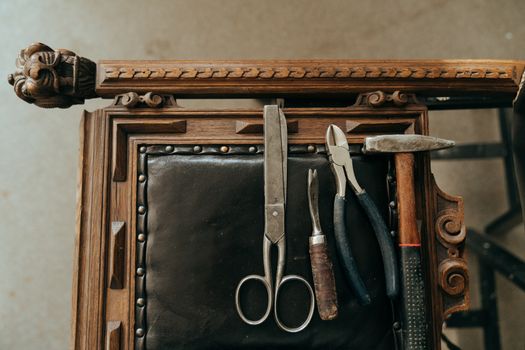
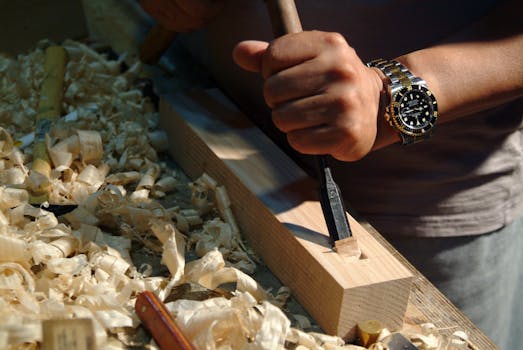
1. Measuring Tools: Precision is key in woodworking. A reliable tape measure (ideally 25 feet), a 12-inch combination square, and a marking gauge will ensure your cuts are accurate. According to Fine Woodworking magazine, even a 1/16-inch error in measuring can throw off an entire project. 2. Saws: The handsaw is a classic for good reason. For beginners, a crosscut saw (for cutting across the grain) and a rip saw (for cutting along the grain) are invaluable. Japanese pull saws are also gaining popularity for their precision and lighter weight. 3. Chisels: Sharp chisels are used for everything from shaping joints to cleaning up edges. A basic set should include 1/4", 1/2", and 1" widths. 4. Clamps: Clamps act as an extra set of hands. A beginner should have at least four 12-inch bar clamps and a pair of C-clamps. 5. Hammer & Mallet: A 16-ounce claw hammer is versatile for most tasks, while a wooden mallet is ideal for chisel work without damaging the tool’s handle.Investing in quality hand tools lays the groundwork for learning proper technique. For instance, woodworking educator Paul Sellers emphasizes that mastering hand tools develops the tactile skills and craftsmanship that underpin all future woodworking success.
.png)
Power Tools: Speed and Efficiency for Growing Skills
Once you’re comfortable with hand tools, you’ll likely want to add power tools to increase speed and expand your project range. But which ones are most beneficial for beginners?
1. Circular Saw: This versatile saw can make straight and beveled cuts in lumber, plywood, and more. According to a 2023 survey by Popular Woodworking, over 70% of DIY enthusiasts rated the circular saw as the most useful first power tool. 2. Power Drill: A corded or cordless drill is essential for making holes and driving screws. For most beginners, a cordless drill/driver kit with multiple bits will cover a wide range of tasks. 3. Random Orbital Sander: Achieving a smooth finish is much faster with power sanding. The random orbital sander is favored for its user-friendly design and reduced risk of leaving sanding marks. 4. Jigsaw: Ideal for cutting curves and intricate shapes, a jigsaw is lightweight and easy to control, making it perfect for detailed beginner projects.While there are many other power tools on the market, these four provide a solid foundation for nearly any beginner project, from building a bookshelf to crafting a simple coffee table.
Essential Accessories: Safety, Maintenance, and Workspace Setup
The right accessories not only support your tools but also protect you and your workspace. Here’s what every beginner should have:
1. Safety Equipment: Safety glasses, hearing protection, and a dust mask are non-negotiable. The U.S. Consumer Product Safety Commission reports over 400,000 woodworking-related injuries each year, many of which could be prevented with proper protection. 2. Sharpening System: Dull tools are dangerous and frustrating. A basic sharpening stone or honing guide keeps chisels and plane irons razor-sharp. 3. Workbench: You don’t need a fancy bench to start; a sturdy table or even a pair of sawhorses with a thick plywood top will suffice. Secure, stable work surfaces are essential for accurate and safe work. 4. Tool Storage: Keeping your tools organized prolongs their life and saves time. A simple toolbox or wall-mounted pegboard will help you stay efficient and prevent accidental injuries. 5. Lighting: Good lighting reduces mistakes and eye strain. LED shop lights or adjustable task lamps are affordable upgrades for home workshops.Investing in these accessories from the outset not only promotes safety but also ensures your tools remain in top condition, setting you up for years of enjoyable woodworking.
Comparing Tool Starter Kits: Value and Versatility
With so many options on the market, beginners often wonder whether to buy tools individually or invest in a starter kit. The table below compares three common approaches for assembling a beginner woodworking toolkit:
| Approach | Average Cost | Included Tools | Pros | Cons |
|---|---|---|---|---|
| Individual Selection | $300-$500 | Handpicked essentials (measuring tools, saws, chisels, drill, sander) | Tailored to your needs, higher quality possible | Requires research, may miss key items |
| Brand Starter Kit | $250-$400 | Set of matching power tools (drill, circular saw, sander, batteries) | Easy setup, tools are compatible | May lack hand tools, quality varies |
| Big Box Toolkit | $150-$300 | Assorted hand and power tools, accessories | Affordable, all-in-one convenience | Often lower quality, duplicates, or missing essentials |
As the table shows, individual selection may cost a bit more upfront but allows you to choose higher-quality tools that fit your specific needs. However, brand starter kits can simplify the buying process, while big box toolkits offer affordability at the expense of durability or completeness.
Expanding Your Toolkit: When and How to Upgrade
As your skills progress and your projects become more complex, you’ll naturally want to expand your toolkit. But upgrading too quickly can lead to clutter and wasted money. Here are some tips for thoughtful expansion:
1. Let Projects Guide You: Upgrade or add tools as specific project needs arise. For example, if you’re building frames, you might invest in a miter saw after struggling with angled cuts using a handsaw. 2. Buy Quality Over Quantity: Focus on reputable brands and read reviews. A 2022 Wood Magazine reader poll found that 68% of woodworkers wish they had bought better quality tools at the start to avoid replacements later. 3. Join Local Woodworking Groups: Many communities have clubs or co-ops where members share tools and advice, allowing you to try before you buy. 4. Consider Used Tools: Estate sales, auctions, and online marketplaces can yield quality tools at a fraction of new prices. Just be sure to inspect them for wear and safety. 5. Maintain Your Tools: Regular cleaning, oiling, and sharpening will extend the life of your investment and keep your woodworking experience enjoyable.Remember, the right tools are those that fit your needs, skill level, and workspace. There’s no need to rush; building your toolkit over time allows you to make informed decisions and avoid unnecessary expenses.
Building Confidence: Practice, Patience, and the Learning Curve
Having the right tools is only part of the equation. Success in woodworking also depends on practice, patience, and a willingness to learn from mistakes. Here are a few tips to help you maximize your early experiences:
1. Start with Simple Projects: Items like picture frames, small shelves, or birdhouses are ideal for honing basic skills and building confidence. 2. Learn Tool Care: Regularly clean, sharpen, and store your tools properly. This not only keeps them in working order but also teaches respect for your craft. 3. Seek Out Resources: Countless books, online tutorials, and community classes are available for beginners. Watching experienced woodworkers can accelerate your learning curve. 4. Embrace Mistakes: Even seasoned woodworkers make errors. Treat mistakes as learning opportunities and remember that woodworking is as much about the process as the finished product.According to a 2024 survey by the American Woodworkers Association, 82% of beginners who stuck with the hobby for at least a year cited ongoing learning and small, steady improvements as key factors in their satisfaction.
Final Thoughts on Essential Tools for a Woodworking Beginner
Building your first woodworking toolkit doesn’t have to be daunting or expensive. By focusing on high-quality basic hand tools, adding a few essential power tools, and investing in safety equipment and workspace organization, you’ll be well-prepared for a wide range of beginner projects. Remember to expand your collection thoughtfully and at your own pace, allowing your needs and interests to guide your purchases. With the right tools and a commitment to learning, you’ll find woodworking to be a deeply satisfying and creative pursuit.