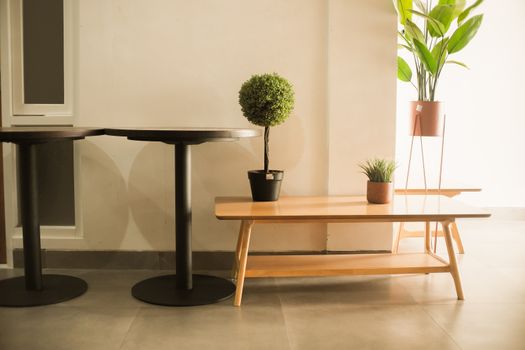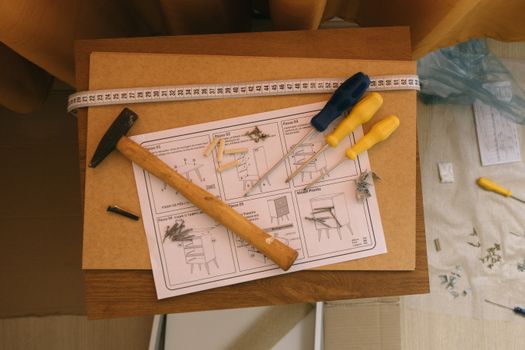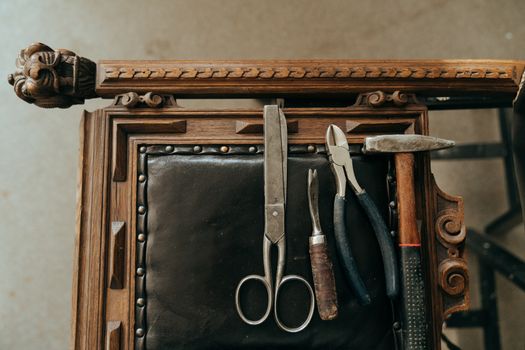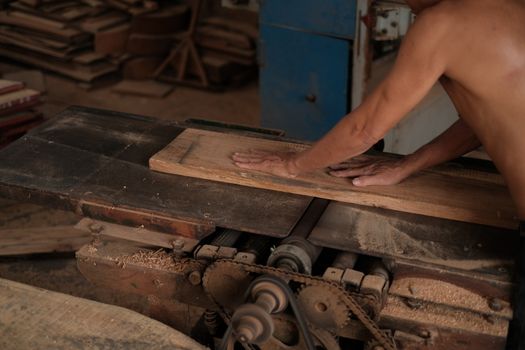
Bespoke wooden furniture is more than just functional homeware—it is a statement of individuality, craftsmanship, and sustainability. In a world increasingly saturated by mass-produced goods, the allure of custom-made wooden pieces continues to grow, offering homeowners and businesses the chance to own something truly unique. Whether you’re furnishing a modern apartment, a country home, or a boutique hotel, exploring the world of bespoke wooden furniture opens doors to creativity, history, and lasting value.
The Artistry Behind Bespoke Wooden Furniture
At the heart of bespoke wooden furniture is a deep commitment to artistry and craftsmanship. Unlike factory-made pieces that roll off assembly lines by the thousands, each bespoke item is designed and built by skilled artisans who pour hours—sometimes days or weeks—into every detail.
This approach means every curve, joint, and finish is chosen with intention. For instance, a commissioned walnut dining table might feature hand-carved legs inspired by early 19th-century designs, or a minimalist oak sideboard could be constructed using time-honored mortise and tenon joinery. According to a 2022 survey by the British Furniture Manufacturers Association, nearly 75% of clients who ordered bespoke wooden furniture cited “superior craftsmanship” as their top reason for choosing custom over ready-made.
.png)
The bespoke process usually starts with a consultation, where clients discuss their needs, style preferences, and intended use. Craftsmen then select the appropriate wood species, often allowing clients to view and even touch sample timbers. The result is a piece that reflects both the maker’s skill and the client’s personality—a true collaboration between artisan and owner.
Personalization: From Concept to Completion
One of the greatest appeals of bespoke wooden furniture is its limitless potential for personalization. Unlike standard furniture, where choices are limited to a handful of finishes or dimensions, bespoke options are only bound by the imagination.
Clients can specify every aspect, including:
- Dimensions perfectly tailored to a space - Custom finishes, stains, or paint colors - Unique hardware, inlays, or decorative features - Integrated technology such as wireless charging or lighting - Wood selection based on grain, color, or sustainability credentialsFor example, a family with young children might request rounded corners for safety, a homeowner in a compact city apartment could commission a multi-functional bench with hidden storage, and a business owner might require desks with cable management features. In a 2021 Houzz survey, 62% of respondents who purchased bespoke furniture did so to solve a specific space or lifestyle challenge that off-the-shelf options could not address.
Personalization also extends to the story of the wood itself. Many bespoke furniture makers offer clients the option to use reclaimed timber from historic buildings or locally sourced wood, infusing the piece with added meaning and provenance.
Sustainability and Ethical Sourcing in Custom Furniture
In today’s eco-conscious world, sustainability is a driving force for many people seeking bespoke wooden furniture. Mass-market furniture often relies on fast-growing, inexpensive woods or composite materials, sometimes sourced from unsustainable or even illegal logging operations. In contrast, bespoke makers often prioritize ethical sourcing, transparency, and longevity.
Many artisans use FSC-certified (Forest Stewardship Council) timber, ensuring the wood comes from responsibly managed forests. Some also specialize in reclaimed or salvaged wood, giving new life to materials that might otherwise end up as waste. According to the Environmental Investigation Agency, using reclaimed wood can reduce the carbon footprint of a piece by as much as 50% compared to newly harvested timber.
Additionally, the slow, careful production methods associated with bespoke craftsmanship generate less waste and pollution than high-volume manufacturing. Custom furniture is designed to last for generations, reducing the environmental impact associated with frequent replacements. The longevity and repairability of bespoke pieces are core aspects of a circular economy, helping to minimize overall resource consumption.
Comparing Bespoke Wooden Furniture to Mass-Produced Options
Choosing between bespoke and mass-produced furniture involves weighing several factors: cost, uniqueness, durability, and environmental impact. The table below summarizes these key differences:
| Aspect | Bespoke Wooden Furniture | Mass-Produced Furniture |
|---|---|---|
| Uniqueness | One-of-a-kind, tailored to client | Identical, produced in large quantities |
| Materials | High-quality, often sustainably sourced or reclaimed | Varies; often engineered wood, veneers, or composites |
| Durability | Designed for longevity; repairable | Varies; often not intended for long-term use |
| Cost | Higher initial investment | Lower upfront cost |
| Environmental Impact | Lower; sustainable practices possible | Can be high due to waste and short lifespan |
| Production Time | 4-12 weeks on average | Ready to ship |
While bespoke pieces require more time and money upfront, they often become cherished heirlooms, passed down through generations. In contrast, mass-produced furniture, while convenient and affordable, is more likely to be replaced within 5-10 years, contributing to landfill waste.
The Emotional Value of Handcrafted Wooden Pieces
Beyond the tangible benefits of durability and customization, bespoke wooden furniture carries a unique emotional value. Each piece tells a story—not just of the artisan who made it, but of the client’s vision and the space it inhabits.
For many, commissioning a bespoke item is a significant, joyful milestone: a dining table that gathers a growing family, a writing desk for a home office, or a display cabinet for treasured heirlooms. These pieces often become focal points in a home, imbued with memories and meaning that mass-produced furnishings rarely match.
A study by the University of Exeter in 2020 found that 81% of people felt a stronger emotional connection to custom furniture compared to ready-made alternatives. This connection can foster a sense of pride and stewardship, encouraging owners to care for their furniture and repair it rather than discard it.
How to Commission Bespoke Wooden Furniture: Key Steps
If you’re considering investing in bespoke wooden furniture, the commissioning process is an experience in itself. Here’s what to expect:
1. Research and Select a Maker: Look for local artisans or workshops with portfolios that match your style. Recommendations, online reviews, and visits to studios can help narrow your search. 2. Initial Consultation: This is your opportunity to discuss ideas, inspirations, and practical requirements. Bring photos, sketches, or even objects that reflect your vision. 3. Design Development: The maker will create drawings or 3D models, refine measurements, and select materials. This stage may include wood samples and finish tests. 4. Quotation and Timeline: You’ll receive a detailed cost estimate and an expected completion date. For complex projects, a deposit may be required. 5. Production: Once the design is approved, production begins. Many makers share progress updates, photos, or even invite clients to visit the workshop. 6. Delivery and Installation: The final piece is delivered and, if necessary, installed by the maker. Aftercare advice is often provided to ensure your piece lasts for generations.By engaging in each step, clients not only receive a functional piece of furniture but also participate in a creative process that is both rewarding and memorable.
Preserving Tradition and Supporting Local Economies
Bespoke wooden furniture is more than a trend—it plays a vital role in preserving traditional skills and supporting local economies. Many small workshops and independent artisans rely on commissions to sustain their craft, often passing down knowledge through apprenticeships and family businesses.
According to a 2023 report by the UK Crafts Council, the bespoke furniture sector contributes over £330 million annually to the British economy and supports more than 8,000 skilled jobs. By choosing bespoke, clients help ensure that woodworking traditions—some dating back centuries—continue to thrive in a modern world.
Moreover, working with local makers reduces transportation emissions and allows for greater oversight of sourcing and production practices. This local approach fosters community pride and resilience, keeping valuable skills alive for future generations.
Final Reflections: The Enduring Appeal of Bespoke Wooden Furniture
In an era dominated by convenience and uniformity, bespoke wooden furniture stands as a testament to individuality, craftsmanship, and sustainability. Each piece is a celebration of natural beauty, human ingenuity, and meaningful connection—between maker, client, and the living spaces we cherish.
Whether you’re seeking a statement piece or a subtle solution to a design challenge, exploring the world of bespoke wooden furniture is an investment in quality and story. It’s a way to make your mark on your environment while supporting traditions that enrich our culture and planet.