Woodworking is a rewarding craft, blending creativity with precision engineering. But as any seasoned woodworker will tell you, the beauty of a finished project is matched only by the importance of safety in the workshop. With thousands of injuries reported each year, knowing how to safely operate woodworking machinery isn’t just a good idea—it’s essential. Whether you’re a hobbyist or a professional, understanding the principles and practices that keep you safe can mean the difference between a successful project and a trip to the emergency room. Let’s take a comprehensive look at the strategies, procedures, and modern tools that ensure your woodworking experience remains both productive and secure.
The Fundamentals of Woodworking Machinery Safety
Before you flip any switches or make your first cut, it’s crucial to understand the foundational rules that govern safe machinery operation. According to the U.S. Consumer Product Safety Commission, over 54,000 people visit emergency rooms annually due to woodworking tool accidents. Many of these incidents are preventable with proper knowledge and preparation.
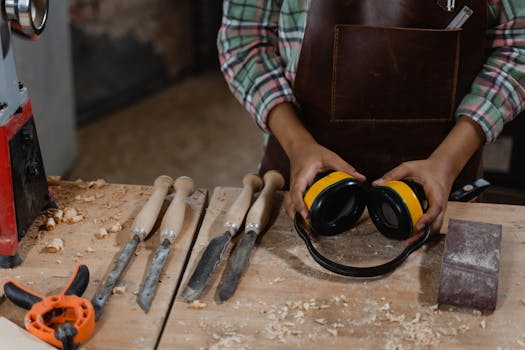
Personal Protective Equipment (PPE) is non-negotiable. At a minimum, always wear safety goggles to shield your eyes from flying debris and a dust mask to avoid inhaling fine particulates. For machines that generate high noise levels—such as planers or routers—hearing protection is also recommended, as prolonged exposure to sounds above 85 decibels can cause permanent hearing loss over time.
.png)
Another fundamental is workspace organization. Keep your area clean and free of clutter, as stray offcuts or tools can become tripping hazards. Ensure all machinery is positioned with adequate clearance on all sides, allowing you to move freely and respond quickly if necessary.
Lastly, always read the manufacturer’s manual before operating any new equipment. Each machine has unique features and safety recommendations, and even experienced woodworkers can overlook critical details.
Understanding Common Woodworking Machines and Their Risks
Woodworking shops are home to a variety of machines, each designed for specific tasks but carrying unique hazards. Recognizing these differences is key to safe operation.
Table saws, for example, are the most commonly used and also the most dangerous. Their exposed spinning blades can cause severe lacerations or amputations in a fraction of a second. According to the National Consumers League, table saws are responsible for approximately 30,000 injuries annually in the United States.
Bandsaws, while less likely to cause kickback than table saws, can still inflict serious harm through accidental contact with the blade. Jointers and planers present dangers in the form of rotating cutterheads, which can pull material—and fingers—into the machine if not handled properly.
Drill presses and routers pose risks of entanglement or flying debris. Even smaller tools, like miter saws or sanders, can cause harm if safety protocols are ignored.
To compare the risk and safety features of common woodworking machines, see the table below:
| Machine | Primary Hazard | Annual U.S. Injuries (Est.) | Key Safety Feature |
|---|---|---|---|
| Table Saw | Lacerations, kickback | 30,000 | Blade guard, riving knife, push sticks |
| Bandsaw | Blade contact | 6,000 | Blade guard, push blocks |
| Planer | Cutterhead contact, ejection | 2,500 | Cutterhead guard, infeed/outfeed tables |
| Router | Kickback, flying debris | 4,000 | Guard, dust collection |
| Drill Press | Entanglement, ejection | 1,200 | Chuck guards, clamps |
Understanding the specific risks associated with each machine enables you to prepare for and prevent the most common types of accidents.
Setting Up Your Workshop for Maximum Safety
A safe workshop doesn’t happen by accident—it’s the result of intentional planning and regular maintenance. Start by ensuring all machines are securely anchored to prevent movement during operation. Floors should be non-slip and clear of sawdust, as a slip at the wrong moment can lead directly to injury.
Lighting is critical. Proper illumination—ideally 1,000 lux or more at the work surface—helps you see clearly, reducing the risk of errors. If possible, supplement overhead lighting with task lights positioned over each machine.
Electrical safety is another priority. Make sure all machines are plugged into grounded outlets equipped with circuit breakers or residual current devices (RCDs). Damaged cords or overloaded outlets are a leading cause of workshop fires.
Dust collection systems are not just about cleanliness; they also protect your lungs. Fine wood dust is a known respiratory hazard and can contribute to long-term health problems such as asthma or chronic bronchitis. According to OSHA, the permissible exposure limit for wood dust is 5 mg/m³ over an 8-hour period. Invest in a shop vacuum or centralized dust collector, and always turn it on before starting any cutting or sanding operation.
Finally, keep first aid supplies easily accessible and ensure everyone in your shop knows basic emergency procedures, including how to quickly shut off power to all machines.
Safe Operating Procedures: Before, During, and After Use
Safety extends beyond just knowing the risks—it’s about developing habits that protect you every time you use a machine. Here’s how to approach each phase of operation:
Before Use: - Inspect the machine for damage or loose parts. - Check that all guards are in place and functioning. - Remove jewelry, tie back long hair, and avoid loose clothing. - Set up push sticks, featherboards, or other aids as required. During Use: - Keep both hands clear of blades and moving parts. - Never reach over or behind the cutting area while the machine is running. - Feed material at a steady, controlled rate—rushing can cause kickback or binding. - Maintain a balanced stance and stay focused; distractions are a leading cause of accidents. After Use: - Turn off the machine and wait for all moving parts to come to a complete stop before clearing scraps. - Disconnect power when changing blades or making adjustments. - Clean the area and remove dust buildup from machine surfaces.One often-overlooked aspect of safety is fatigue. Studies have shown that injury rates increase significantly after six consecutive hours of work. Take regular breaks, and never operate machinery if you’re overly tired or impaired.
Modern Innovations Improving Woodworking Safety
Advances in technology have made modern woodworking machines safer than ever before. One notable example is the SawStop table saw, which features a safety system that can detect contact with skin and stop the blade in less than 5 milliseconds—reducing even the most severe injuries to minor nicks. Since its introduction in 2004, SawStop claims to have prevented thousands of amputations.
Many newer machines are equipped with magnetic switches that prevent accidental restarts after a power outage. Others offer digital readouts for precise adjustments, minimizing the need for hands near moving parts.
Personal protective gear is also evolving. Respirators with HEPA filters, anti-fog safety glasses, and even smart hearing protection that automatically adjusts volume based on ambient noise levels are now widely available.
Workshops can further leverage technology through mobile apps that track maintenance schedules, safety checks, and even provide real-time alerts for potential hazards.
Building a Safety-First Culture in the Workshop
Safe operation of woodworking machinery is not just about individual actions—it’s about fostering a culture where safety is everyone’s responsibility. In professional settings, this means regular training sessions, posted safety rules, and a clear system for reporting and correcting hazards.
Even in home workshops, sharing safety tips with family members or guests can prevent accidents. Encourage an environment where double-checking setups and asking questions is welcomed, not seen as a nuisance.
A 2019 survey by the Woodworking Machinery Industry Association found that shops with regular safety meetings had 40% fewer accidents than those without. Simple reminders, visual checklists, and ongoing education all contribute to keeping safety top of mind.
Final Thoughts on Operating Woodworking Machinery Safely
Woodworking is a craft that rewards patience, precision, and respect for the tools at hand. By understanding the risks, setting up a safe environment, and following proven procedures, you can enjoy years of creative productivity without incident. Remember, accidents don’t happen because machines are inherently dangerous—they occur when caution is replaced by complacency. Make safety a habit, and every project will be both successful and injury-free.