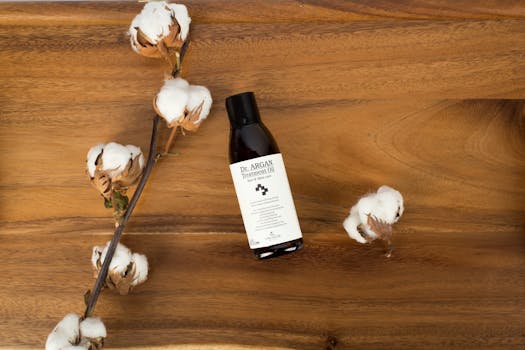
Choosing the perfect wood stain for your project is essential for enhancing the appearance and durability of the wood. Whether you're tackling a DIY project or you're a seasoned woodworker, knowing what factors to consider can help you select the best wood stain for your needs. Here’s a comprehensive guide to help you make an informed choice.
Type of Wood
Different types of wood react differently to stain. Softwoods like pine and cedar are prone to absorbing stain unevenly, often resulting in a blotchy finish. Hardwoods such as oak and walnut, on the other hand, tend to absorb stains more uniformly. Understanding the absorption characteristics of the wood you're working with can guide you in choosing the right stain type or applying a pre-stain conditioner to ensure an even finish.
.png)
Color and Opacity
Wood stains are available in a wide range of colors and opacities, from light hues to dark tones, and from transparent to solid. Selecting a color should complement the natural beauty of the wood and match the overall design aesthetic of the area where the wood will be featured. Transparent stains are excellent for highlighting the natural grain and beauty of the wood, whereas solid stains provide a more consistent color and can mask the wood's natural grain. Consider the end appearance you aim to achieve and how it will integrate with the environment.
Durability and Protection
Beyond aesthetics, stains also serve to protect the wood. Various stains offer different levels of protection against environmental elements such as UV rays, moisture, and general wear and tear. For outdoor projects, opt for stains specifically designed to withstand weather and UV degradation. For indoor projects, consider stains that offer resistance to scratches and general wear, particularly in high-traffic areas.
Application Method
The application technique can influence both the process and the outcome of your project. Stains can be applied using brushes, rollers, or cloths, each with its own set of advantages and disadvantages. Brushes can reach into intricate areas and are ideal for detailed work, although they may leave marks. Rollers can cover large surfaces quickly but may not be suitable for detailed patterns. Cloths, while more labor-intensive, can achieve a smooth, hand-rubbed look. Choose an application method that suits your skill level and the specifics of your project.
Drying and Curing Time
Consider the drying and curing times of different stains, as these will affect your project timeline. Oil-based stains typically have longer drying periods but offer a durable, water-resistant finish. Water-based stains dry quicker and emit less odor, making them ideal for indoor applications. Always check the manufacturer’s guidelines for recommended drying times to ensure proper planning and avoid delays.
Environmental and Health Considerations
The chemical composition of stains can impact both your health and the environment. Traditional oil-based stains release volatile organic compounds (VOCs), which can be harmful to inhale. If you're concerned about indoor air quality or environmental impact, look for water-based or low-VOC stains, which are less harmful and increasingly popular due to their minimal environmental footprint.
Budget
Finally, consider your budget. The cost of wood stains varies significantly based on brand, type, and quality. While it may be tempting to choose a less expensive option, investing in a high-quality stain can enhance the longevity and appearance of your woodwork, potentially saving you money on future maintenance and refinishing.
By carefully evaluating the type of wood, desired color and opacity, durability, application method, drying time, environmental impact, and budget, you can select a wood stain that not only looks beautiful but also performs excellently under the conditions it will face. Happy staining!