The Evolution of Woodworking: A Journey Through Time
Woodworking is one of humanity’s oldest crafts, entwined with our very development as a species. From the first stone-age axes chipping at fallen branches to the precision of today’s CNC routers, woodworking’s evolution mirrors the progress of civilization itself. It’s a journey spanning tens of thousands of years, bridging the gap between survival and art, necessity and innovation. This article will guide you through the fascinating timeline of woodworking, exploring how tools, techniques, and technology have transformed this enduring craft.
From Stone Age Tools to Early Civilizations
The story of woodworking begins in the depths of prehistory. Archaeological findings suggest that as early as 400,000 years ago, Homo erectus was shaping wooden spears using sharpened stones. One of the oldest preserved examples is the Schöningen spears, found in Germany and dating back about 300,000 years. These discoveries highlight the essential role of woodworking in early survival—crafting tools, shelters, and weapons.
As humanity transitioned from nomadic hunter-gatherers to settled agricultural societies around 10,000 BCE, woodworking advanced significantly. The Neolithic Revolution brought new tools: polished stone adzes, chisels, and saws, making it easier to shape wood for homes, storage, and transportation. By 3000 BCE, the ancient Egyptians were using copper saws, mortise and tenon joints, and even veneers in furniture and coffins. Egyptian carpenters left behind intricate wooden artifacts and hieroglyphics depicting their craft.
.png)
In Mesopotamia and later in Greece and Rome, woodworking extended to monumental architecture. The Greeks developed the lathe—the first machine tool—by 1300 BCE, allowing for symmetrical wooden objects like columns and bowls. Romans refined joinery and introduced wood-turning for furniture and chariots. By the end of the ancient era, woodworking was both a practical necessity and a respected art.
The Middle Ages: Craftsmanship, Guilds, and Gothic Glory
The collapse of the Roman Empire shifted woodworking centers to monasteries and rural communities. The early Middle Ages saw woodworkers creating everything from carts and barrels to timber-framed buildings. However, it was during the high Middle Ages (1000–1500 CE) that woodworking flourished in Europe.
This period saw the rise of guilds—formal associations regulating training, quality, and secrets of the craft. The Worshipful Company of Carpenters, founded in London in 1271, is one of the oldest known woodworking guilds. These organizations standardized techniques and fostered innovation.
Gothic cathedrals stand as a testament to medieval woodworking prowess. Massive oak beams formed the skeletons of iconic structures like Notre-Dame de Paris. Decorative woodcarving flourished, with intricate choir stalls, altarpieces, and doors. By the 15th century, the invention of the frame saw and improvements in hand tools enabled even greater precision.
The Renaissance and Enlightenment: Innovation and the Rise of Fine Furniture
The Renaissance (14th–17th centuries) sparked a revolution in art, science, and woodworking. Improved metallurgy led to stronger, sharper steel tools. The proliferation of printed books, such as Joseph Moxon’s “Mechanick Exercises” (1678), allowed woodworking knowledge to spread rapidly.
Furniture making became a highly respected art. Italian and French craftsmen produced ornate cabinets, marquetry, and parquetry, using contrasting woods and inlays. The Baroque and Rococo styles favored elaborate curves, gilding, and intricate ornamentation. English furniture designers like Thomas Chippendale and Thomas Sheraton (18th century) set trends that are still emulated today.
Tool innovation kept pace. The first spring-powered lathes and foot-powered treadle saws appeared, improving efficiency. The Industrial Revolution (late 18th to 19th centuries) brought mass-produced nails, screws, and standardized parts, making furniture more affordable.
Industrial Revolution: Mechanization and Mass Production
The 19th century transformed woodworking from a manual craft to an industrial process. Steam engines powered sawmills, multiplying production speed. The circular saw, invented in the late 18th century but popularized by the 1800s, revolutionized lumber processing. By 1848, the first patent for a band saw was granted in the United States, further streamlining cutting.
This era also saw the birth of woodworking machinery—planers, lathes, routers, and jointers—that could shape wood with unprecedented accuracy. Factories in the United States and Europe began producing everything from doors to furniture at scale. The Singer Sewing Machine Company, for example, made over 2 million wooden sewing machine cabinets annually by 1885.
However, the mechanization of woodworking had a double impact. While it democratized access to wooden goods, it also threatened traditional handcraftsmanship. Some artisan traditions were lost, while others adapted and specialized.
Modern Era and Digital Revolution: Technology Meets Tradition
The 20th and 21st centuries have seen woodworking embrace both nostalgia and innovation. Power tools—such as electric drills, jigsaws, and sanders—became common in the mid-20th century, making advanced woodworking accessible to hobbyists. According to Statista, the global power tools market was valued at $32.3 billion in 2022, reflecting widespread adoption in woodworking and construction.
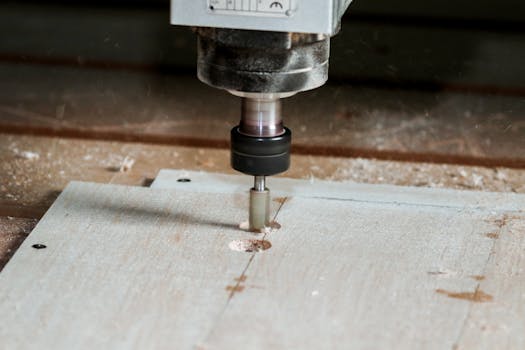
Perhaps the most dramatic change has come from computer technology. Computer Numerical Control (CNC) routers and laser cutters allow for precision and repeatability unimaginable a century ago. Modern CNC routers can carve intricate designs in minutes that once took hours by hand. The rise of 3D modeling software has let designers experiment with complex joinery and organic shapes.
Despite technological leaps, there’s a renewed appreciation for handcraft. The “maker movement” and platforms like YouTube have revived interest in traditional woodworking techniques. Today, woodworking blends old and new—a hobby, a profession, and a living link to humanity’s creative roots.
Woodworking Techniques Through the Ages: A Comparison
To better understand the evolution of woodworking, let’s compare key tools, techniques, and materials from different eras.
| Era | Key Tools | Main Techniques | Signature Materials | Example Artifacts |
|---|---|---|---|---|
| Prehistoric | Stone axes, adzes | Carving, splitting | Local hardwoods | Spears, shelters |
| Ancient Civilizations | Copper/bronze saws, chisels | Joinery, veneering | Cedar, oak, ebony | Egyptian furniture, Greek lathes |
| Middle Ages | Iron saws, planes, augers | Mortise and tenon, carving | Oak, walnut | Gothic cathedral beams, choir stalls |
| Renaissance/Enlightenment | Steel tools, lathes, frame saws | Marquetry, turning, dovetail joints | Mahogany, rosewood, boxwood | Chippendale furniture, parquetry floors |
| Industrial Revolution | Steam/circular saws, planers, routers | Mass production, standardization | Pine, oak, plywood | Factory-made furniture, cabinets |
| Modern Era | Power tools, CNC routers, laser cutters | Digital design, hybrid joinery | Engineered wood, exotic species | Custom cabinets, artistic woodwork |
Woodworking’s Impact on Society and Culture
More than just a technical craft, woodworking has shaped societies and cultures across the globe. In Japan, the tradition of joinery (tsugite) developed over centuries, producing temples and shrines without a single nail. The famous Hōryū-ji temple, built in 607 CE, is one of the world’s oldest wooden structures, demonstrating the durability of expert carpentry.
Scandinavian countries, rich in forests, became known for their minimalist yet functional wooden furniture—an aesthetic that influenced the entire world during the 20th century. In the United States, the Shaker community’s simple, utilitarian designs inspired mass-produced furniture styles.
Woodworking has also been central to economies. In the 19th century, American sawmills processed over 35 billion board feet of lumber annually, fueling westward expansion, housing, and industry. Today, over 3 million Americans work in the woodworking and furniture industries, according to the U.S. Bureau of Labor Statistics.
Woodworking in the 21st Century: Sustainability and the Future
As society becomes more conscious of environmental impact, woodworking is adapting to new realities. Deforestation and habitat loss have prompted shifts toward sustainable forestry. Certification programs like the Forest Stewardship Council (FSC) ensure that wood products come from responsibly managed forests.
Engineered woods, such as cross-laminated timber (CLT) and medium-density fiberboard (MDF), are gaining popularity for their efficiency and reduced environmental footprint. CLT, for example, has made it possible to construct wooden skyscrapers—Mjøstårnet in Norway stands 85.4 meters tall and is the tallest timber building in the world as of 2023.
The future of woodworking likely lies at the intersection of tradition and innovation: digital fabrication, sustainable materials, and a renewed emphasis on craftsmanship. Whether you’re admiring a centuries-old church door or a digitally carved sculpture, you’re witnessing the results of a craft as old as humanity itself—still evolving, still vital.
Conclusion
Woodworking’s journey from stone-age necessity to digital-age artistry is a testament to human creativity and adaptability. Each era has brought new tools, techniques, and styles, reflecting the values and technologies of its time. Today, woodworking connects us to our roots while pushing the boundaries of design and sustainability. Whether practiced as a profession or a passion, woodworking continues to shape our lives, our homes, and our cultures—one piece of wood at a time.